I recall walking to the cricket club with the two kids in tow and wondering how this experience would be for them. Having enrolled them into the Junior Blasters program I was quite excited.
But I must admit I was also nervous. Nervous because growing up I didn’t know many females who loved watching cricket let alone playing it. My childhood flashed before my eyes. I used to go to the MCG with my parents at a time when Indian supporters were numbered in the handfuls and feeling a little out of place. And I recall it being a very male dominated sport and atmosphere.
I looked at my 6 year old daughter who is normally shy and thought, “It needs to be a different world now.” I was also very curious to see how she would take to it. Was organised sports going to be the activity for her to come out of her shell?
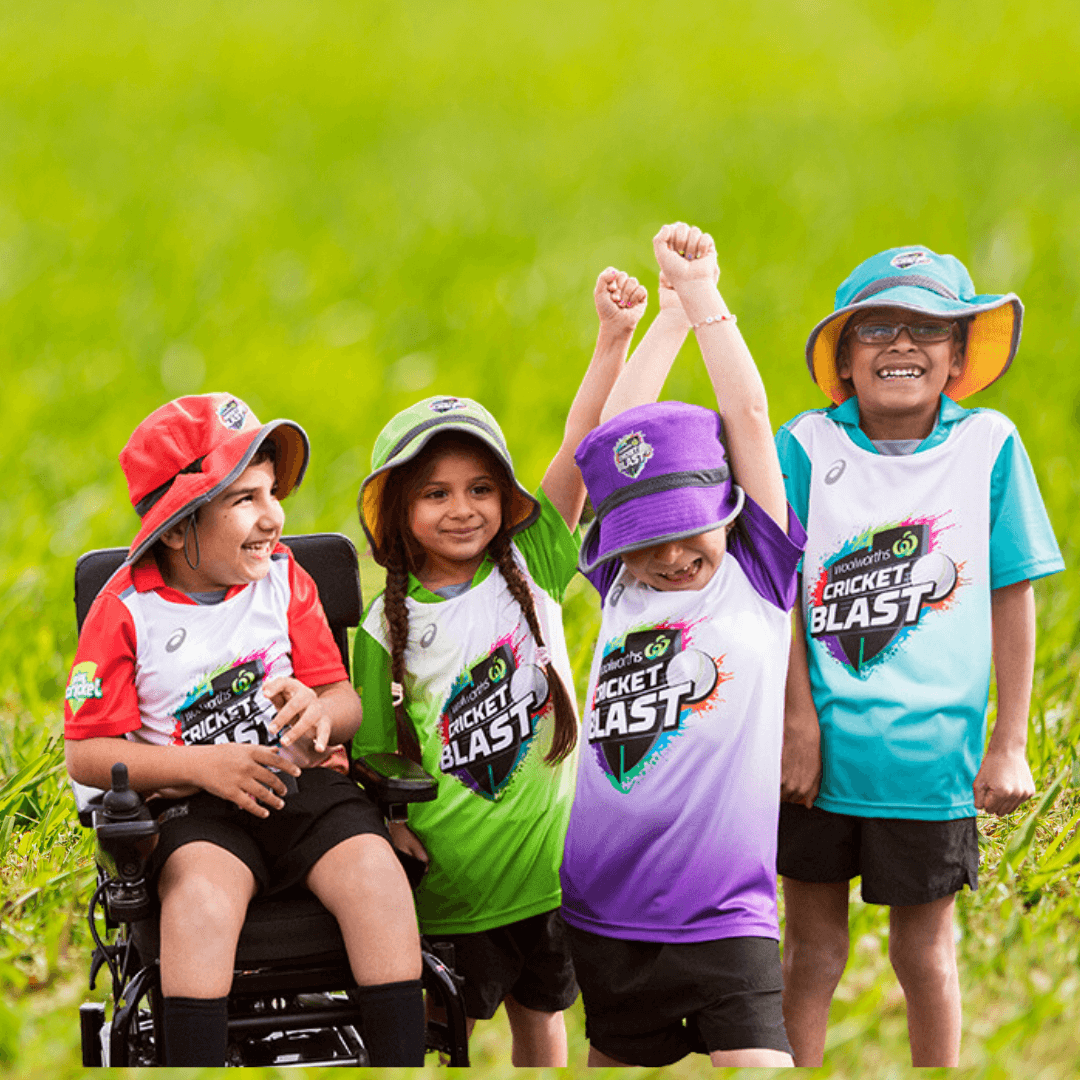
As she started, her first question was “Why are there so many boys and only two girls?”
Pondering that myself, I said, “Good question, I am not sure - how about we give it a go and see how you like it?.”
As the activities started my husband and I left ourselves open to see how our 6 year old daughter and our 3 year old son would go. I set no expectations on them; I just wanted them to enjoy it and have fun. Yet as time went by the experience became a little more than just that. My usually reserved daughter was taking the lead, telling her peers to move back with hand gestures as they were fielding.
She was focused on learning and getting better each session. Something motivated her to keep giving it her best.
She was proud when we got home, and I just couldn’t shake the smile off my face. I am sure many parents can relate to taking young children to try different activities and the ups and downs that come with it. Not knowing how it would all go. This moment opened me up to the positive impacts of children doing the right activity for them.
In contrast to the pressure I felt of introducing my kids to a new sport, and all the tumultuous stories I’ve heard, this first evening felt like a breath of fresh air.
As the weekly sessions progressed, I observed my daughter gain more confidence in her abilities. She wanted to practice batting and bowling throughout the week at home. I saw my son really enjoying bowling and practising his set up positions.
This observation continued to many kids across all sports – my nephew at his cricket academy, a friend’s child at soccer and many other children I see at various sporting events.
I observed the same progression in every single child. Slowly and slowly building their confidence to just take that extra risk of putting themselves out there and learning a skill that is new to them. Learning to think on the spot in a new environment with the support of a team.
If I had to sum up the experience, self-confidence is the right word that comes to mind.
Self-confidence is needed, especially at an early age. It can help in all aspects of life. I have seen young children who struggle to make new friends at school, but it is their weekly team sports that gives them the boost to keep trying. I was grateful that my daughter and other children were able to find this opportunity.
Creating non gender-biased opportunities
While confidence-building is an aspect of children’s sporting activity, the other key aspects are making sure those activities are intentionally inclusive and non-biased.
To dive deeper, I spoke with former AFLW player, sports PHD and Female Coaches Association Founder Aish Ravi. She talked to me about her data-driven insights in this area.

Female Coaches Association Founder Dr Aish Ravi
“Research shows that there is a bias against women’s participation in sports. Unconscious bias, systemically developed in their psyche. And often parents are unaware of it. Research shows young girls drop-off from sports around 14 or 16 and often they drop off as academic success is put over others.”
Growing up in India and moving to Australia at the age of 10, I saw firsthand that sports could be given less importance. Even when I came to Australia, sports outside of school didn’t have much of an emphasis.
As a parent now, I can see things have changed. As parents, we should give, allow, and encourage our children to try different activities without any influence stemming from their gender.
As Aish Ravi suggested, this impacts girls significantly, but having a son I can see that it also affects boys just as much.
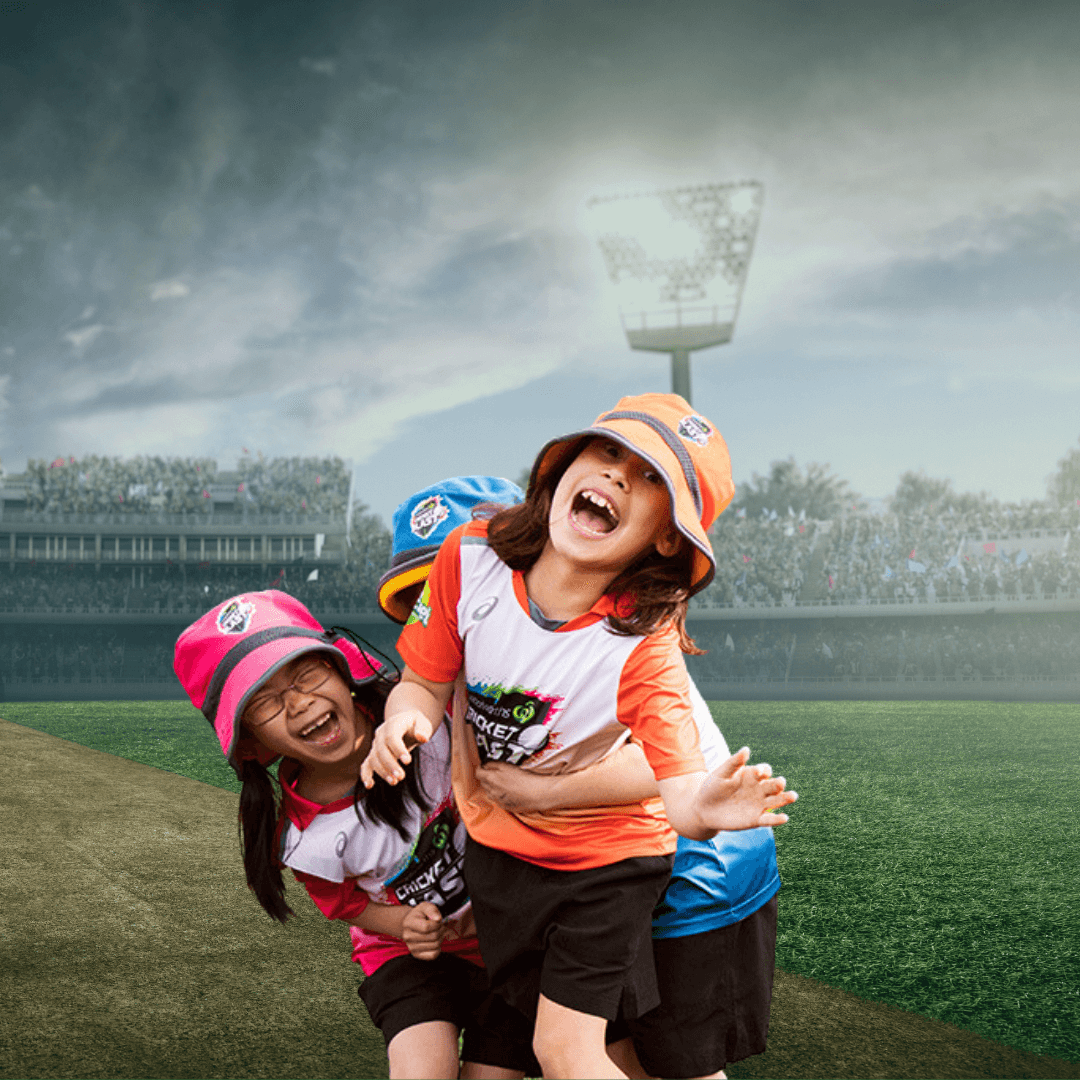
It affirms for me the idea that we as parents should be working towards a society that supports and accepts children’s choices, and then nurtures those choices through positive experiences.
This concept of lifting and honouring the views of children has support at a much bigger international level.
The UN Convention on the Rights of the Child article 13 says that we should allow children to have freedom of expression, meaning a child’s choice. The article mentions art as an example but I think it applies just as much to sports. I know 8 year old boys that would love to be part of an art and crafts class, or be part of a book writing class. I also know 8 year old girls who want to do nothing else but play basketball.
This brings me back to my childhood in Australia, where I played volleyball for my school and socially at recess and lunch I played basketball. I could only ever find one other girl to come play basketball with me in a team full of boys. I also loved playing cricket socially (in the cul-de-sac we lived in or at random family picnics). I loved to bat.
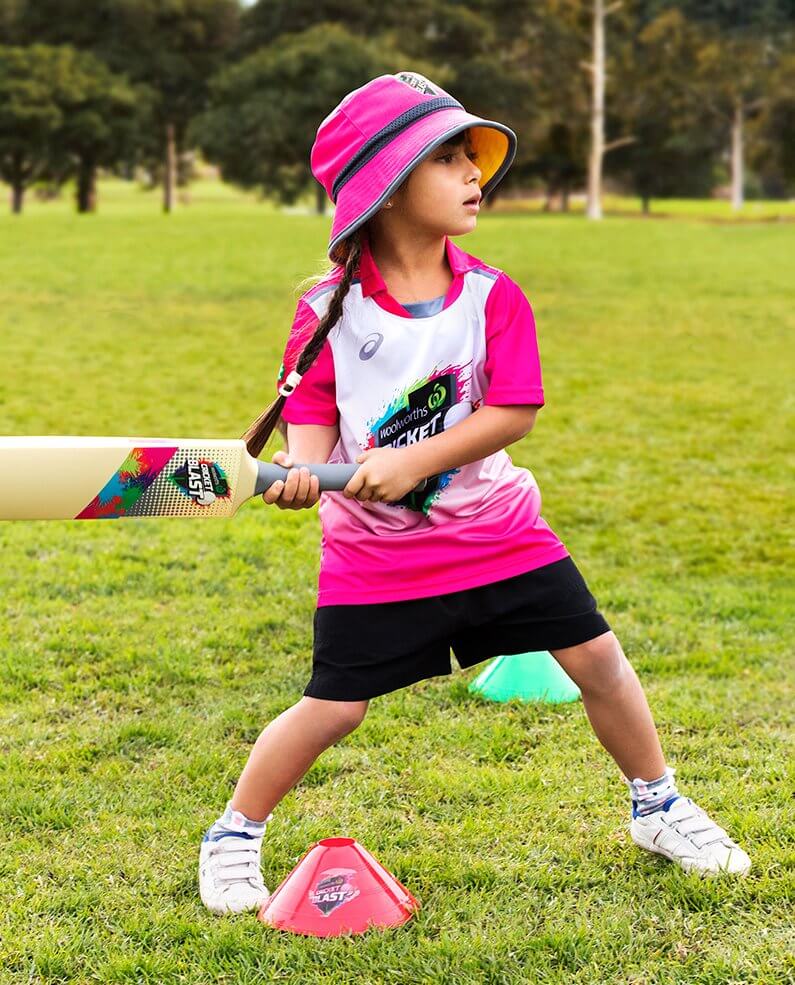
I often wonder how my innings would have felt had I played them on an oval as part of an official team. I also wonder the impact this would have had on my own self confidence as a child if I took that step to give playing club cricket a real try.
Research and ensure the environment is supportive for your child
Aish Ravi says that parents’ role in children’s development through sports is important because it impacts where children end up in the future.
Speaking to a friend recently, I learned that they had changed their son’s soccer club to a more grass roots one. The one their son was initially enrolled at focused heavily on segregating the strong players from the weaker ones. An environment that did not suit their son.
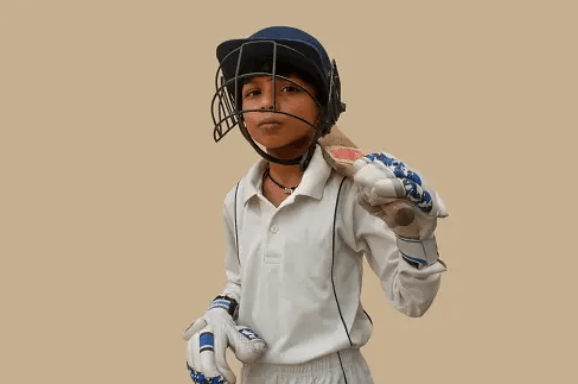
Aish Ravi expands on this point by encouraging parents to take responsibility in doing their own research, ensuring the environment works and is supportive for their child.
“Parents need to understand what is best practice when it comes to sporting clubs - as some clubs are good and some are not. They should ensure they are not guiding their kids in an environment that is not nurturing for their child.”
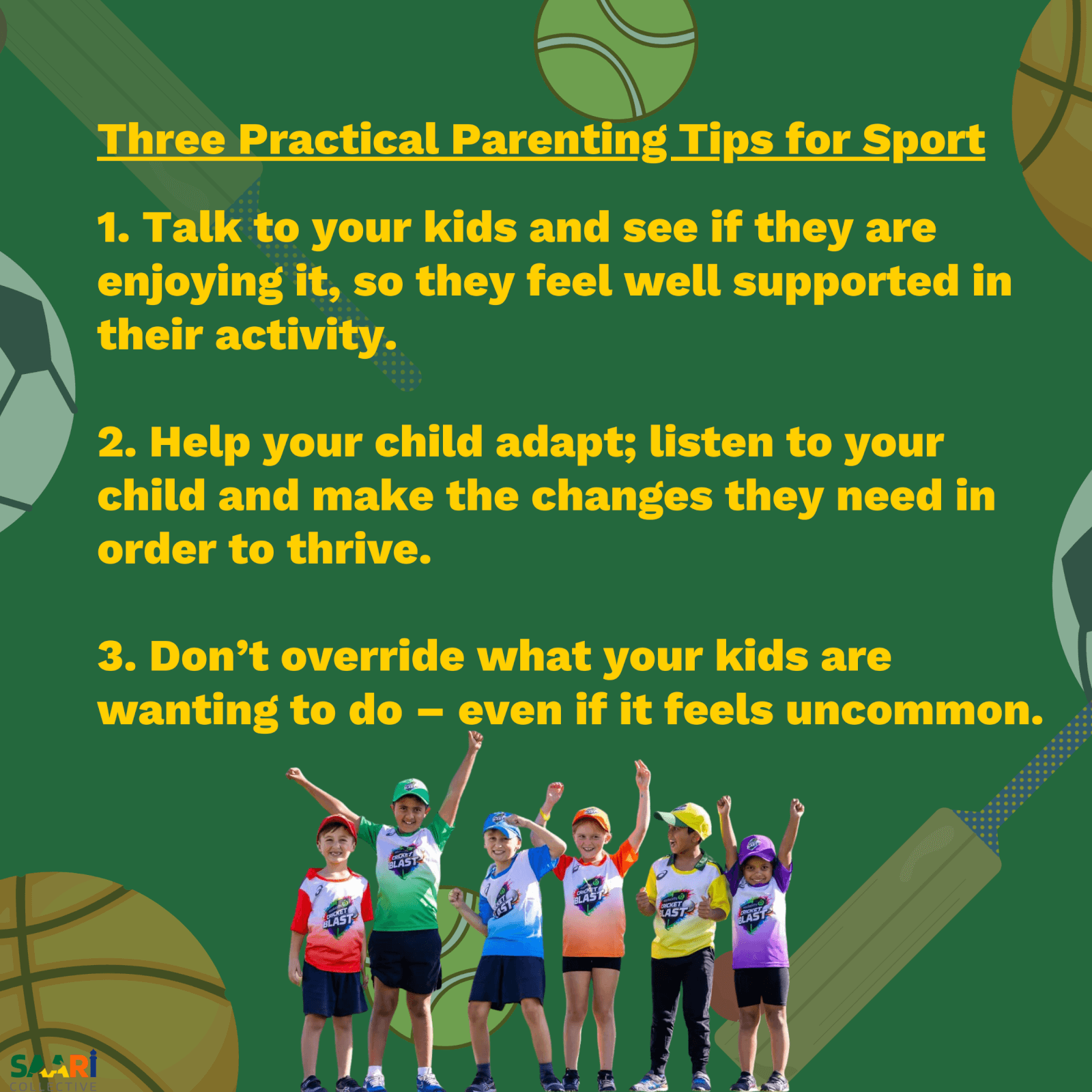
She goes on to give three practical tips on how to do this.
1. “Parents can talk to their kids and see if they are enjoying it, so they feel they are well supported in their activity.”
2. “Parents should help the child adapt, listen to the child and make the changes they need in order to thrive.”
3. “Parents should not override what the kids are wanting to do – even if it feels uncommon.”
Aish’s last point really sticks with me. For a child to flourish, they need to be guided by their own choices.
I think of a mum who once said to me that her son didn’t enjoy playing footy as the competitiveness was having a negative impact on him and impacting his self-confidence.
She made the decision to pull him out and give him a break, and to look into the choice of other sports that were more supportive for him.
Volunteer and be involved in your kids sporting activity
I decided to ask Aish Ravi what else parents, especially those from diverse cultures, can do to ensure their child is best supported and their confidence continues to rise.
“Australia leads the way in sports,” Aish says.
“Ethnic boys and girls should be catered for – their challenges, barriers, their experiences can be quite different. This representation does not exist at the moment.”
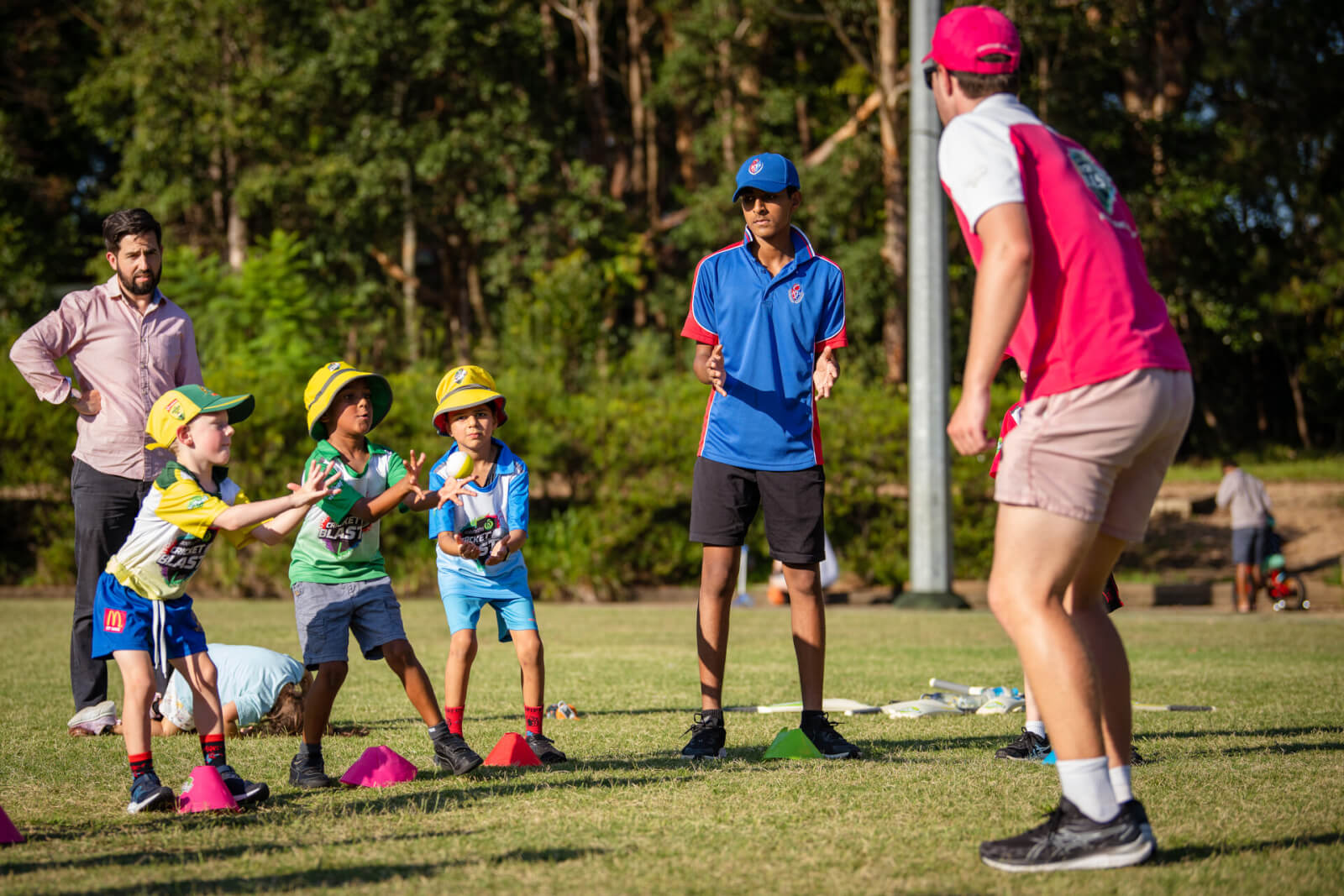
“Sports clubs/coaches/associations don’t always know culturally what the ethnic boys and girls path has been because of them not being represented. Their voice is not included,“ she adds.
Aish also has some suggestions for how culturally diverse parents can be involved.
“Parents can volunteer at all levels (including state and national levels) so their voices can be heard. They need to acknowledge the right voice towards their people, put their hand up and represent them. They need to pave the way towards equity that can benefit their kids.”
This resonated deeply with me. I’ve chosen to get involved in all my children’s sports, because I want to make sure that sports is normalised for all genders and for all cultures.
I must admit some sporting clubs are more diverse than others, yet I feel that the overall openness of a club and its people is what matters.
My daughter was one of two girls at the cricket club enrolled in Junior Blasters that year and the only girl with a South Asian background. My voice was definitely being heard by the club’s committee and coaches. There was a lot of respect for me and my daughter, along with all other families enrolled.
Lessons learned on my journey into parenting in sport
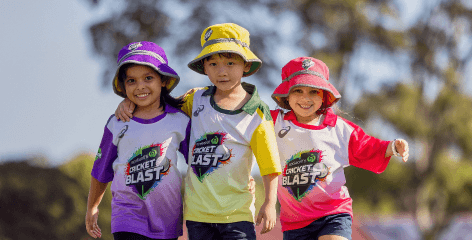
I have learnt a lot on this journey so far. And there are a few key aspects that have really stood out for me:
➟ I researched which club to enrol the kids in, for all sports. I did most of this through word of mouth and first-hand experiences of others.
➟ I chose sports that my husband and I liked to play when we were kids as starting point activities for our own children to try.
➟ I always asked for trials before enrolling them into activities as that ensured I was not pushing my kids into something they did not want to do. It is a fine balance between nudging them a little outside of their comfort zone yet also ensuring I was listening to them really well.
➟ I tried to enrol my kids with one of their friends. This does require a bit of coordination between the parents, but it’s worth it!
➟ I got involved in the sports/club that they play.
I believe this exploration and understanding will help me to ensure my children are always given a choice, within an environment chosen by us as their parents that enables them to thrive and continue to build their confidence.
And I hope my suggestions resonate with other parents, for the benefit of the next generation of diverse and talented little athletes.
Kalpana Kamat is a yoga teacher, writer, and cricket enthusiast. She teaches children's yoga and meditation, and credits the arrival of her two beautiful children with sparking her interest and passion in children's wellbeing. You can find her at her website: www.sankalpambs.com.au.