Whether you seek a visceral understanding of the Palestinian occupation or wish to support the labour of artists that are documenting it, now is the time to lend your attention to the richly captivating world of Palestinian cinema.
Here are five Palestinian Directors you need to know.
Elia Suleiman
“Cinema criss-crosses borders and checkpoints. I focus on the very personal to arrive at the very political. If the film is good, then it’s universal”.
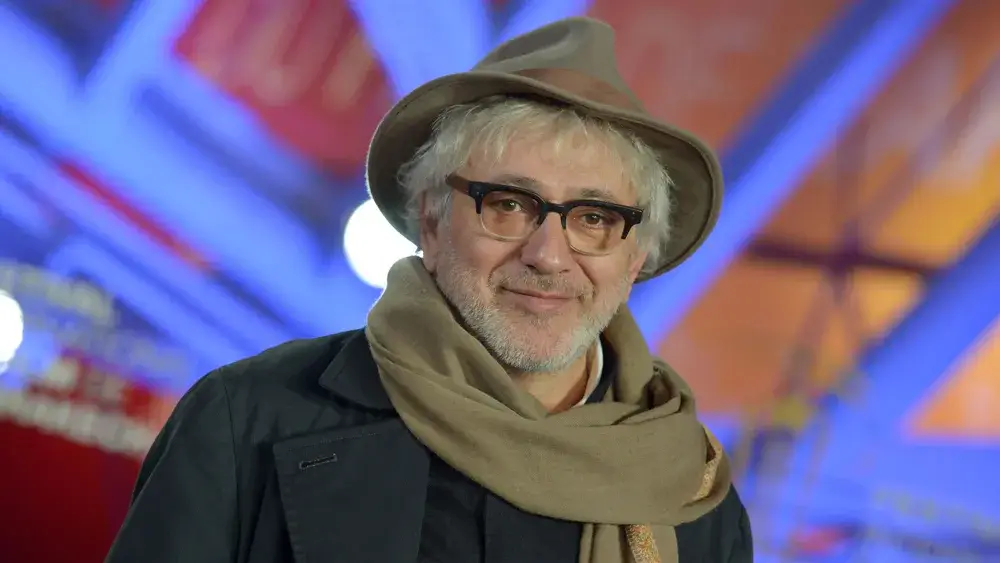
Known for his satirical comedy and deadpan humour, Elia Suleiman is a highly acclaimed Palestinian director and actor. His films often explore the absurdities of life in the face of political turmoil. Suleiman’s direction boasts an uncomfortable simplicity, a rigorous minimalism akin to a Wes Anderson or Michael Haneke narrative. He is a Cannes Film Festival veteran, best known for taking home the Grand Jury Prize for his 2002 feature Divine Intervention. Watch now on Netflix.
Mai Masri
“Through culture, we’re able to rebuild Palestine. Because the occupation has systematically attacked, erased and brought to pieces the Palestinian memory, the Palestinian narrative, the identity, and the person.”
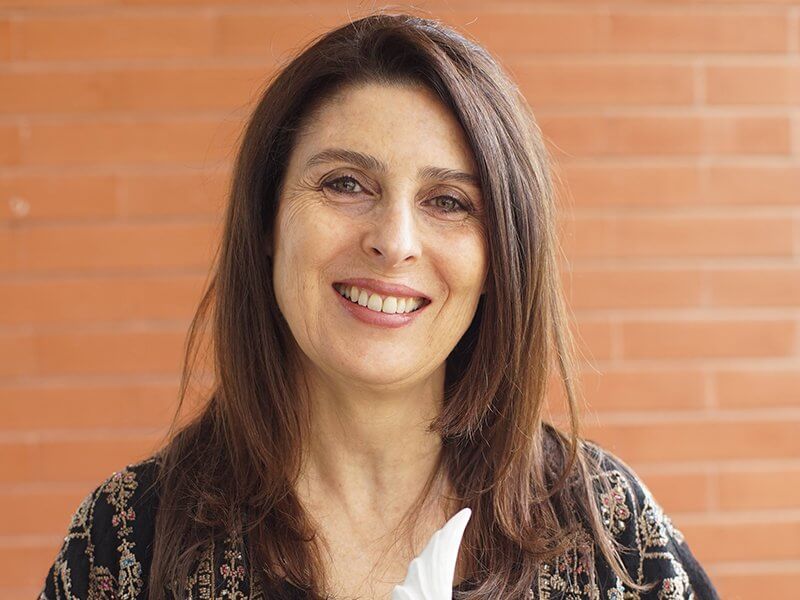
Mai Masri was one of the first women recorded to make a film that documented the conditions of innocent civilians struggling to survive in a war-ridden Palestine. Frustrated with the indigestible portrayal of Palestine on International news, Masri was one of the first people to film inside a refugee camp in her documentary Children of Fire (1990), focusing on the accounts of real Palestinian children. Whilst her debut feature 3000 Nights (2015) was fictional, the narrative was based upon a multitude of real accounts from female Palestinian prisoners. This feature screened at the inaugural Toronto International Film Festival and went on to win twenty-four international awards, further solidifying Mai Masri’s reputation as a prolific director. Mai Masri’s work is available to stream on both MUBI and Netflix.
Kamal Aljafari
“[Archival footage is] the camera of the dispossessed. On my father’s camera, everyone has a chance to exist”.
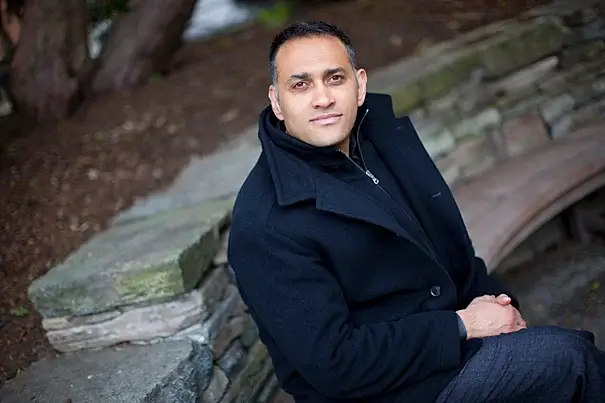
Blurring the lines between fiction and non-fiction, Aljafari’s films incorporate found footage to explore memory, history, and the changing landscapes of Palestinian cities. But most importantly, Kamal Aljafari’s aesthetic is a rebellion against the Israeli erasure of Palestinian life. As part of the Israeli occupation, Palestinian archival footage has been stolen, hidden and destroyed, removing all evidence of Palestinian occupation of their own homeland. In his film Recollection (2015), Aljafari physically restores any material found in Israeli fiction films and propaganda shot in his hometown of Jaffa, forming a visual inventory of Palestinian existence in Israel.
Farah Nabulsi
“I want to tell the human stories behind the headlines, to show the impact of political decisions on everyday lives.”
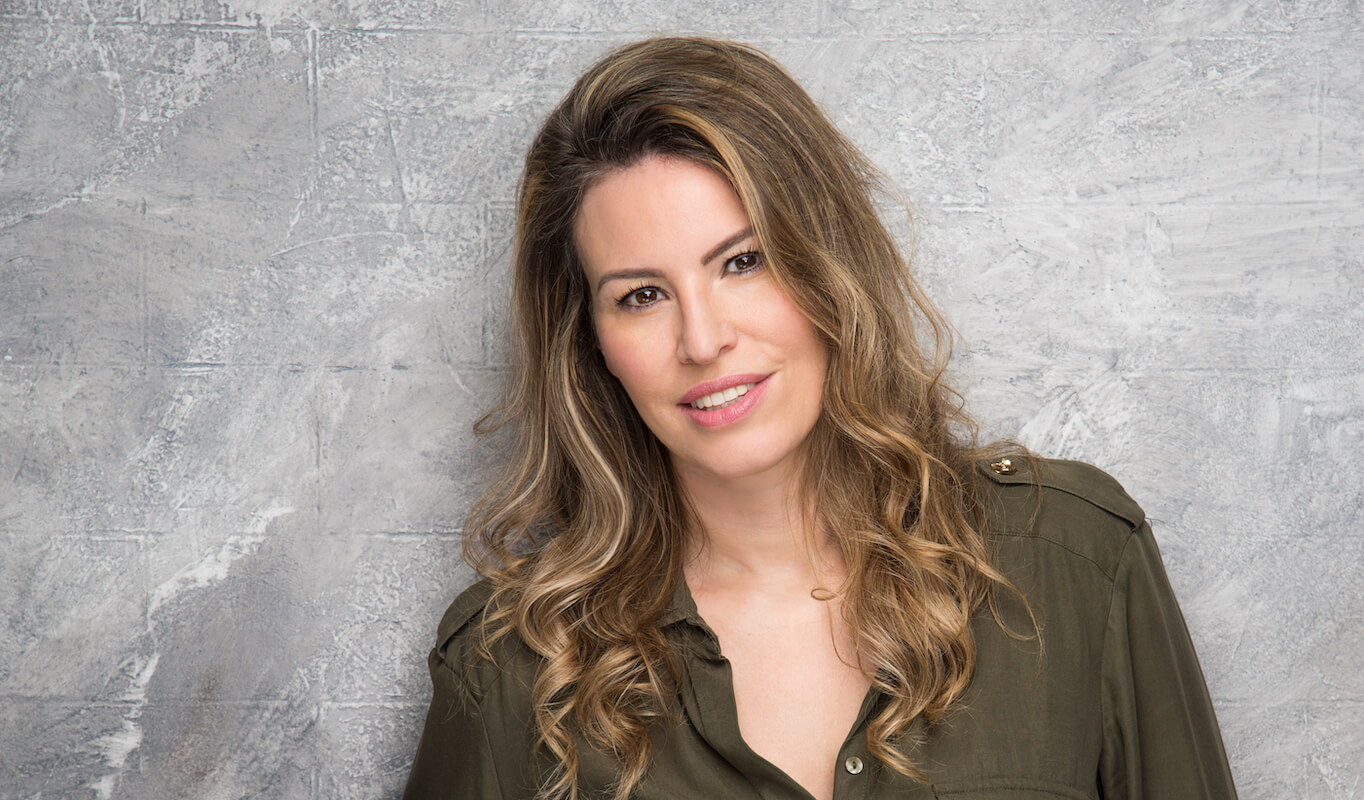
Nominated for the best short at the 93rd Academy Awards for her film The Present (2020), Farah Nabulsi shone a light on the everyday freedoms that are humiliatingly robbed from Palestinian civilians. Following a deeply unsettling visit to her homeland, marred by military occupation, Nabulsi felt a compelling need to make a powerful statement, one that couldn’t be expressed within the confines of her established career as a stockbroker. The British-Palestinian immediately decided to pivot and learn filmmaking from books and Youtube. For Nabulsi, filmmaking in Palestine represents hope and an activist stride toward freedom for her people. In her short works, she employs a binational lens to examine her homeland and those that occupy it.
Mohamed Jabaly
“I think the only way to keep moving is to share this hope, this beauty, and also see that the world is recognising us”.
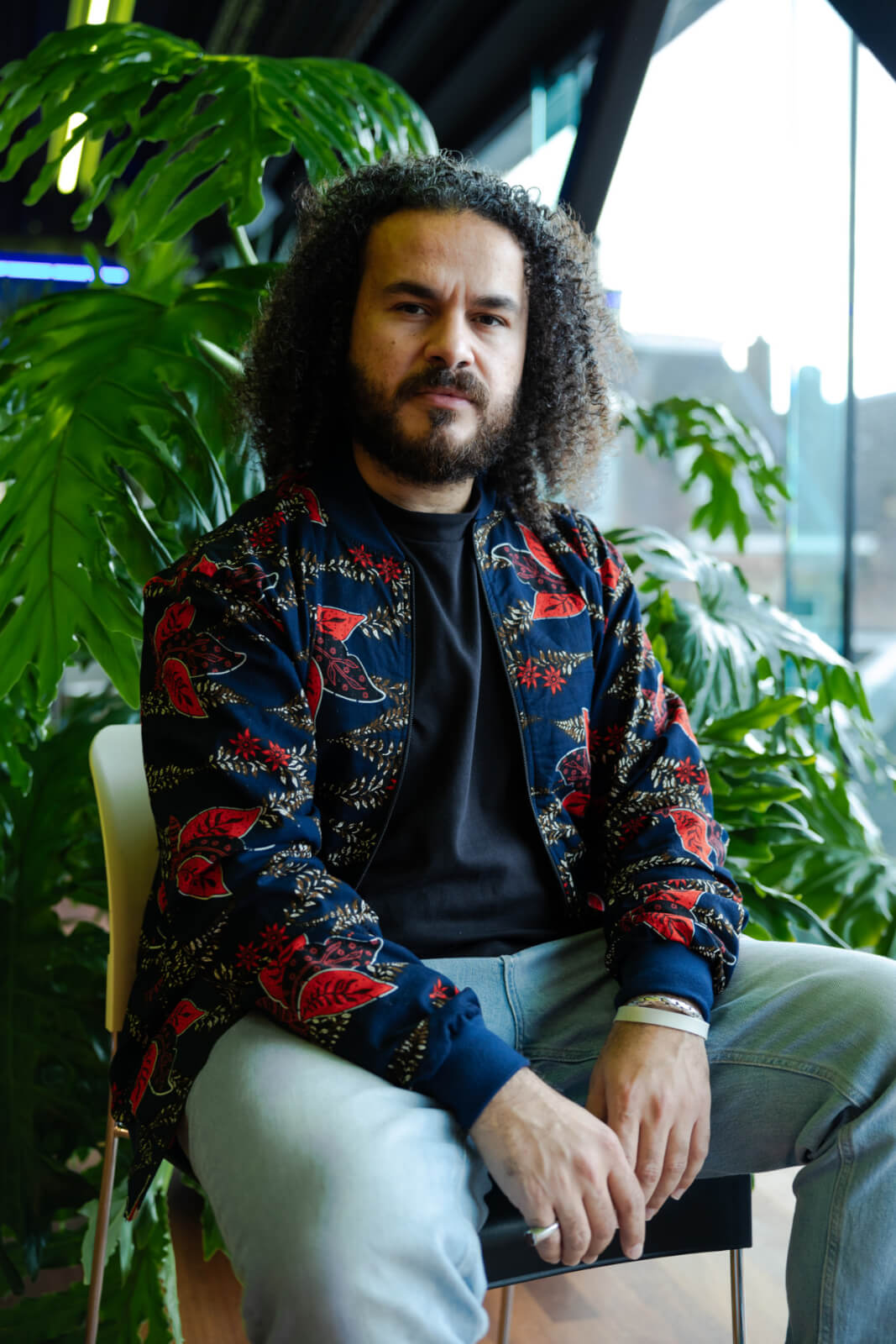
Mohamed Jabaly is a Palestinian artist and director from Gaza City. Jabaly's initial encounter with exile occurred during what was intended to be a brief visit to Norway. Upon returning, Gaza’s border closures left him stranded. Obtaining a Norwegian artist visa proved challenging due to Palestine's 'stateless' status and his lesser-acknowledged self-taught filmmaking background. However, Mohamed Jabaly didn’t stop making films. He documented every personal account which eventually became the footage used in his upcoming feature Life is Beautiful (2023). In his other heavily acclaimed documentary Ambulance (2016), Mohamed Jabaly chronicles his experiences as a paramedic during the 51-day war in Gaza, in 2014. The film provides an intimate and harrowing look at the challenges faced by emergency medical teams working in a war zone.
Aarushi Chowdhury is a writer and director based in Naarm. She channels her passion into exploring topics surrounding class, history, culture, and all things screen.