A study by the Asian Institute of Taste has come to a shock conclusion that all the South Asian varieties of mangoes taste the same, after a comprehensive study on mango varieties around the world.
Researchers have found that despite the apparent differences in flavour, the physico-chemical compounds that make up a mango’s taste is the same in all of South Asia’s most popular mango varieties, including Kesar, Anwar Rataul, Himsagar, and even the famous Alphonso.
“Testing the chemical make-up of the fruit controls for changes in climate, soil, water quality and other factors,” says Beijing-based head researcher Dr Meng Guo. “As our results stand, these mangoes have no difference.”
Dr Guo and his team believe the difference in taste may occur due to a placebo effect.
“It’s quite common in regions with a lot of geopolitical tensions,” Dr Guo says.
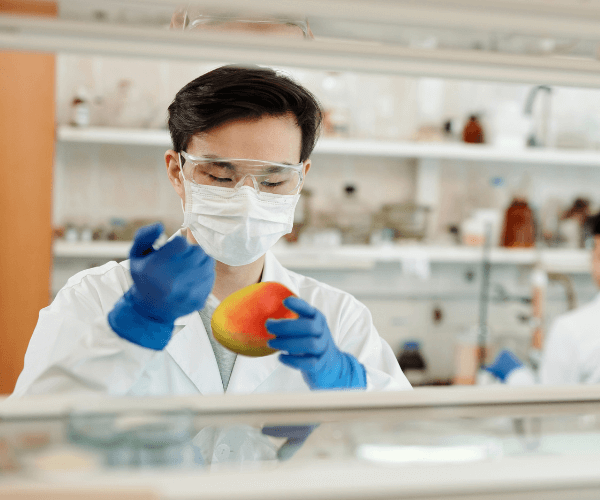
Caption: Dr Meng Guo of the Asian Institute of Taste worked with a team of 15 scientists Asia wide to study over 500 species of mango.
The news has been received with tension from South Asian mango enthusiasts, with many fighting the claims.
Pakistani-Australians, known for gratuitously overpaying for Pakistani mangoes on WhatsApp auctions, told SAARI they were shocked by the news.
“My taste buds would just die if I ate a dirty Indian mango. Our mangoes are not only the sweetest, but the biggest and most wonderful,” says Gulab Khan.
“This Chinese researcher has probably never loved a mango like I do. How can he judge my Mata Aam, our national fruit?”
Siddarth Aam Aadmi, an Indian-Australian mango importer, finds the study hilarious.
“If you gave me the choice of eating a Sri Lankan mango or eating my cat, I would rather eat 10 cats!” says Aadmi.

Caption: Siddarth Aam Aadmi has been importing mangoes from India since losing his job at Telstra in 2018.
“Mangoes are a part of our childhood, often our first sweet fruit, and they define who we are.
We are the mangoes we eat. Anyone claiming another mango variety is better is attacking my very being.”
Mangoes have long played an important role in South Asian societies and culture, with many governments using it in inter-subcontinent diplomacy. In 2021, then-Bangladeshi prime minister Sheikh Hasina sent delegations of mangoes to India and Pakistan to shore up relations amidst China’s growing influence in the region.
ASIO and other security authorities in the Asia-Pacific are worried mango fighting will erupt into violence, and are monitoring backchannels closely, recently discovering a crypto-mango market on the dark web.
Australian mango growers weighed in on the debate. Bruce Bruceton Patel, a third-generation South Asian Aussie from Queensland’s tropical mango growing hub, thinks the South Asian mango paled in comparison to Aussie varieties.
“We made a little magic by getting an Indian mango, a Pakistani mango and an Aussie mango to shack up for the night and have a baby,” says Patel. “Our mangoes are like me – delightful and tastier than anything else.”
Patel says that mangoes should bring us together, not divide our communities further.
“Don’t fight. Just delight.”
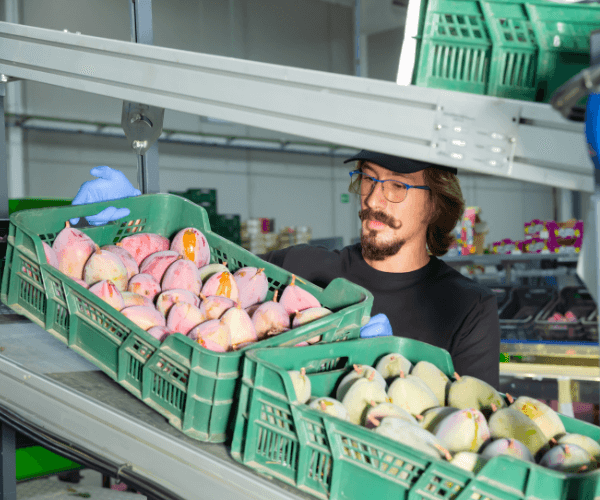
Caption: Bruce Bruceton Patel doesn’t get what all the fuss is about.
Dr Guo says his research team cannot offer judgement on which variety of mangoes tastes better. “We only test for whether they taste different. Whether it’s better or not is up to personal preference.
“If you ask my team, I think they’re sick and tired of dealing with mangoes all day and are glad that the study is over. We don’t want any more calls from angry mango lovers.”
The Asian Institute of Taste refused to comment on whether they were affiliated with the Chinese government.
The SAARI Science Detectives are a grassroots organisation that look into somewhat dubiously conducted scientific studies and milk them for outrage content.
Happy April Fools' Day!