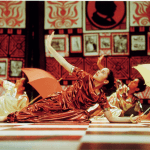
For decades, Bollywood has been a male-dominated industry, with women often relegated to stereotypical roles that objectify and marginalise them. From the demure damsel in distress to the seductress existing solely for the male gaze, the portrayal of women on the silver screen has been a far cry from reality. However, a seismic shift is underway: Sanjay Leela Bhansali's debut to streaming, Heeramandi: The Diamond Bazaar, is leading the charge with its unapologetic portrayal of complex, sometimes unlikable female characters who wield immense power.
The objectification of women in Indian cinema is a long-standing issue that has perpetuated harmful stereotypes and limited opportunities for talented actresses. Films like Khoon Bhari Maang with Rekha, Anjaam with Madhuri Dixit, and Ek Haseena Thi starring Urmila Matondkar have explored female rage and revenge, but often within the confines of traditional gender roles. Heeramandi, however, shatters these conventions by allowing its female characters to embrace their flaws and complexities, challenging the audience's perceptions and paving the way for a more nuanced and authentic representation of women on screen.
Take, for instance, the character of Fareedan (Sonakshi Sinha), whose ferocity and determination to claim her rightful place as the successor to Heeramandi's reigning courtesan, Mallikajaan (Manisha Koirala), drives much of the series' conflict. Fareedan is unapologetic in her pursuit of power, even if it means clashing with her own mother's wishes. Her rage is palpable, yet it is this very quality that commands respect and fear from those around her. Love or hate her character, it’s refreshing to see female rage be displayed with a sense of dignity and respect in Indian entertainment. Similarly, Lajjo (Richa Chadha), a courtesan who falls in love with a nawab, defies societal expectations by expressing her anger and heartbreak in visceral and beautifully messy and chaotic ways, refusing to be reduced to a mere object of desire. As you weave through the grandeur and ethereal sets and costumes, you are able to find real and raw moments of complexity in these multifaceted characters.
While the audience response to female-led films has been mixed, there is a growing demand for more diverse and nuanced representations of women on screen. Movies like Queen, Neerja, and the blockbuster Dangal have not just won critical acclaim but have also laughed their way to the bank, raking in ₹95 crores (approx AUD 1.4 million), ₹131 crores (approx AUD 1.9 million), and a whopping ₹1968 crores (approx AUD 2.9 million) worldwide respectively. These commercial successes challenge the age-old notion that female-centric stories cannot strike a chord with audiences.
However, the investment in such projects, both in terms of budget and marketing, has often been disproportionately lower compared to their male-led counterparts. In 2022 wildly successful women-led, historical drama Ganghubai Kathiawadi premiered with a budget of ₹125 crores (approx AUD 22 million), grossing ₹209.2 crores (approx AUD 37.9 million) at the box office. In the same year another historical drama premiered Samrat Prithviraj, which had a budget of ₹225 crores (approx AUD 40.8 million) but grossed ₹91.5 crores (approx AUD 16.6 million) at the box office, further highlighting the commercial viability and audience appeal of well-crafted female-centric narratives. Despite its lower budget, Gangubai Kathiawadi's box office performance serves as a testament to the industry's inherent bias against investing in and promoting women-led projects on par with their male counterparts. This disparity extends to marketing and pay as well. Lara Dutta told NDTV, “We work as hard, if not harder, than our male counterparts in the business, but most women get paid, if they are lucky, one-tenth of what the actor gets paid.” Even an A-lister like Deepika Padukone lost out on a film for demanding equal pay as her male co-star and husband Ranveer Singh.
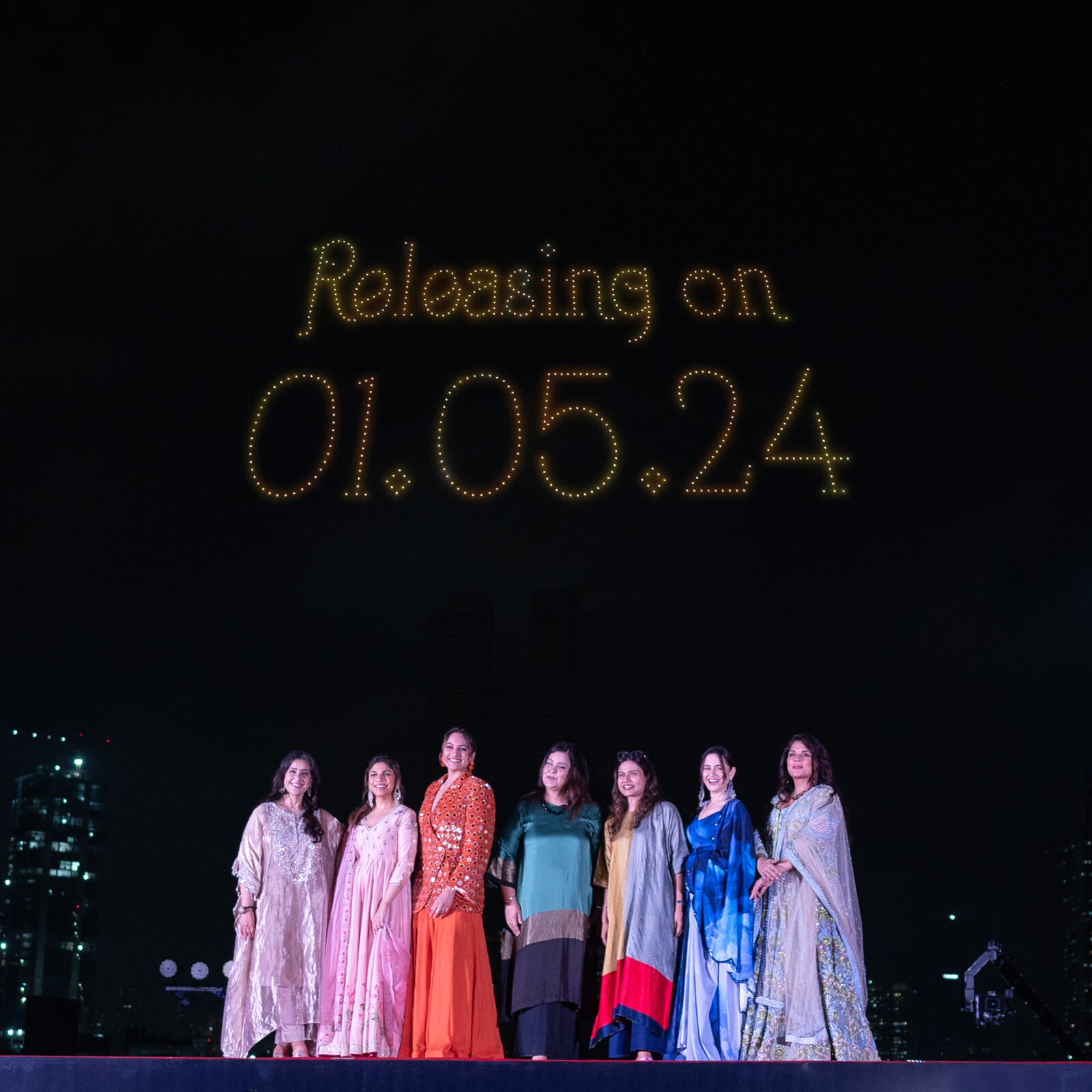
Heeramandi breaks this mould with its reported budget of ₹200 crores (over AUD 24 million), making it one of the most expensive Indian web series ever produced. This investment signals a shift in the industry's priorities, with streaming platforms like Netflix actively investing in original Indian content that challenges societal norms and embraces diverse narratives.
The marketing campaign for Heeramandi has been equally groundbreaking, with a focus on celebrating the strength and resilience of its female characters. From the striking posters to the thought-provoking teasers, the series' promotion has challenged traditional notions of femininity and empowerment, resonating with audiences across the country. In its debut week, Heeramandi garnered 33 million viewing hours on Netflix, breaking records for an Indian series premiere. There was also a clear push for success within diaspora communities, with campaigns and screenings happening all over the world including one in Melbourne and Sydney. It definitely worked as Heeramandi worked its way into Netflix’s Top 10 charts in 43 countries, showing its global appeal. The series is also in second position when it comes to the Non-English TV List.
Although most reviews of the show have been encouraging, we can all agree that there is always room for improvement — especially in case of Bollywood’s incessant nepotism problem and the push for gender equality behind the camera. But as audiences become more discerning and demand greater depth in their entertainment, the success of Heeramandi has the potential to catalyze a broader shift in the industry's approach to storytelling. Women on TikTok have even shared that the show made them realise that “we always learn history from the male perspective.” The show may encourage producers and studios to invest in a wider range of narratives that explore the multifaceted experiences of women, breaking free from the confines of traditional gender roles and stereotypes.
The series' success will surely inspire a new generation of aspiring actresses and filmmakers, empowering them to pursue their dreams and challenge the existing power structures within the industry. Heeramandi has shown us that women are enough, our stories are enough and they deserve to be heard and, of course, compensated for. The show serves as a powerful reminder that women are not mere accessories in storytelling but are capable of carrying entire narratives on our shoulders.
As Heeramandi continues to captivate audiences worldwide, it represents more than just another series. It is a cultural milestone that has the potential to reshape the landscape of Indian cinema. By celebrating the strength and resilience of women, challenging traditional gender norms, and investing in a female-centric narrative, the series has already set a precedent for a more inclusive and representative future for Indian entertainment. One can only hope that we keep this momentum going.
Simran is a queer, Punjabi-Malaysian journalist and content-creator living in Narrm (Melbourne), who loves to write about activism within culture. You can find her yapping as the co-host of the news and culture podcast Broadly Relevant or chasing her next story on Instagram.