I stepped into a bustling café on a rainy Saturday afternoon, with my child in tow. I sat down and glanced at the kids' menu and sighed—a familiar feeling of exasperation mingling with the rich aroma of freshly brewed coffee came over me.
"Mum, I'm starving! Is there anything yummy to eat?" said my child, hangry and tugging at my sleeve, looking up at me with pleading eyes.
Once again, the lack of healthy, diverse vegetarian options stared back at me from the menu. The ubiquitous kids' menu, with its predictable offerings of chicken nuggets, chips, hot dogs, and macaroni and cheese, left much to be desired for a parent like me who seeks nutritious, meat-free alternatives for their child.

Growing up in Singapore, I was surrounded by a vibrant array of vegetarian cuisine. I vividly remember bustling hawker centres and restaurants where my family and I would indulge in crispy and golden dosas, served with coconut chutney and sambar, or palak paneer, where luscious spinach met soft cubes of paneer in a flavourful, creamy sauce. We would also savour bowls of wholesome vegetarian laksa, its fragrant broth a comforting embrace.
Every weekend, this would be a family event, where we would pile into the car, chattering excitedly about which hawker centre we would visit. I remember the warm evenings, the smell of spices in the air, and the sound of sizzling woks. My brother and I would race to find a table while my parents ordered our favourite dishes. We'd share stories, laugh until our bellies ached, and savour every bite. These meals were more than just food; they were a delicious thread that wove us closer together, grounding us in our cultural and culinary heritage.
In contrast, dining out in Australia often feels like navigating a culinary desert, especially when it comes to kids’ menu options. While the rise of veganism has led to more plant-based options on menus, the standard kids' menu remains disappointingly limited, offering little beyond the typical Western dishes, missing out on the opportunity to introduce children to the rich and diverse flavours that vegetarian cuisines, particularly from South Asia and South-East Asia, have to offer.
This gap is not just a minor inconvenience; it’s a missed opportunity to expand and deepen the palates of our young ones, teaching them to appreciate and enjoy a wider range of nutritious and delicious foods from an early age. It’s rare to find menus that go beyond the typical Western dishes.
A plea for change
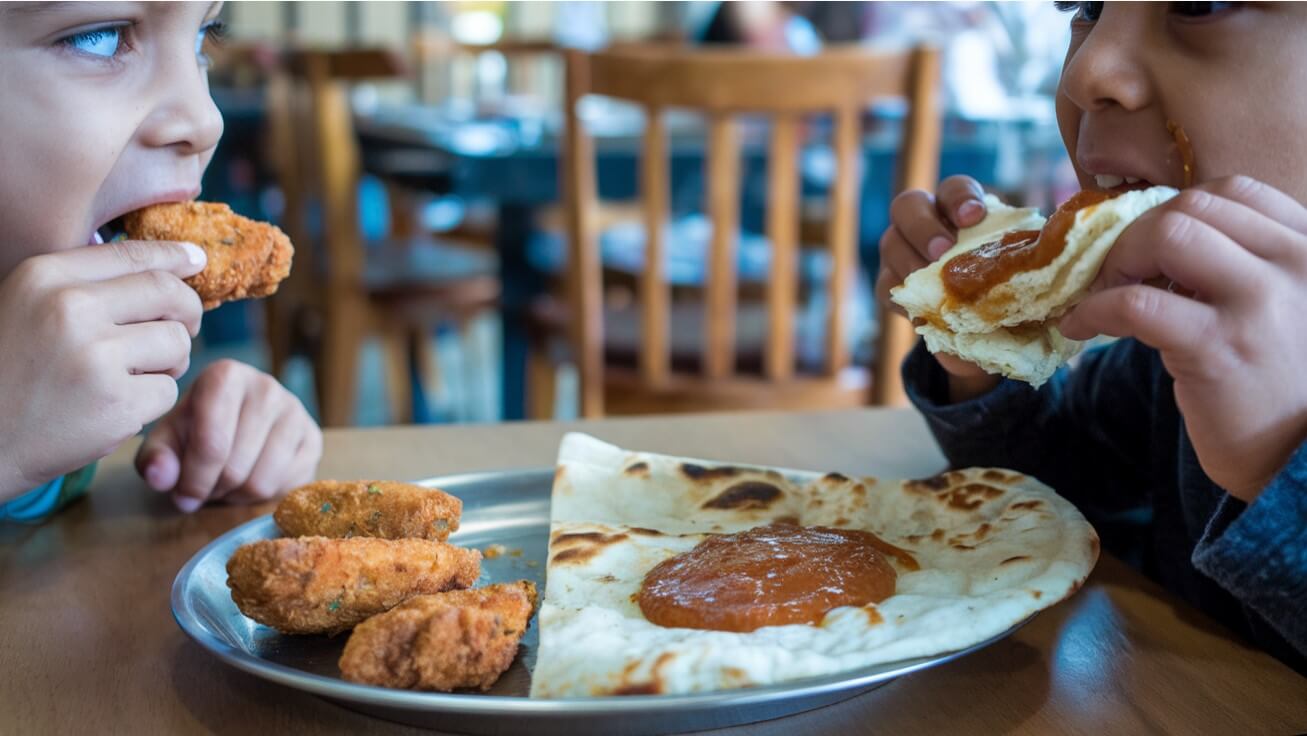
As a parent, few things bring me more joy than seeing my child’s eyes light up with delight over a good meal. Every outing feels like embarking on a treasure hunt, with the ultimate prize being a wholesome and diverse vegetarian option that not only meets nutritional standards but also excites my child’s palate. Mac & cheese and fries can only go so far in taste and lack the nutritional value children’s meals should have. The lack of variety and creativity in kids' menus turns dining out into a challenge rather than a treat.
The importance of having more vegan and healthier diverse meals cannot be overstated. Children’s health is profoundly impacted by their diet, and a menu rich in vegetables, legumes, and grains can help set the foundation for lifelong healthy eating habits. Vegan and vegetarian dishes often offer lower levels of saturated fats and cholesterol while being rich in essential nutrients, fibre, and antioxidants. These meals can help prevent childhood obesity, diabetes, and other diet-related diseases, providing children with the energy and nutrition they need to grow and thrive.
South Asian cuisine, with its varied offerings and rich variety of ingredients, offers an excellent template for healthy eating. Dishes like dals (lentils), vegetable curries, or chole (chickpea curry) are not only delicious but also packed with nutrients. Introducing these flavorful meals to children can broaden their taste horizons and help them develop a lifelong appreciation for healthy, plant-based foods. Additionally, the use of spices such as turmeric, cumin, and coriander not only enhances flavour but also brings added health benefits, making South Asian and South East Asian menus a holistic choice for a nutritious diet.
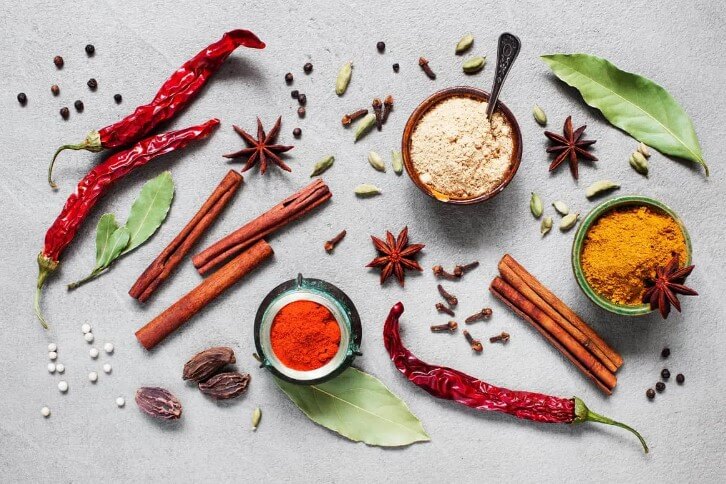
Source: Shuttershock
Despite the Australian Guide to Healthy Eating's comprehensive approach, it often overlooks, for example, the diverse range of South Asian vegetables and proteins. Ingredients like lentils, chickpeas, paneer, and a variety of leafy greens such as spinach and fenugreek are staples in South Asian diets but are not highlighted in the guide. Including these foods in the guide would make a significant difference, providing a more inclusive understanding of healthy eating and encouraging their integration into everyday choices. Seeing these nutritious and culturally significant foods reflected in the guidelines and on kids' menus would also validate and celebrate our culinary heritage. It would signify a shift towards recognising the importance of offering diverse, nutritious, and appealing options for our children.
Imagine the joy of seeing your child eagerly digging into a plate of vegetable samosas, lightly spiced and baked to perfection, or discovering the magic of chole, a powerhouse of protein or even idli - fermented goodness. These dishes don't just nourish the body—they introduce our children to a world of culinary diversity and cultural richness that echoes the flavours of our heritage.
In Australia, a melting pot of cultures, it's high time our kids' menus reflect this diversity. As a South Asian parent, I want my child to be excited at the sight of their favourite vegetarian dishes from across the globe. Just as I delighted in dosa and laksa in the bustling hawker centres of Singapore, I want my child to get excited about spotting vegetarian South Asian options like paneer tikka alongside other tasty delights like noodles or ramen on the kids' menu. Offering such diverse choices would not only make dining out more enjoyable but also help our children embrace and celebrate their cultural identities in a meaningful and delicious way.
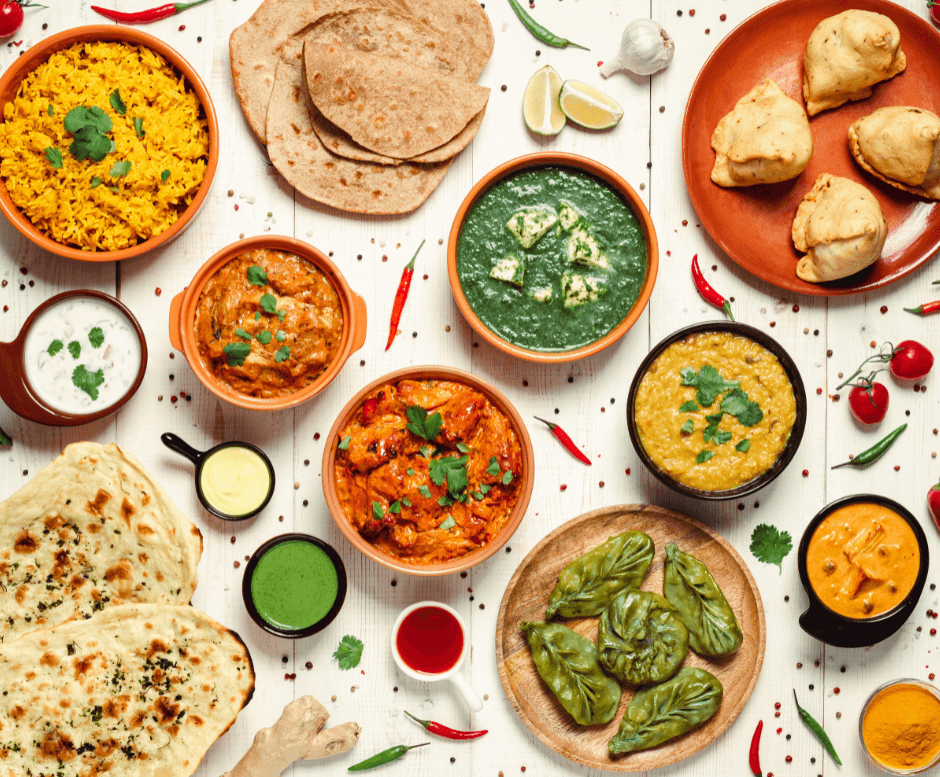
Source: Canva
The Future We Envision
As a South Asian parent raising a child in Australia, I yearn for the day when I can share the flavours of my heritage effortlessly. I hope to walk into a café or restaurant and find a kids' menu that reflects the rich array of our culinary traditions.
It's not just about food—it's about preserving a cultural connection, fostering a love for healthy eating, and celebrating diversity. Let's make this vision a reality, for the sake of our children and the vibrant culinary heritage we all hold dear. Expanding kids' menus to include more vegan and vegetarian options which are not just Western influenced not only benefits our own families but also enriches the palates and health of all children, making dining out a more inclusive and joyful experience for everyone.
Neha J is an educator and an entrepreneur. She is a mum of two and is a writer at SAARI Collective. She loves all things Indian movies and enjoys creating workshops and learning experiences for parents and their littles. Follow her on instagram @ms_nehaj