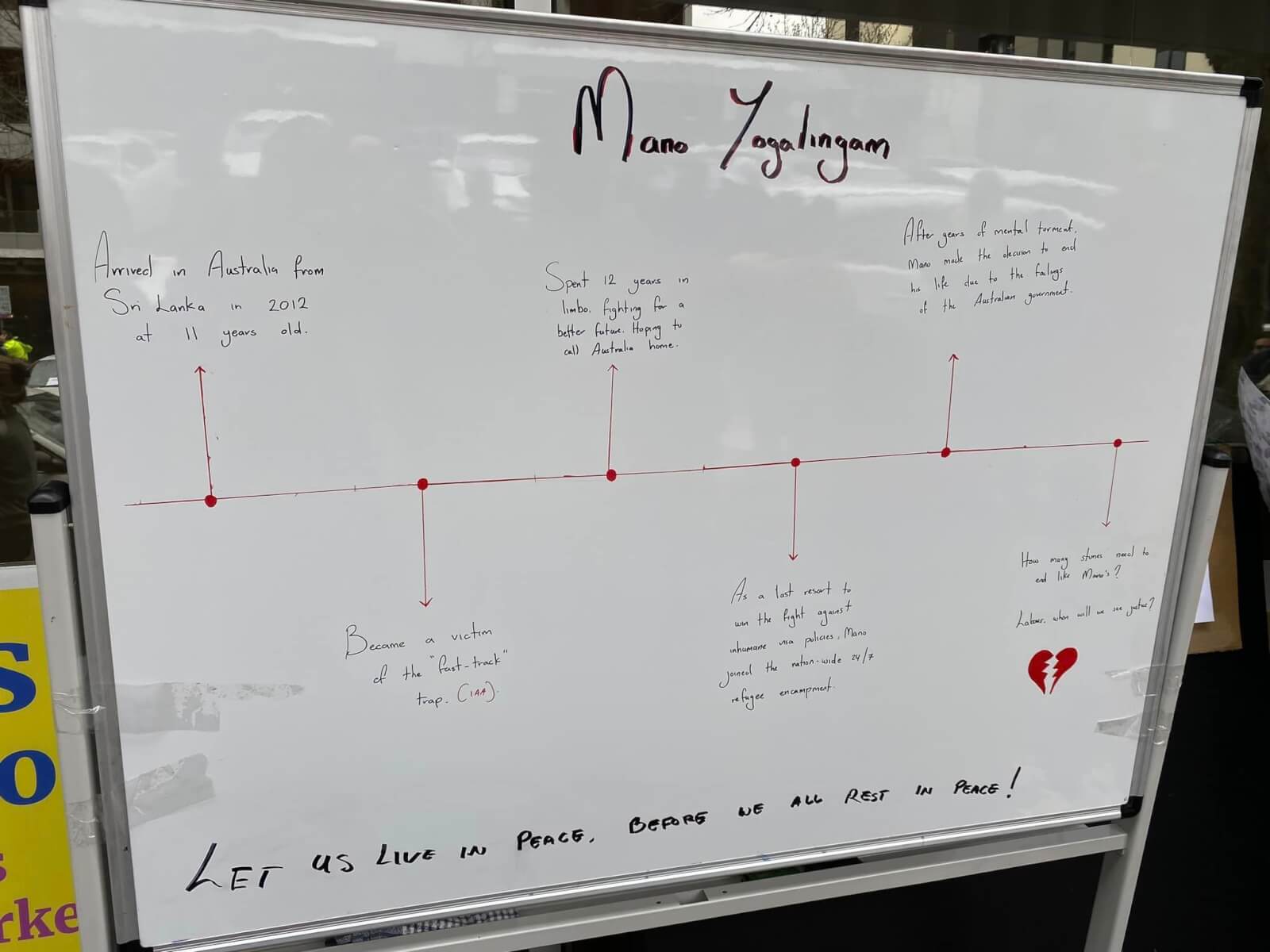
When he was eleven years old, Mano Yogalingam fled the brutalities faced by the Tamil community in Sri Lanka in a desperate bid for safety. After ten years in Australia, what was meant to be a journey to escape violence and secure a new life instead cost him his own.
Twenty-three year old Yogalingam, a factory worker and father of an infant, succumbed to his injuries after an alleged self-immolation on August 28 at a hospital in Melbourne. Yogalingam suffered burns to 80 percent of his body. The incident occurred at a protest against the Australian government's “anti-refugee” immigration policies in the Dandenong region.
Yogalingam spent his final weeks camped outside the Home Affairs offices in Melbourne, raising his voice against Australia’s controversial immigration policy. Yogalingam had applied for a claim as a refugee seeking asylum but was rejected, and had spent more than a decade on the bridging visa to appeal the rejection.
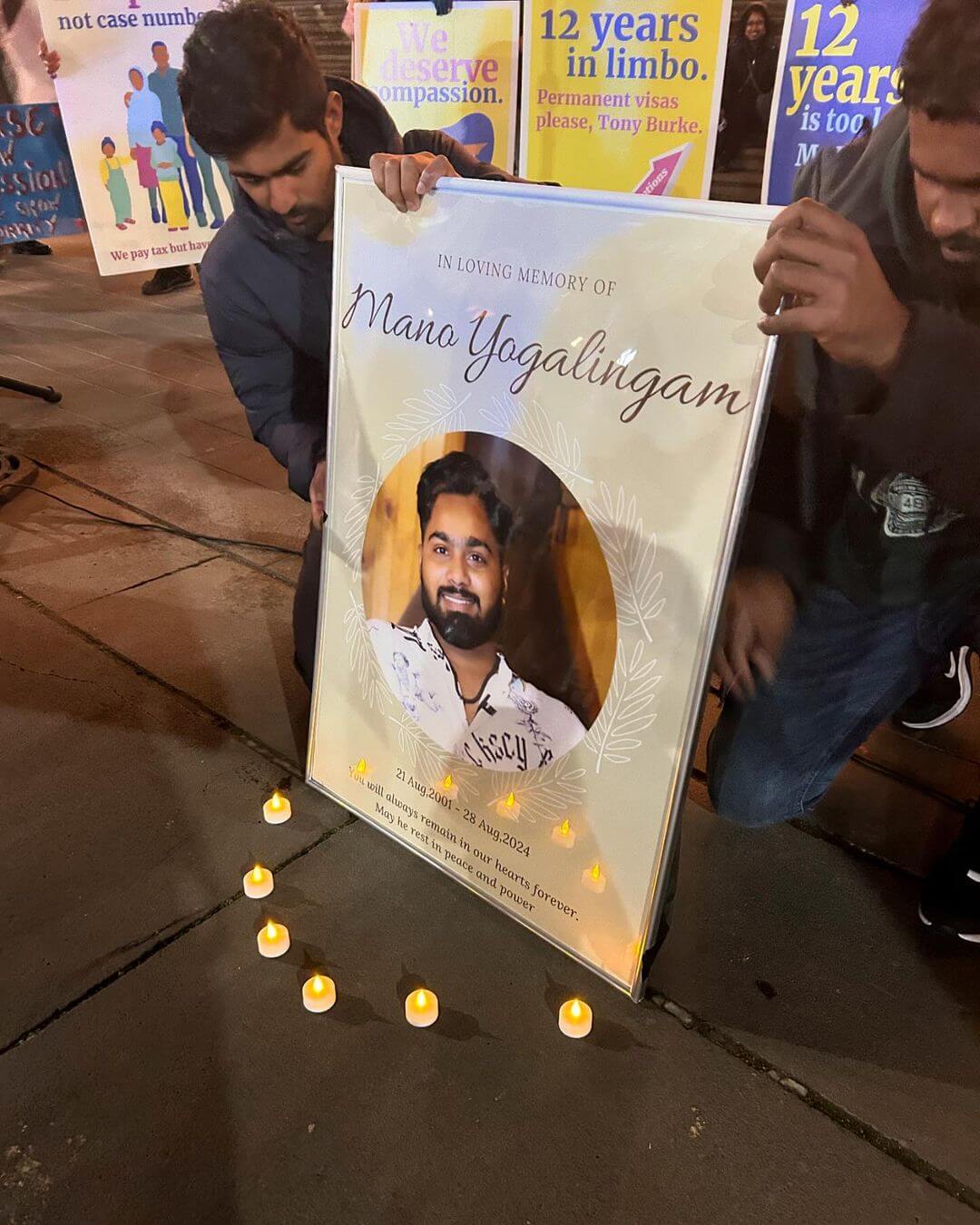
The Australian government faced a massive backlash after the incident, with many claiming that Yogalingam's extreme step was caused by the rejection of his refugee status under Australia's "fast-track" immigration system, which was introduced in 2014.
The tragic story of Yogalingam resonates deeply with the ongoing plight of refugees worldwide. His death has sparked public debate, bringing attention to the challenges faced by those who seek refuge from violence and persecution. The incident is a stark reminder of the enduring impacts of conflict and the perilous journeys many undertake in pursuit of safety.
Victorian Indian community social welfare organisation , IndianCare expressed its condolences to the family and friends of the young father.
“Mano Yogalingam tragically died a few days ago due to self-immolation.”
“This incident underscores the fragility of many people in our society (even though they may appear strong), and the need to use our words and frame our policies in a careful and considered manner, providing as much hope as possible,” Jaya Manchikanti, President of IndianCare, told SAARI Collective.
Australian politicians have also offered their views.
He arrived “as a refugee child, and we failed him,” said Senator for South Australia Sarah Hanson-Young.
“Heartbreaking to hear another refugee has died after being let down by Australia’s cruel refugee policies. Mano Yogalingam was only 23. He set himself on fire after being left in limbo for 11 years, with no chance to build a safe life,” the Senator said in a post on X.
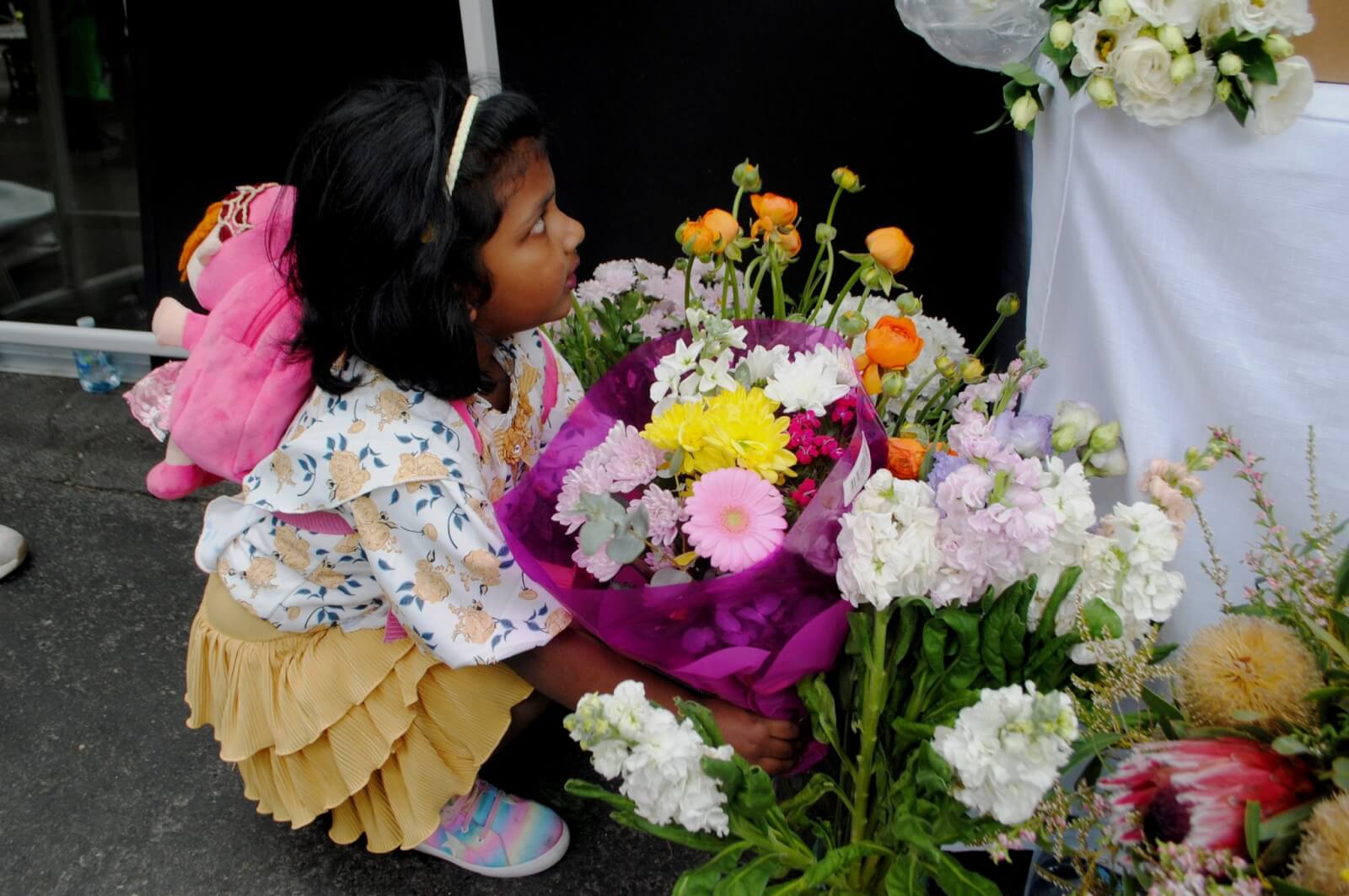
Several other politicians also reacted to the tragedy, seeking immediate action to “end this brutality.”
“His family’s quest for safe haven was denied by our government, and he was rejected under the controversial ‘fast-track’ system introduced in 2014… How can this happen in our country? To a kid who arrived as a terrified 11-year-old?” wrote politician Kylea Tink MP, the Federal member of Parliament for North Sydney, in a Facebook post.
“How many people must be lost to a cruel and unjust immigration system that perpetuates the pain and fear of the most vulnerable? How long will our government continue to look away from stories like Mano’s? It is absolutely in our Government’s power to end this brutality. I call on them to step outside the petty politics of fear and into the humanity we all want to see from #Australia,” she added.
“Mano took his life overnight after 12 years of suffering at the hands of Australian governments - who refused to allow him to live here permanently,” posts another politician, Victorian Green state leader Samantha Ratnam, on Facebook.
“Mano was one of thousands of people seeking asylum and refuge who were unjustly denied permanent protection because of the Liberal’s fast-track scheme. Labor refuses to support the people who were punished by the Liberals and have dished out their forms of punishment against refugees,” she stated further.
“Mano helped organize the encampment that has been protesting for 45 days outside the Home Affairs office. Mano was Tamil. Our community grieves for him, his family, and his friends. The politics in this country is killing people. It’s time for change,” Ratnam concludes.
Matthew Kirwan, former Greens Councillor at the City of Greater Dandenong, said, "the country's cruel policies are killing people. It’s time for change."
“Vale Mano Yogalingam. After 12 years of life in limbo as a person seeking asylum, he set himself alight on Tuesday night at the skate park in Noble Park not far from where I live. For Mano the slight differences between Liberal and Labor refugee and people seeking asylum policy made no difference - both were heartless. Our country's cruel policies are killing people. It’s time for change,” Kirwan said on Facebook.
Amnesty International Australia urged the government to “act with humanity and grant permanent protection to those seeking refuge.”
“Mano Yogalingam arrived in Australia in 2013 and had been on a bridging visa for roughly 11 years. Thousands of people like him have been waiting in limbo for years. We urge the government to act with humanity and grant permanent protection to those seeking refuge,” Amnesty International Australia posted on Facebook.
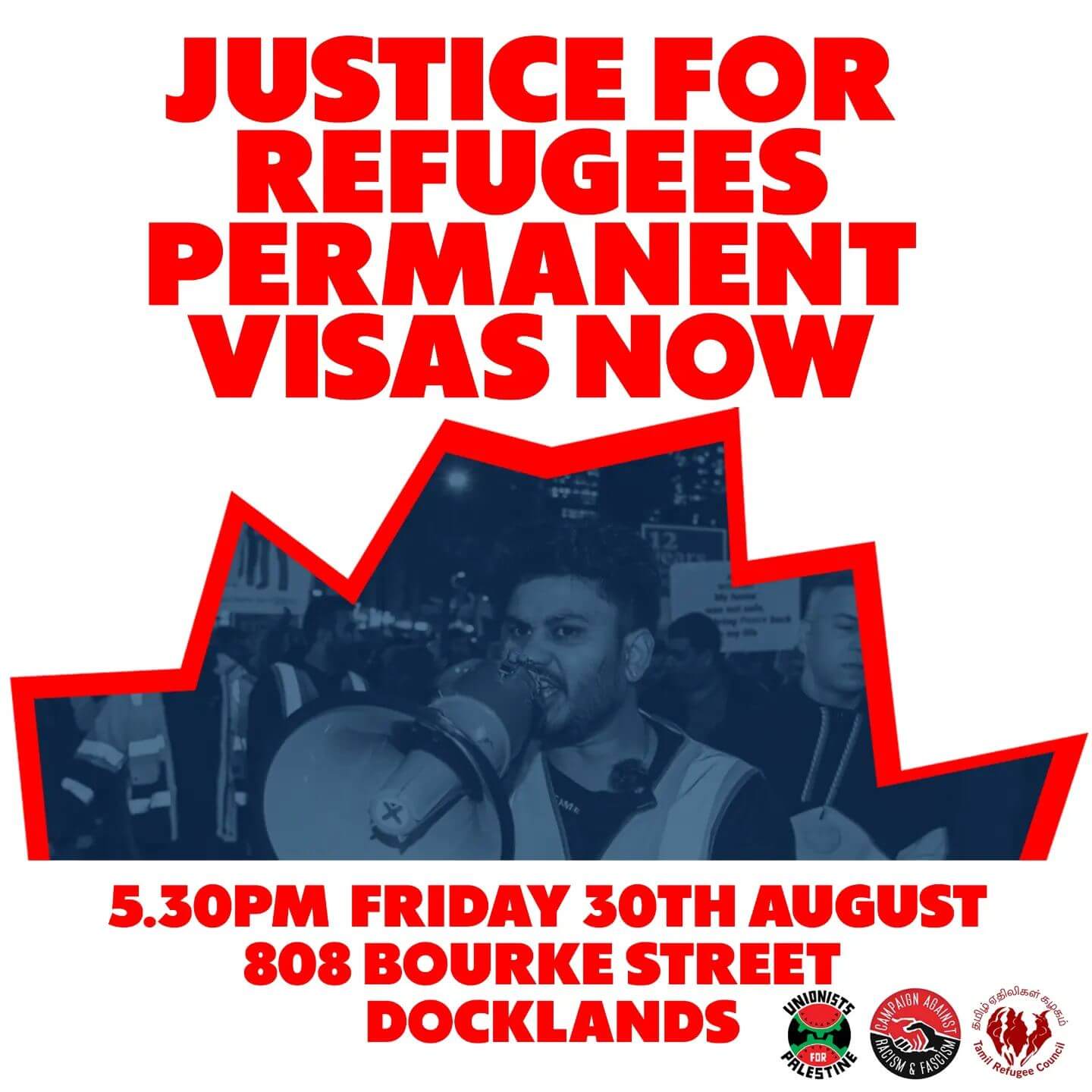
“A big crowd gathered at the encampment to mourn Mano Yogalingam, a refugee who took his own life this week. He’s another victim of the politics of border control, of mandatory detention, and of the flawed fast-track system. Responsibility for his death lies with Albanese and Dutton, who play politics with the lives of people fleeing torture and death,” read a post on the Refugee Action Collective (Victoria) community page on Facebook.
In 2014, the fast-track system was set up to deal with 30,000 undecided cases of asylum seekers who came to Australia by boat before 2013. It asked the Immigration Assessment Authority (IAA) to handle applications for temporary protection visas instead of using the long process of the Administrative Appeals Tribunal.
The IAA doesn't allow applicants to provide new information to support their application once the process has started unless there are "exceptional circumstances."
Around 8,000 asylum seekers are stuck in a system that was created to 'fast-track' their claims. Many of them were children when they first came to Australia and are now young adults with limited six-month bridging visas, fearing they could be sent out of the country they now call home.
A group of crossbenchers and refugee advocates is asking the Immigration Minister to stop the long delay and give these migrants permanent status.
For support contact:
Lifeline - 24/7 online crisis and suicide support, call 13 11 14.
IndianCare for Indian community support programs in Victoria.
Beyond Blue (mental health support) - 1300 224 636
Radha Mishra is a seasoned journalist with over a decade of experience in newsrooms. Now practising independently, she is passionate about covering issues that matter. She strives to deliver accurate and impactful stories to audiences globally.