In Australia’s sunlit waters, an alarming trend is unfolding. The drowning deaths are steadily on the rise within the South Asian community, claiming lives far too often.
A recent Royal Lifesaving Australia report reveals that 34% of drowning deaths in Australia over the past decade involved individuals born overseas, with a striking 12% coming from just one country—India.
These statistics highlight South Asians as one of the hardest-hit communities, underscoring the urgent need for culturally tailored water safety education and access to swimming skills.
As Australia’s vibrant multicultural fabric is at stake, authorities and community leaders are sounding the alarm. Addressing this crisis with compassion, awareness, and effective programs has never been more urgent.
Growing Death Toll Raises Serious Concerns
The National Drowning Report 2024, an annual data compilation by the Royal Life Saving Australia, starkly outlines the issue: drowning deaths in the past year have surged by 16 percent above the decade average, totaling 323 lives lost. Of these, 83 individuals were born overseas, primarily from India and Nepal.
“The most disturbing element of the report was the growth in drowning incidents in people from Indian, Chinese, and Nepalese backgrounds,” Justin Scarr, Chief Executive Officer of Royal Life Saving Australia, told SAARI Collective.
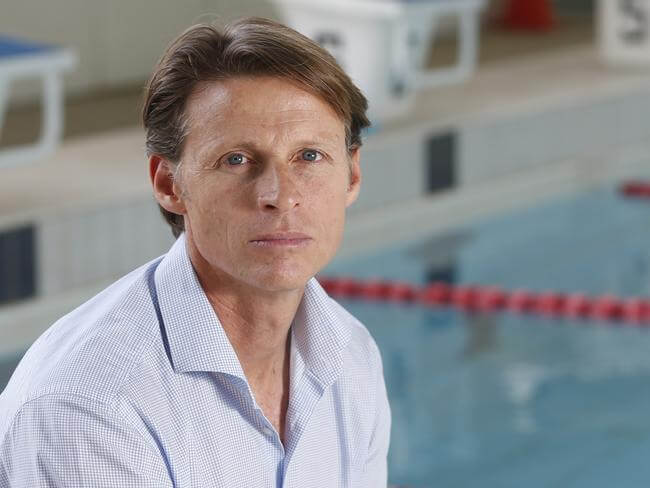
“Of course, migration is growing from each of these nations. Add to that international students, and it makes for a complex set of drowning prevention challenges,” he adds.
The yearly report was published in collaboration with Surf Life Saving and released at Parliament House in Canberra. The report investigates all the factors contributing to drowning deaths across the country every year. Since 1995, it has analyzed who, where, when, and how people have drowned in Australian waterways.
The report reveals a record-high 92 drowning deaths among adults aged 65 and older, accounting for 28 percent of all cases. People from disadvantaged and regional areas drowned at a higher rate than those from advantaged regions, mainly children aged 5 – 14 years, the report highlights.
The troubling trend continues, with many cases witnessed this year alone.
In just the first half of 2024, the South Asian community has endured profound loss and heartache, with around ten drowning deaths shaking the nation and making global headlines. How many others have gone unnoticed, we may never know.
Each incident serves as a piercing reminder of lives lost too soon. In July, two Indian students from Andhra Pradesh, Chaitanya Mupparaju and Surya Teja Bobba, tragically lost their lives at Millaa Millaa Falls in Queensland.

Just a month before that, two Malayali women tragically lost their lives after being swept away by waves at Kurnell Beach in Sydney's Sutherland area.
The year started on a tragic note, too, with a drowning involving another Asian woman in February at a well-known Gold Coast beach. The woman, described as Asian and aged between 50 and 60, was discovered in the shallows at Main Beach.
And who could forget the heart-wrenching tragedy that January brought? A devastating incident took place on Phillip Island, where four individuals, including three women, drowned at an unpatrolled beach.

The victims included 23-year-old male nurse Jagjeet Singh Anand, along with nursing students Suhani Anand and Kirti Bedi, both aged 20, and 43-year-old Reema Sondhi.
Rising Toll Point to a Deeper, Systemic Issue
The increasing number of drowning incidents highlights a deeper, systemic issue. The report underscores that key factors driving this troubling trend include a lack of swimming, water safety, and lifesaving skills.
"Growing up in Bombay, I never showed any interest in swimming. My parents, who also didn't have an affinity for swimming or water activities, never encouraged me to pursue it further,” Shakun Sharma Sherwood, a South Asian Australian parent who still can’t swim, told SAARI Collective.

“My schools in India did not offer swimming as part of their physical education curriculum. We were actively discouraged from playing near water bodies, etc., which in some ways created phobias that today are hard to shake off for some of us,” she shares.
“As an adult living in Australia, life's demands have kept me too busy, and I have yet to find the time to learn how to swim,” Shakun adds.
Compounding the challenge is the lack of resources and effective warning systems tailored to migrants. Language barriers, limited outreach, and inadequate signage in multiple languages make it harder for these communities to understand and fully respond to potential dangers.
A 2022 study by UNSW revealed nearly half (47%) of beach drowning deaths between 2004 and 2021 involved individuals born overseas. Among them, people born in India accounted for the largest proportion of migrant drownings in Australia from 2009 to 2019.
“I attended a multi-cultural water safety symposium a few years ago, and the main message I came away with was that the standard beach safety messages we use, such as ‘swim between the flags,’ may not resonate with new migrants from different cultures as much as we think it does,” UNSW website quoted study co-author Professor Rob Brander as saying.
Additionally, risk-taking behaviors, particularly within the disproportionately affected South Asian community, further exacerbate the issue.
The study highlighted several critical issues, including the fact that almost half of the respondents admitted they could not swim. Yet, many planned to enter the water when visiting beaches.
Disturbingly, many entered the water fully clothed. The report stressed that more than half of those surveyed ventured into unpatrolled waters, often as part of a family or group, unaware of their potential dangers.
In what is believed to be the first study globally to examine beach safety among a particular multicultural community, the researchers found that while gender and age appeared to have little effect on swimming ability, beach visitation, or beach safety knowledge, the amount of time respondents spent in Australia significantly influenced it.
“The clear implication here is that new and recent migrants to Australia should be a central focus for learning to swim programs and beach safety education,” UNSW Sydney quoted study lead author and PhD candidate Mr Mark Woods as saying.
Turning the Tide: How We Can Tackle the Crisis
The tragic drowning incidents in South Asian communities, combined with the supporting research and data, not only highlight the community’s heightened vulnerability to water-related dangers but also reveal significant gaps in education and resources that put many at risk.
According to Scarr, the community itself plays a crucial role in addressing this crisis. “Awareness is not enough; we need to help build layers of resilience to drowning, including swimming skills. We believe that local communities hold the key. Drowning prevention starts at home and the local pool,” he states.
He further emphasizes the importance of cultural sensitivity. “The diaspora from those nations are more likely to see and listen to voices from within the community than those of water safety organisations, which sometimes lack cultural sensitivities, especially post-tragedy.”
The CEO also highlights some successes in partnering with community leaders and groups to promote water safety.
“For instance, after drowning incidents involving Nepalese students, the Nepalese association and local leaders have been active in communication efforts, reaching communities we might otherwise struggle to connect with. Similarly, the Sikh community in Melbourne launched their own awareness and education programs last summer,” he adds.
Building on this, Scarr notes that programs designed to enhance swimming skills and provide career pathways as lifeguards or swimming instructors transform local pools into more inclusive spaces.
“These programs are changing the face of the local pool and creating a welcoming environment for migrants of all backgrounds,” he says.
Professor Brander clarified that their study does not blame existing beach safety organisations or the community. Instead, it identifies an opportunity to enhance beach safety education, starting with directly engaging these communities.
“When we conducted the surveys, respondents were eager to participate and shared how much they enjoy visiting Australia’s beautiful coastline,” he said. “But it’s not their fault they’re unfamiliar with beach safety. Language barriers, lack of exposure to swimming lessons, and limited understanding of surf dangers like rips are all contributing factors.”
In addition to creating engagement programs through community organisations, the researchers suggested translating beach safety information correctly into the native languages of South Asian migrants and in culturally meaningful ways would be a good start.
“Compared to most beachgoers, our study identified just how much more at risk the South Asian community is when they go to the beach and how important it is to emphasise the importance of being safe at beaches,” Mr Wood said.
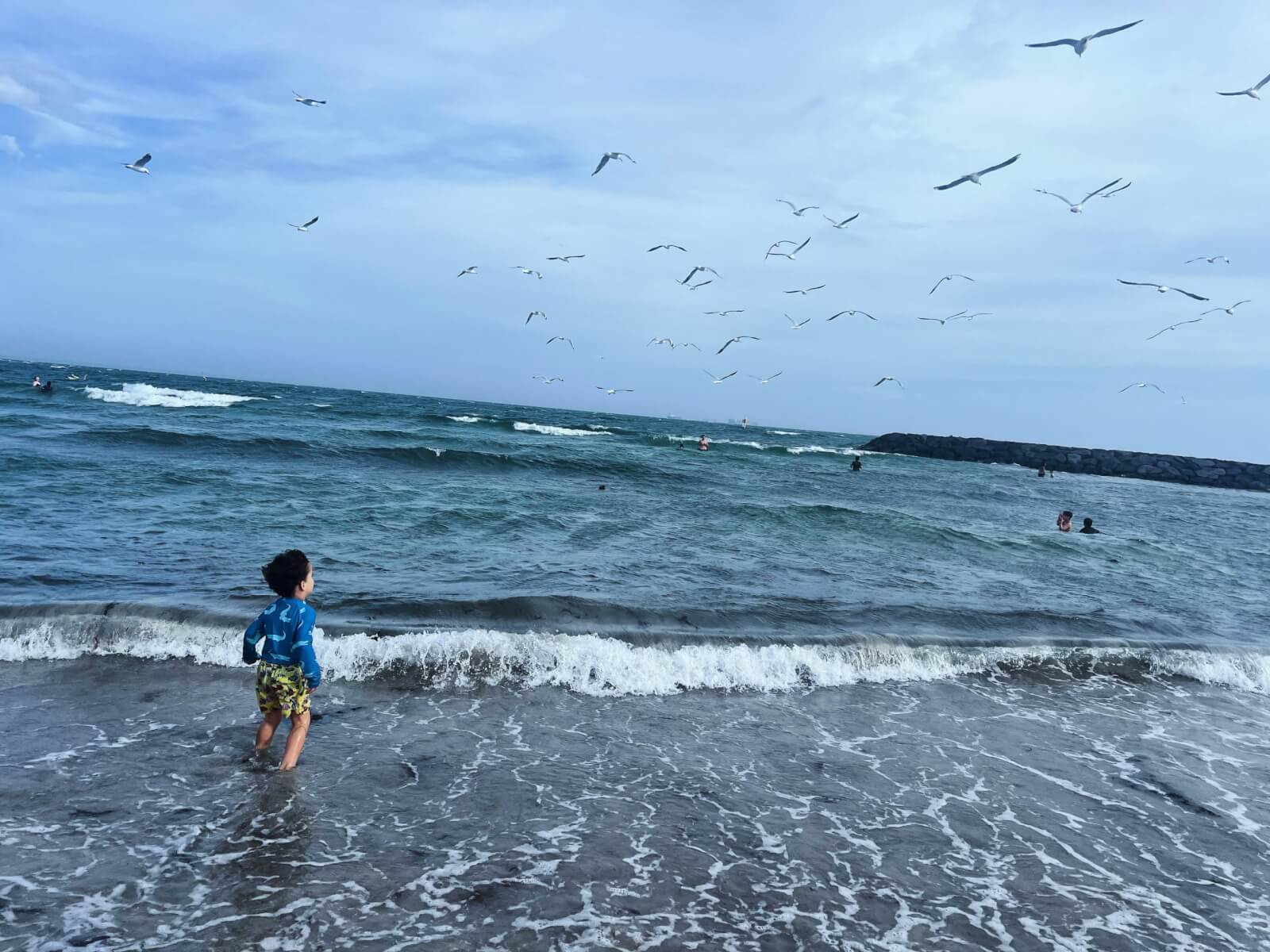
For many, these issues resonate deeply.
"I enjoy going to the beach and sitting by the poolside watching my kids swim. However, not being able to swim myself makes me a little anxious. If there were ever a safety issue, I wouldn't be competent in saving the day, and that deeply bothers me," says Shakun, reflecting a common concern within the community.
Shakun emphasizes that now is the time for the community to overcome its fear of water and "encourage swimming lessons, which is an absolute life skill."
“There is plenty of support for those willing to seek it. As South Asians, we must shake our fears of the ocean, swimming pools, and water in general and encourage our children and community to take swimming lessons, especially in Australia, where swimming is an absolute life skill.”
Shakun also highlights the importance of equipping children with essential water safety skills.
“My kids love the water, and I provide plenty of opportunities for them to enjoy the Australian beach boy lifestyle. To support them further, they have undertaken swimming lessons, which have taught them basic techniques associated with water safety, and they have also taken part in the surf lifesaving club Nippers program,” she says.

“My children attended swim school for four to five years. As part of their primary school curriculum, they have two-week swimming lessons each year. It is a fantastic resource and shows how education policy factors in physical activities are essential life skills,” she adds.
Shakun advises the community: "Always swim between the flags, avoid swimming on secluded beaches—especially if swimming isn’t your strong suit—and consider taking basic water safety training through swimming lessons.”
Why Must We Act Now?
Drowning remains a silent epidemic, claiming thousands of lives globally every year. It is often disproportionately impacting communities with limited access to water safety education. In Australia, where water-based activities are a way of life, the risks are exceptionally high for migrants unfamiliar with local waterways and safety practices. The statistics are alarming.
“Drowning rates in countries like India, Nepal, and China are 10-15 times higher than in Australia,” says Scarr, highlighting the stark disparities.
The World Health Organization reports that over 300,000 drowning deaths occur annually, making it a leading cause of unintentional injury deaths worldwide. Children and young adults are among the most affected, with most incidents occurring in low- and middle-income countries.
However, efforts are gaining momentum worldwide. India has launched a National Injury Prevention Plan that includes drowning prevention as a key focus, while Nepal is mobilizing researchers and policymakers to address the issue. In China, comprehensive safety campaigns are being implemented.
“While these initiatives may not directly influence drowning rates in Australia, they signal a growing international awareness of the need for prevention,” Scarr notes.
In Australia, the challenge lies not just in addressing cultural gaps but also in expanding access to life-saving education and resources. Recent studies indicate that only a small percentage of children from migrant backgrounds participate in formal swimming lessons, often due to cultural or financial barriers.
This leaves many unprepared for emergencies in rivers, beaches, or pools, which are standard settings for drowning incidents.
“Drowning doesn’t discriminate. While South Asian families are statistically at higher risk, the reality is that accidents can happen to anyone—sometimes it’s simply a case of being in the wrong place at the wrong time, even for experienced swimmers,” says Shakun, stressing the importance of equipping everyone with swimming and water safety skills, regardless of background.
To reverse the trend, experts stress a collective effort from governments, organizations, and local leaders. Australia must invest in targeted interventions, such as community outreach programs, subsidized swimming lessons, and culturally tailored water safety campaigns.
And the community must take a proactive stance, pledging to stay mindful of water and prioritizing water safety education for themselves and their families. The cost of inaction is too high—every life lost to drowning is a preventable tragedy.
Radha Mishra is a seasoned journalist with over a decade of experience in newsrooms. Now practising independently, she is passionate about covering issues that matter. She strives to deliver accurate and impactful stories to audiences globally.