Despite being one of the most diverse countries in the world, the start-up scene in Australia remains startlingly racist.
In 2021, then-Prime Minister Scott Morrison called Australia “the most successful multicultural country in the world.” The statement was met with a fair amount of derision, and Australians of colour replied by detailing the everyday racism that non-white people faced in Australia. When looking at the racism and lack of diversity in the start-up scene here in 2022, his words seem laughable.
Start-ups may have become one of the most exciting places to work in Australia today. They are growing at an immense rate, estimated to be worth $34 billion in Melbourne and Sydney alone. Some popular ones you may have heard of include Canva, AfterPay, and EatClub.
In addition to the promise of innovation, many start-ups offer flexible working hours, work-from-home opportunities, and small teams that allow for camaraderie and collegiality to grow. But these advantages are not always open to people of colour and more specifically to women of colour.
The numbers tell a stark tale: it is harder for women to secure funding for their start-ups than men, to the tune of 1 to 10. Historically, women are the least represented in start-ups. There are systemic barriers that cripple start-ups run by women because many start-ups depend on venture capitalist (VC) money, and there are very few women in VC leadership roles, which continues to stifle the flow of money to women-led businesses. Furthermore, women are still tasked with the lion’s share of household and child-rearing tasks, further limiting their ability to focus on their passion projects.
Where gender and ethnicity come together, we see South Asian women face even more obstacles along the way. They're often caught between cultural expectations of being a good wife and mother as well as other legal and financial barriers. It is estimated "two per cent of venture capital globally flows to female-led start-ups and only 0.2 per cent to women of colour, but 35 per cent of start-ups globally are founded by women and 36 per cent in Australia”.
In Australia, this kind of intersectional data is missing, which prompted Priyanka Ashraf, founder of The Creative Co-Operative, to change that.
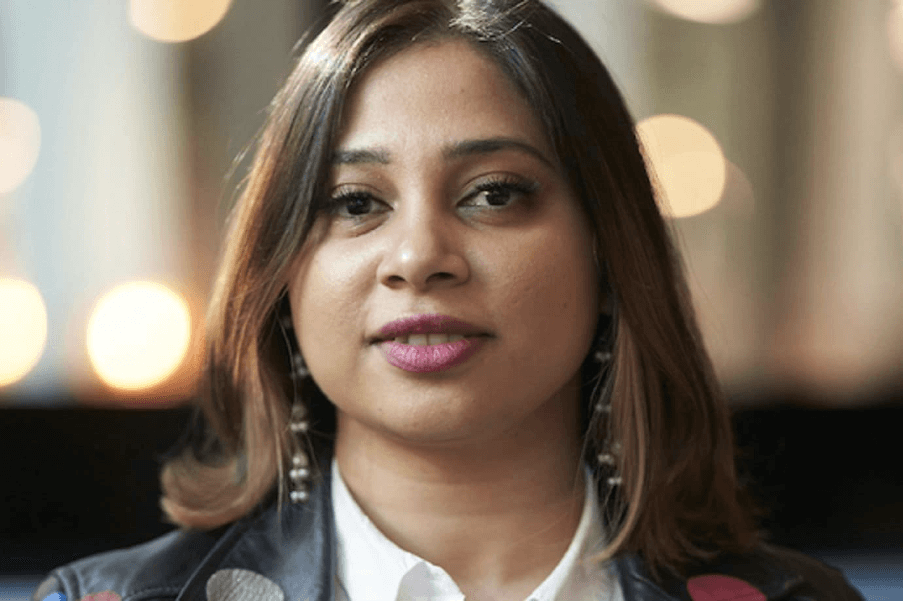
The report commissioned by the group found that despite a record increase in the amount of VC funds being raised in Australia in 2021, an eye-watering $10 billion, just 0.03 per cent went to Bla(c)k women and women of colour founders.
So, what’s going on?
Race and gender in the start-up world
Arjun Agarwal is a humanitarian entrepreneur and is currently the co-founder and CEO of Inaam Impact Investments, which aims to equip young people who are new to investing. His years of experience in the start-up scene have led him to understand one simple fact:
"Being a person of colour is the biggest barrier to getting into the start-up space in Australia”
He goes on to share a personal story where he was invited to an investor roundtable session with about 100 million dollars at stake - and he was the only Brown person there.
He also points to another insidious problem — the intersection of being a non-white migrant and race. One potential investor had absolutely no issue with the product they were building or his team's ideas but only said "what do you know about the Australian market? You’re not from here?”
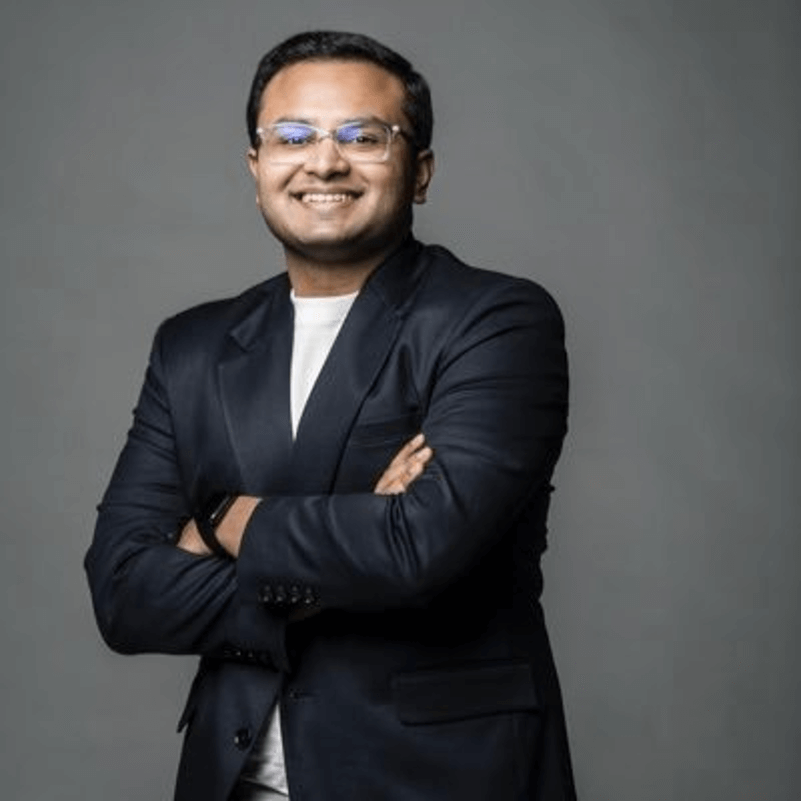
The racism Agarwal experiences is absent for white migrants. Research indicates white people from Europe and America don't face barriers to employment or funding that Brown and Black immigrants do in Australia.
Race and ethnicity continue to play a foundational role in whether people of colour are allowed into these spaces or given the same funding white entrepreneurs find so easy to access.
While this can be disheartening, it has not stopped many South Asians in Australia from kicking off their own start-ups. Heena Bawazir is the CEO of Indigoz, Australia’s first multi-brand Indian fashion store showcasing modern South Asian designers. Her career started as a recruiter which spanned across global tech companies and one of the major startups in Australia. She recently launched her own start-up with her sister, hoping to build diverted team from scratch.
Bawazir comes from India and feels Australia is more inclusive in comparison when it comes to gender diversity. She recounted how in India, women were asked to declare their marital status at interviews and finished by calling Australia heaven. However, she did raise one of the most pressing problems facing the start-up industry is that while young millennial founders are passionate about diversity, the focus on diversity is often limited only to gender. There is little effort to add racial, ethnic, or linguistic diversity to the team.
The privileges of whiteness mean it is white women who are more present in these spaces and have access to the money, as little as it is for women.
Bawazir also points to the patriarchy in South Asian communities which inhibits South Asian women from pursuing these opportunities. She believes that encouraging girls and other under-represented groups to choose an entrepreneurial career starts at home with parents, schools, and universities, who should support the "one girl in the engineering classroom". Bawazir believes there is much room to grow and reason to hope that start-ups in Australia will become not just gender diverse but racially diverse as well.
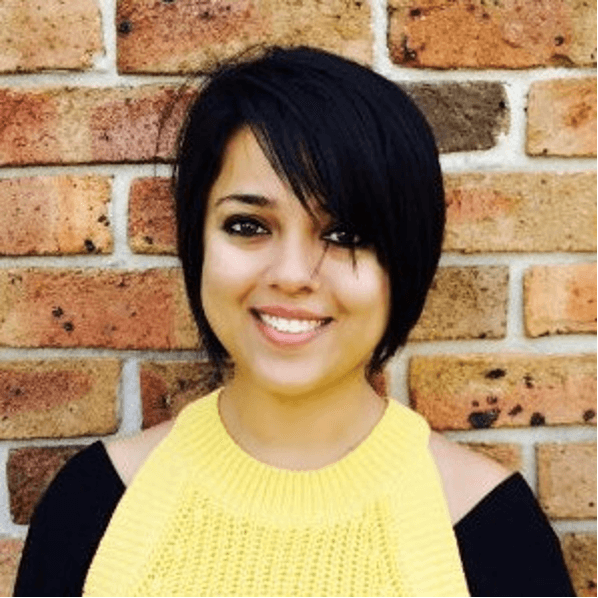
And Agarwal believes education about start-ups and entrepreneurship is sorely lacking in the South Asian community. He believes in the need to inform South Asian investors about start-ups as a viable asset class which is a massive barrier to securing investment. He also believes "more South Asian voices (are needed) to help direct the flow of capital in our direction".
The issues are pressing, but what are the solutions?
What can Australian start-ups do?
Bawazir’s first tip: check your unconscious bias. “Humanity is connected more than ever but we have catastrophic problems," she says. Research shows diversity adds to the workplace and companies that "use diverse talents to solve diverse problems" always do better.
The second thing start-ups can do is broaden their definition and understanding of diversity. "Diversity is not an invitation to the party, it is dancing together," she says
Start-ups desperately need to change the way they recruit and look at how to retain talent after hiring instead of simply focusing on getting diverse talent into the workplace. It is more than numbers or how many people work in any given space but is about giving diverse voices a seat at the table or decision-making process.
Bawazir ends with this zinger: “This is not rocket science. Work together!”
In my years talking to companies about diversity as diversity and equity consultants, I’ve seen and heard all the excuses for why they can’t (meaning: won’t) hire ethnically diverse candidates. It all boils down to this issue: white stakeholders in Australia are terrified of losing their power and hegemony over the system but in a changing world, these organisations have no choice: they either keep up or die out.
In the end, diversity and anti-racist training are not just about making workplaces more accessible and safer for people of colour - it is for everyone’s benefit. As Agarwal declares: “investing in people of colour is good for people, planet, and profit”.
Sangeetha Thanapal is a writer, activist and anti-racism trainer. Her high school teacher told her mother to stop her from reading so much; it didn’t work. The reading turned into writing, which then turned into her whole life.
Her fiction and non-fiction work has been published in Djed Press, Fireside Fiction, Eureka Street, Wear Your Voice and many more. She is presently working on her first novel, We, The South, an epic fantasy adventure set in medieval India. You can find her everywhere as @kaliandkalki.