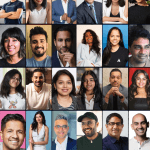
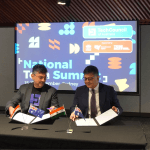
One of the biggest taboo topics I have seen within our South Asian community is failure. We avoid talking about failure at all costs. But refreshingly, I found myself seeing South Asian speakers and South Asian attendess at this year's Social Enterprise World Forum, which took place right here in my hometown of Brisbane last week, be both vulnerable and open to that conversation.
Social enterprises are businesses that trade to intentionally tackle social problems, improve communities, provide people access to employment and training, or help the environment. Research by the Centre for Social Impact in 2016 estimate there were at least 20,000 social enterprises in Australia, and that number has definitely grown.
As I was surrounded by social entreprenurs at the World Forum, it was cathartic to hear story after story of social entrepreneurs of all ages who had a burning desire to combine their business pursuits with their personal drive for social justice, but had eventually tried and failed quite miserably. I found that I connected most with many of the South Asian speakers who openly admitted that they were considered “successful” by their peers, but not by their parents, and had to work through their own flaws before attempting to make change in their wider communities.
Three inspiring South Asian social entrepreneurs
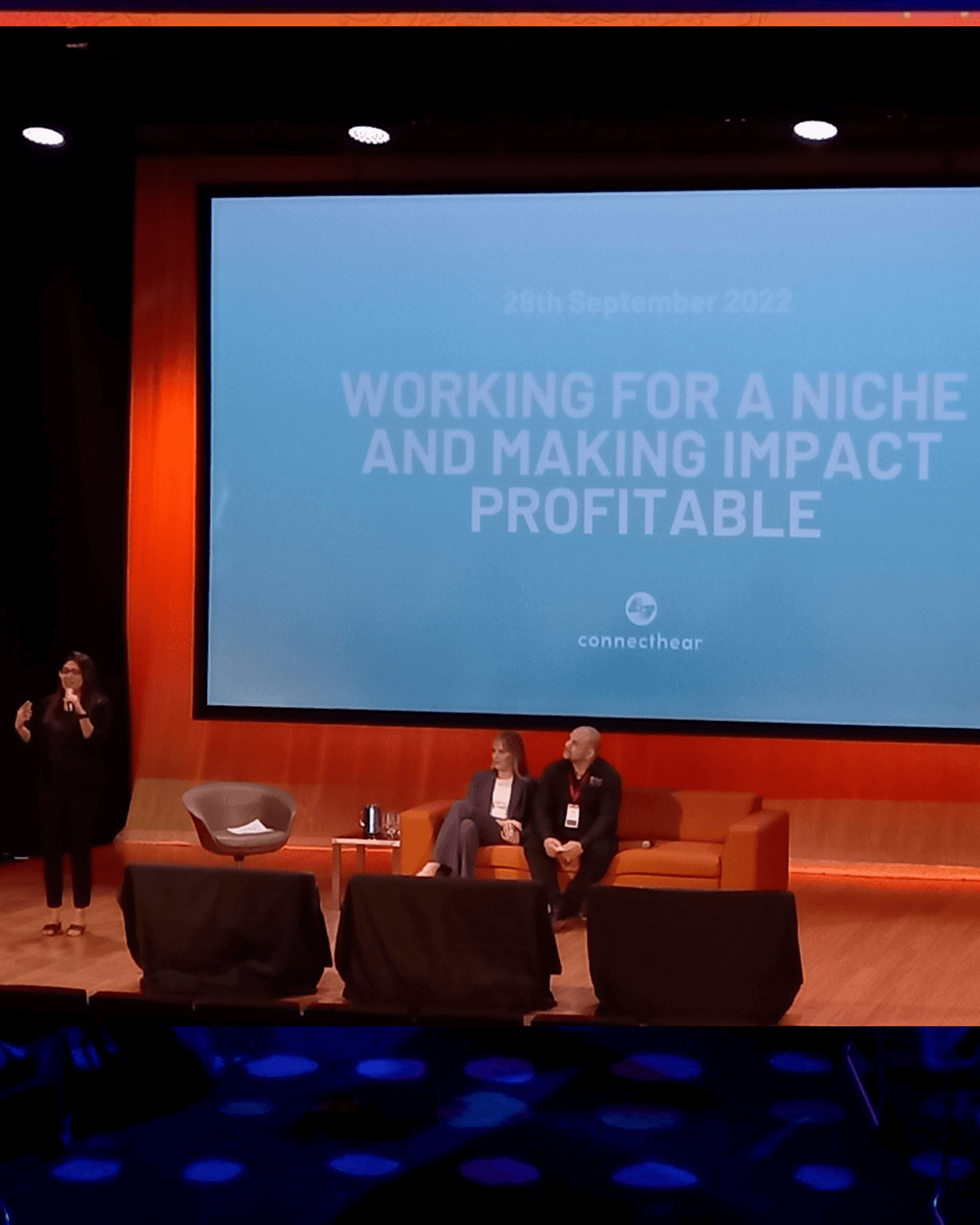
I was inspired by Azima Dhanjee, CEO and Co-founder of ConnectHear in Pakistan, who confessed that being the child of two deaf parents was a struggle. Despite growing her social enterprise of app-based sign language assistance to international heights and being recognised by the Prime Minister of Pakistan, she “hoped her parents were proud of her.” Speaking to the theme of excellence and failure, one of the five specific themes outlined at the Forum during the week, was both palpable and personal for me during Azima’s session.
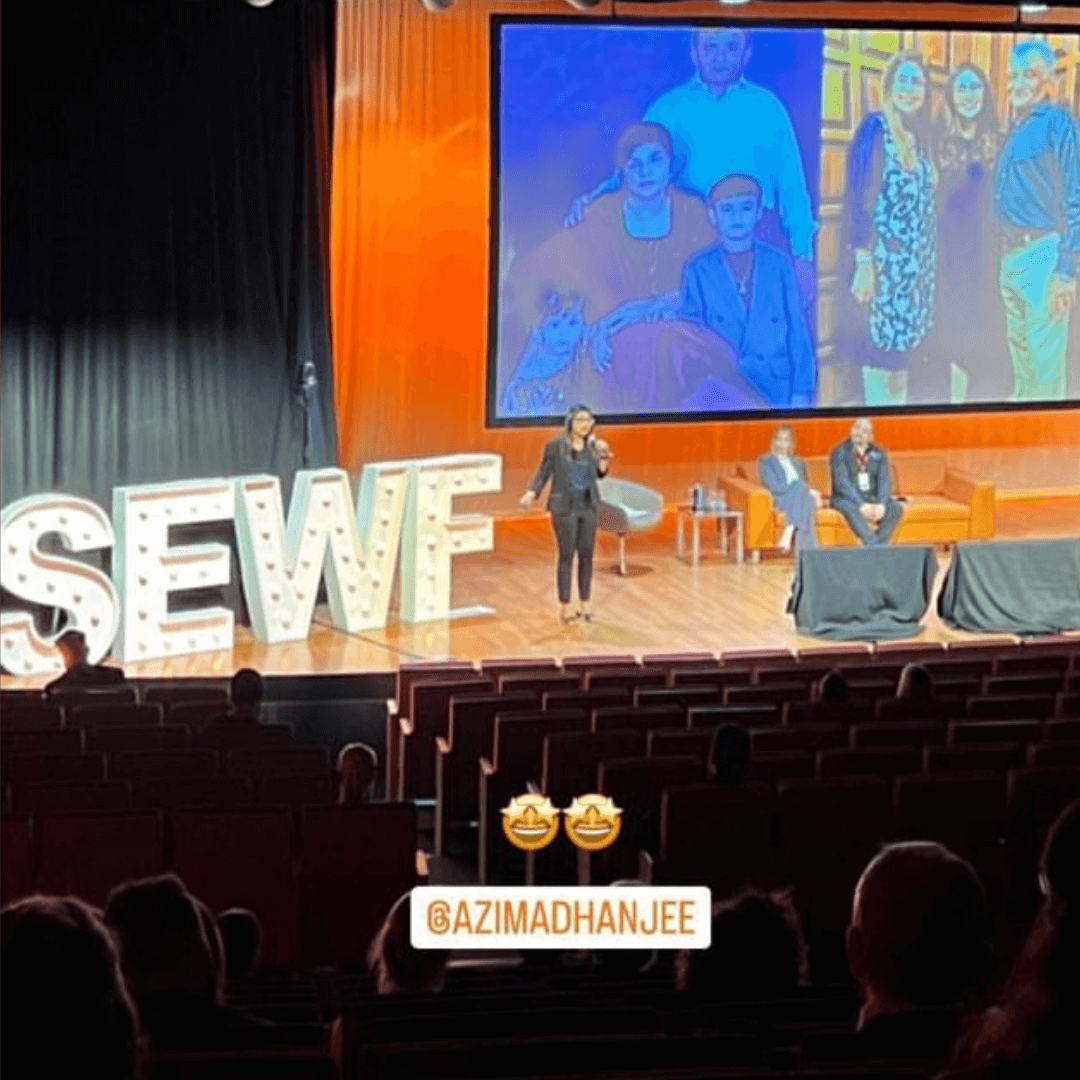
Bringing together the combination of business and a social impact “for good” might seem like an unlikely match, but this was precisely the kind of work I have personally been interested in, despite having never defined my career pursuits according to the term social enterprise. From my own research, I have found that there is no single agreed-upon definition when it comes to how individuals choose to pursue social enterprise, and this was a shared sentiment across the Forum. But one thing everyone could agree on is why they pursue this type of business - for the good of community.
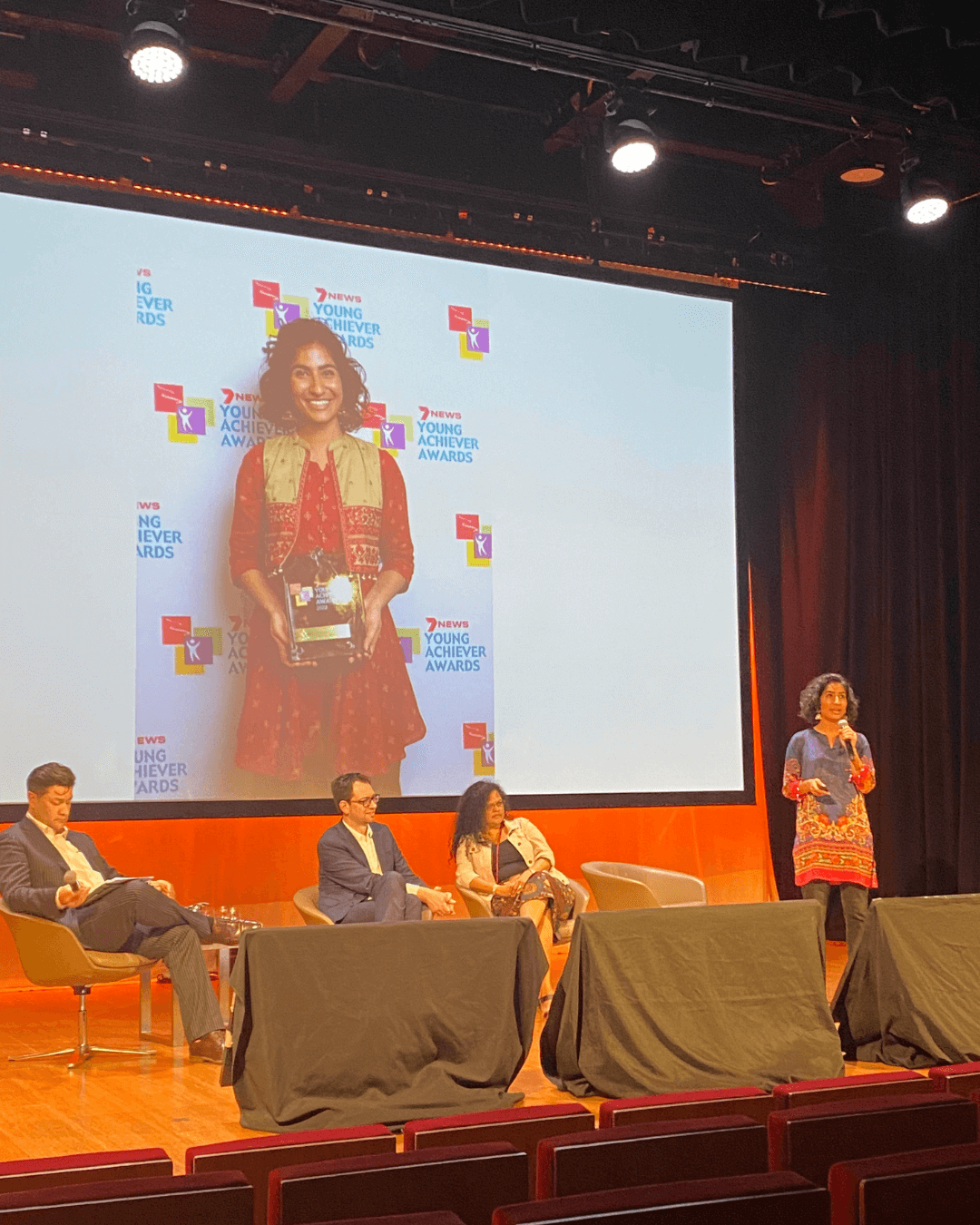
In a session featuring Mariam S. Mohammed, a passionate founder of MoneyGirl and now 'fierce advocate' at Super Fierce, a social enterprise teaching women how to manage money better, she described her lifelong desire to return to her home country in South Asia to teach others what she had learned through painstaking trial and error. The migrant mindset of turning your side hustle into your daily grind was not something to shy away from, according to Mariam, but something to be embraced.
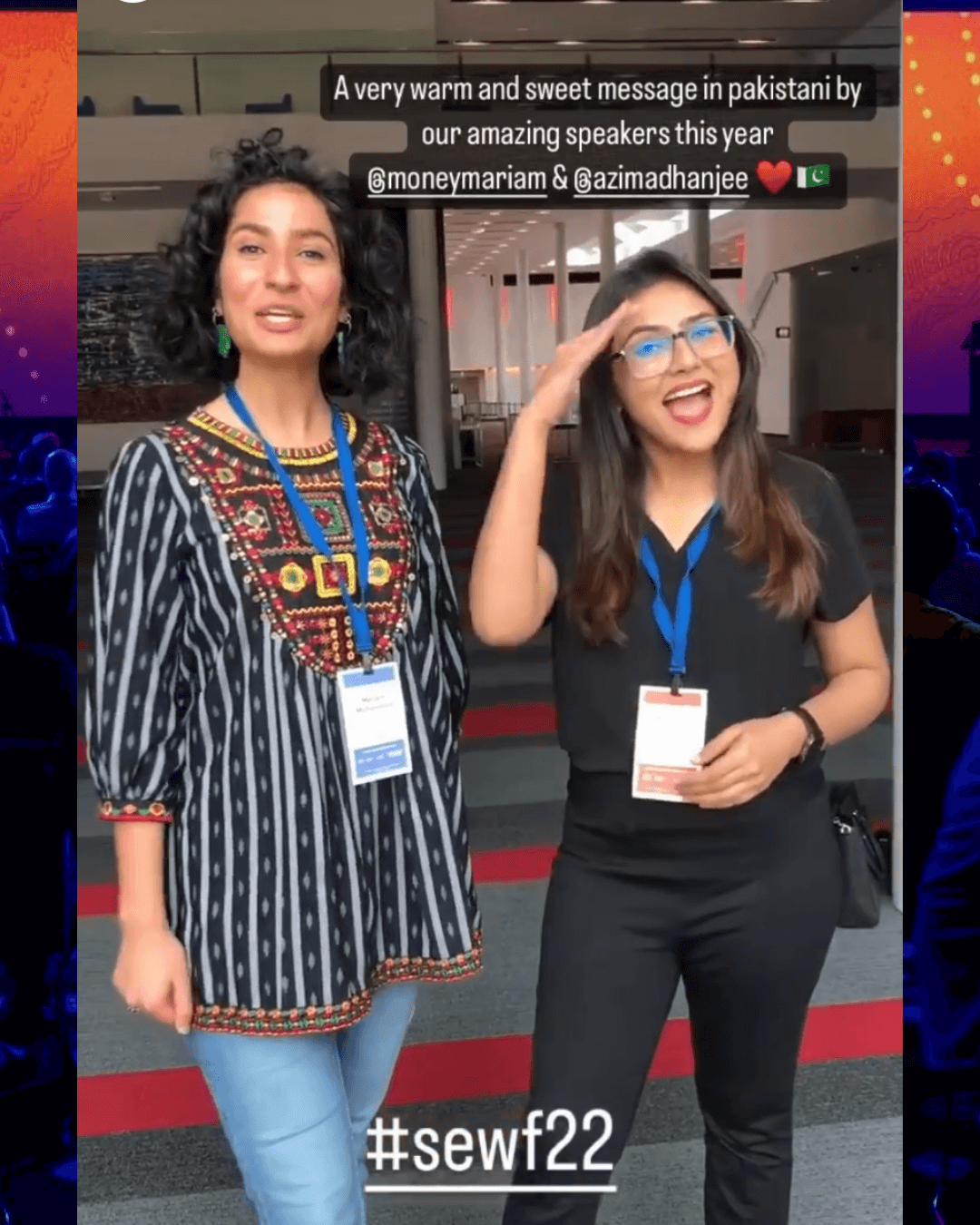
Being part of a purposeful community has been a central part of my existence for as long as I can remember. In particular over the past several years I have been part of the community of Global Shapers, part of the World Economic Forum. The Global Shapers young professionals hubs work across major cities and locations across the globe. As I walked the corridors of the Social Enterprise World Forum, I bumped into young, emerging South Asians leaders who were also Global Shapers and we shared memories, moments, meals and mugs of chai in conversation.
One of the featured speakers at the World Forum who is also a Global Shaper was Usman Iftikhar. He's a self-described migrapreneur - migrant entrepreenur, originally from Pakistan, and the founder of migrant and refugee startup accelerator Catalysr. Usman facilitated an inspiring session on the impact of refugees and migrants in the local community, and how they were able to speak to their own journey in the social enterprise movement. I was struck by the humility of the migrant and refugee founders who had encountered so many setbacks along the way, including being labelled overqualified, illiterate, or outsiders in their attempts to be part of Australian society. Yet despite these challenges, each one had found their own way to build their own business as a platform to help others to follow in their footsteps.
A reflection from today's moment on the journey
On the final day of the World Forum, I retreated to the “quiet room” in the convention centre where I had a few moments alone to reflect. I realised that there had been many times in my own life where I had been able to find inspiration to assist others, but had not realised it, even going so far as to dismiss such learnings as moments of weakness, rather than finding joy in the journey.
In remembered my broader journey to the World Forum and the social enterprise sector. Years ago, a social entrepreneur had approached me to write a few articles for her online platform. Being an introverted writer, I put together a few feature posts, not really knowing where it would lead. Some time later, the founder Murray Galbraith reached out to me and, sensing my deeper passion for creating creative content for cultural communities, asked if I would take over the helm of the social enterprise. To be completely honest, I was lost for words.
But I said yes.
Today, this social enterprise SolveSquad has grown from its humble beginnings running South Asian-led virtual cooking classes to growing its impact and becoming a partner with other organisations founded or run by South Asian Australians, including Oaktree and the Australian South Asian Centre. In looking back, I can now see how this 'yes' was the catalyst for the impact I've made and it led to me being invited to attend the World Forum in Brisbane, to finding my place standing firmly and proudly within the social enterprise movement.
I've had many moments of doubt or failure along my journey. Despite failing to fully embracing the capabilities of what a social enterprise looks like, and its impact on my life and the lives of others, I have come to find solace and energy in community. I've learned about my ability to create meaningful change and how to make a difference in the lives of others. Most importantly, the World Forum showed me I'm not alone - in my desires for impact, in my celebrations and most importantly in my moments of failure. Looking back from the present, full of a conference-high, I feel the sense of extreme reward and revel in the many “pinch-myself” moments I've had. By staying the course, I'm now in a place where I can say I wouldn’t have traded my journey for anything else.
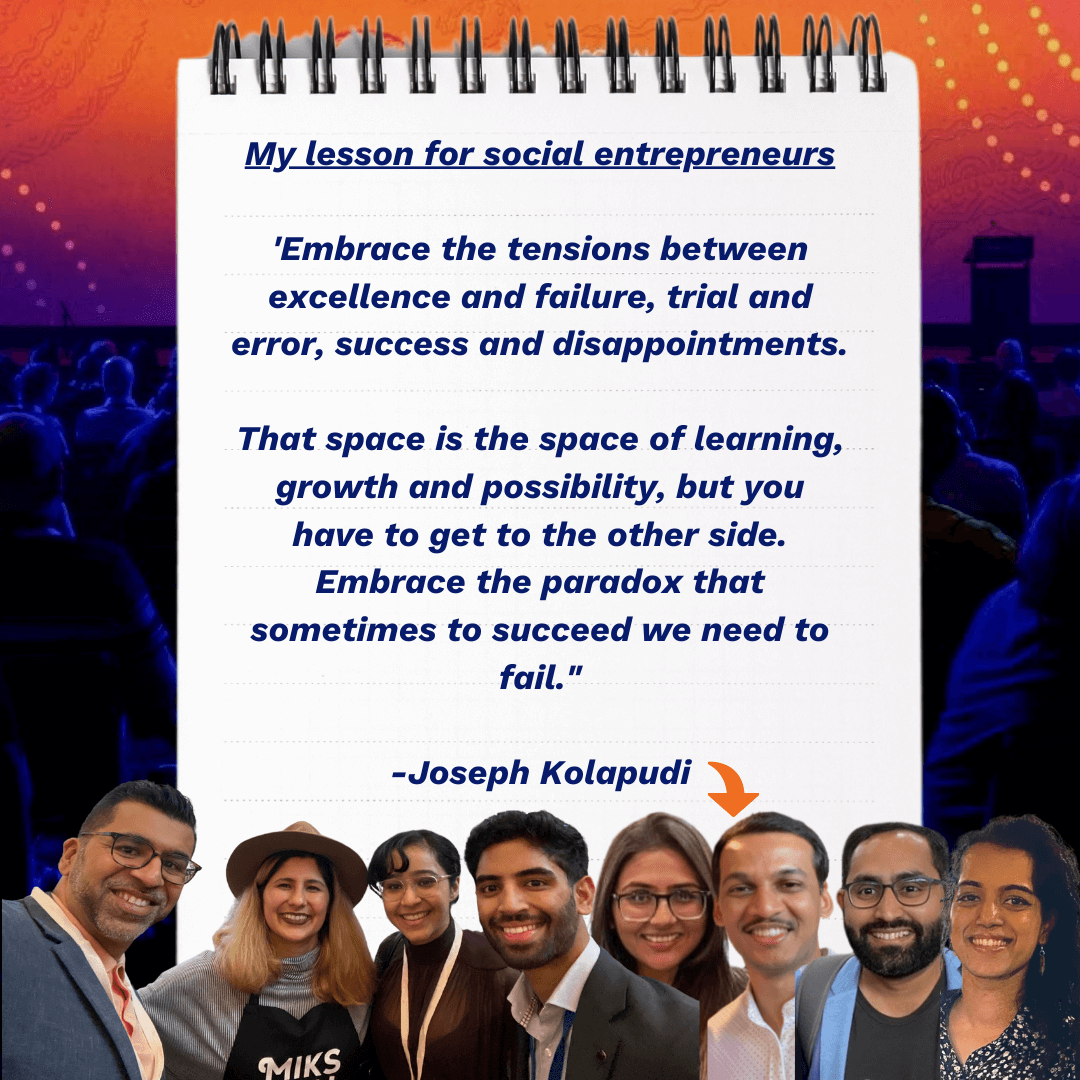
My lesson for the social entreprenurs out there is this: Embrace the tensions between excellence and failure, trial and error, success and disappointments. That space is the space of learning, growth and possibility, but you have to get to the other side. Embrace the paradox that sometimes to succeed we need to fail. It will lead you to a meaningful reality in which you can see, as I have, role models from our own cultures, and finally find a feeling that you fit in, and are part of a community that is sparking a global movement of change.
Joseph F. Kolapudi is a Brisbane-based writer. He is a Director at ReachAcross, a Multicultural Ambassador for the Mental Health Foundation of Australia, a Board member of Australian Refugee and Migrant Care Services, and was nominated as Young Community Achiever of the Year in the India Australia Business and Community Awards 2020. Joseph was SAARI's first official writer, and is a passionate changemaker.