Billions of households are getting ready for Diwali and waiting with excitement as the festival of lights is just around the corner.
Modern-day Diwali is not only religiously significant but also celebrates the spirit of goodwill and happiness that fills every home.
As the preparations, which include cleaning, shopping for new clothes, preparing sweets for friends and family, and also decorating the house take place, it is essential not to forget the meaning of the festival, which is the triumph of good over evil.
As the modern world is going through the challenges of climate change, waste stockpiles, and air pollution, making sure that Diwali is sustainable and environmentally friendly should be our mission.
Today, we want to assess the best way people can celebrate their traditions with a twist and also other resources they can use to make this festival a better place for the world.
Diwali or Deepavali is a Hindu festival that celebrates a triumph of light over darkness. Depending on where you live in India, there are different interpretations of the festival all over the country.
In North India, Diwali is the day Lord Rama returned to his birthplace Ayodhya after completing his exile of 14 years and defeating Ravana - the king of Lanka.

In some traditions, Diwali celebrates Ram coming home from exile after defeating 10-headed Ravana.
Preferring the term Deepavali, people in South India celebrate the victory of Krishna over the asura (demon) named Narakasura. The day is also known as Narak Chaturdashi.

Check out the YouTube version of this Tamil Diwali story. Bad animation, but fun English subtitles.
Ever since I was a kid, I would spend most of October deep cleaning the house. I would find things I thought I had lost forever. I would also clean things that I didn’t realise could even get dirty like the back of a shoe cabinet!
Cleaning in Diwali is essential as Hindus believe Laxmi, the goddess of wealth and prosperity resides in cleanliness. So by cleaning the house, they are inviting the goddess to their humble homes to bless it.
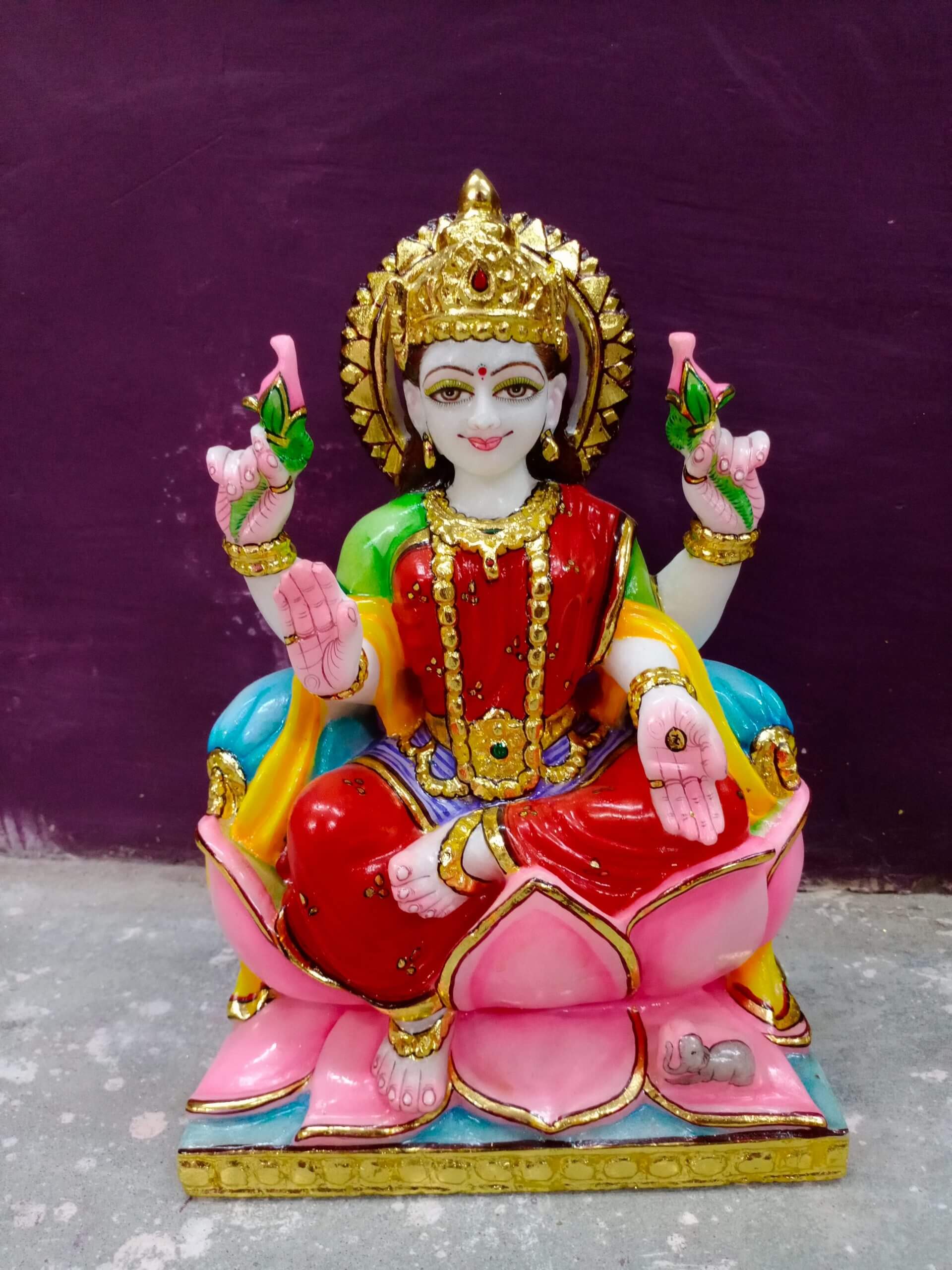
Laxmi or Lakshmi is the Goddess welcomed into a clean, brightly lit house. Image credit: Vivek Sharma.
I have seen Diwali now grow more than a Hindu festival. People from many faiths and cultures also celebrate it. As this festival grows, the traditions around it advance as well.
Homes light up with diyas on this day while the entrance door to the house is decorated with rangoli colours and beautiful flowers.
However, as we move forward with this decade, we have a glaring issue- a problem that affects everyone and will only get worse: Climate Change.
This joyous festival of light puts a heavy toll on the environment. Crackers pollute the air, and post-festival waste harshly affects the environment.
The best way to enjoy the festival is to go sustainable this year. Start with changing small thinking like wrapping paper used for gifts to using eco-friendly decorations.
Instead of just wearing new clothes this Diwali, let’s also start with a new mindset. Let’s focus on being sustainable this Diwali.
Rangoli colours
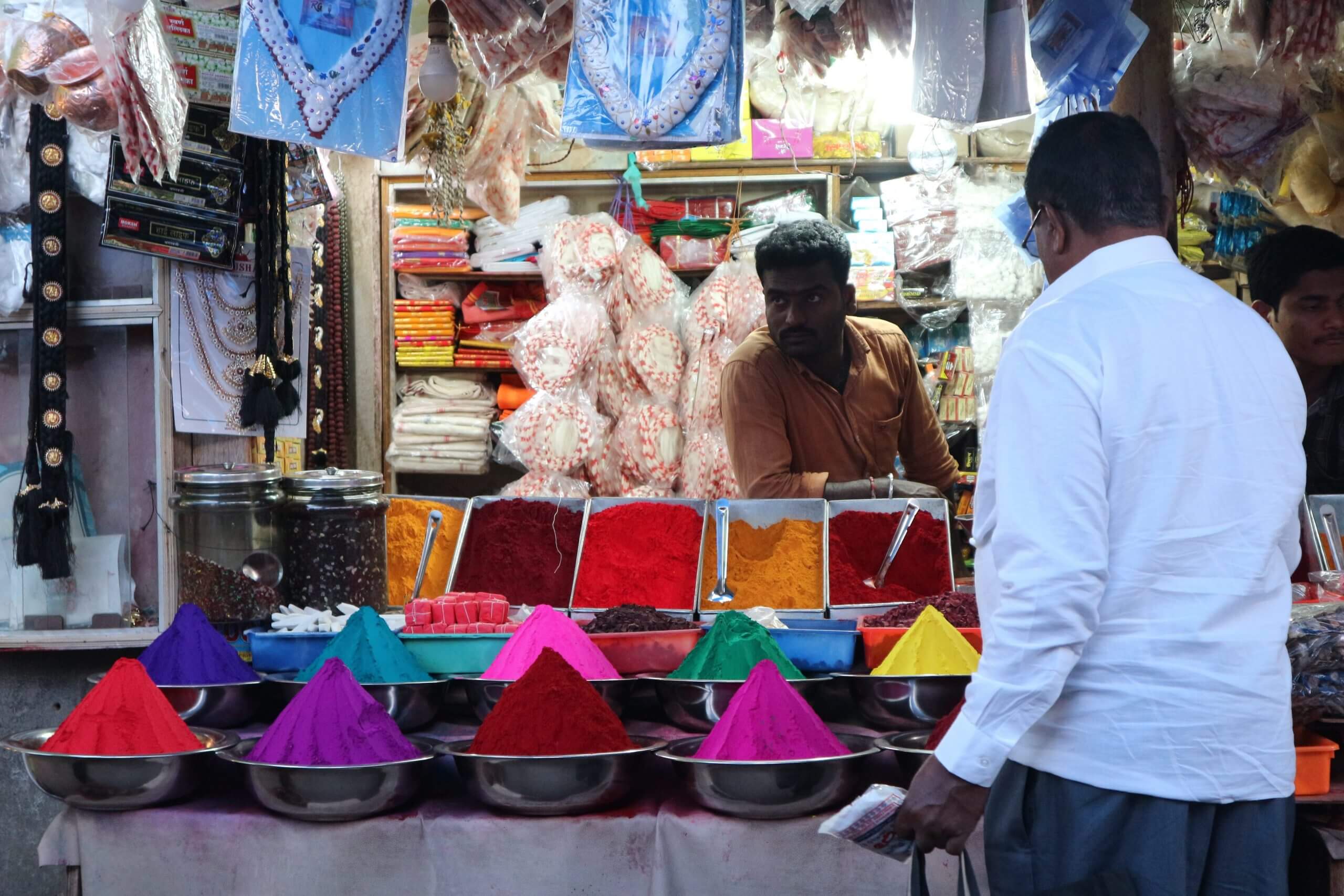
Shopping for rangoli colours. Image credit: Rizki Oceano
Usual rangoli powders and colours are made of synthetic material and often contain harmful chemicals like mercury and lead. These chemicals are extremely toxic to kids and pets.
Additionally, when washing them off after Diwali, these toxic chemicals make their way through our waterways further polluting the environment.
The Internet is filled with tutorials explaining sustainable ways of making rangoli colours. The most famous ingredient is rice. Simply grind the rice, and after a few minutes, you’ll get pure white powder.

Beautiful, intricate and sustainable rangoli designs are pretty and guit-free. Image: supplied.
If you are more into wet colours, you can simply add a few drops while grinding your pigments till you get the consistency you desire.
If you prefer colourful rangoli, you can use natural ingredients to get that brightness. Use turmeric, flower petals and green herbs. Choose from several natural colours like flower petals and turmeric to get those beautiful colours for your rangoli.
Decorations

Cow-dung made Eco Friendly Diyas from their Facebook store
As Diwali nears, Indians and the Indian diaspora will light their homes with candles and diyas.
Store-bought candles are often dangerous and when lit emit two chemicals also found in diesel- benzene and toluene. The two chemicals are cancerous and polluting for the environment.
A healthy alternative is making your beeswax candles. Organic beeswax is easy to find in your local convenience store.
For a beeswax candle, you need some beeswax and coconut oil. You can use any type of glass container at your home like a mason jar. If you wish to use stainless steel, be careful as it can get really hot while the candle is burning.
Never use plastic containers as they can not sustain the heat and will melt. Plastic containers are also a bad option for a sustainability project.
You can get the full tutorial here.
Another way to brighten up your house is by lighting diyas. You can make your diyas at home. This tutorial can teach you to create pretty diyas with ingredients available at home.
For your ‘do-it-yourself’ diyas, you need minimal effort and whole wheat flour (atta). Simply shape your atta dough in the shape of a diya using the tutorial and bake them in an oven.
They are eco friendly and will collaborate with your oath of a sustainable Diwali.
Gifts
Gifting on Diwali is an old tradition and one of my favourites. I love receiving gifts!
It might sound new, but you can give eco-friendly gifts to your friends and family. This includes unique pots made of atta dough or clothes from sustainable homegrown brands.
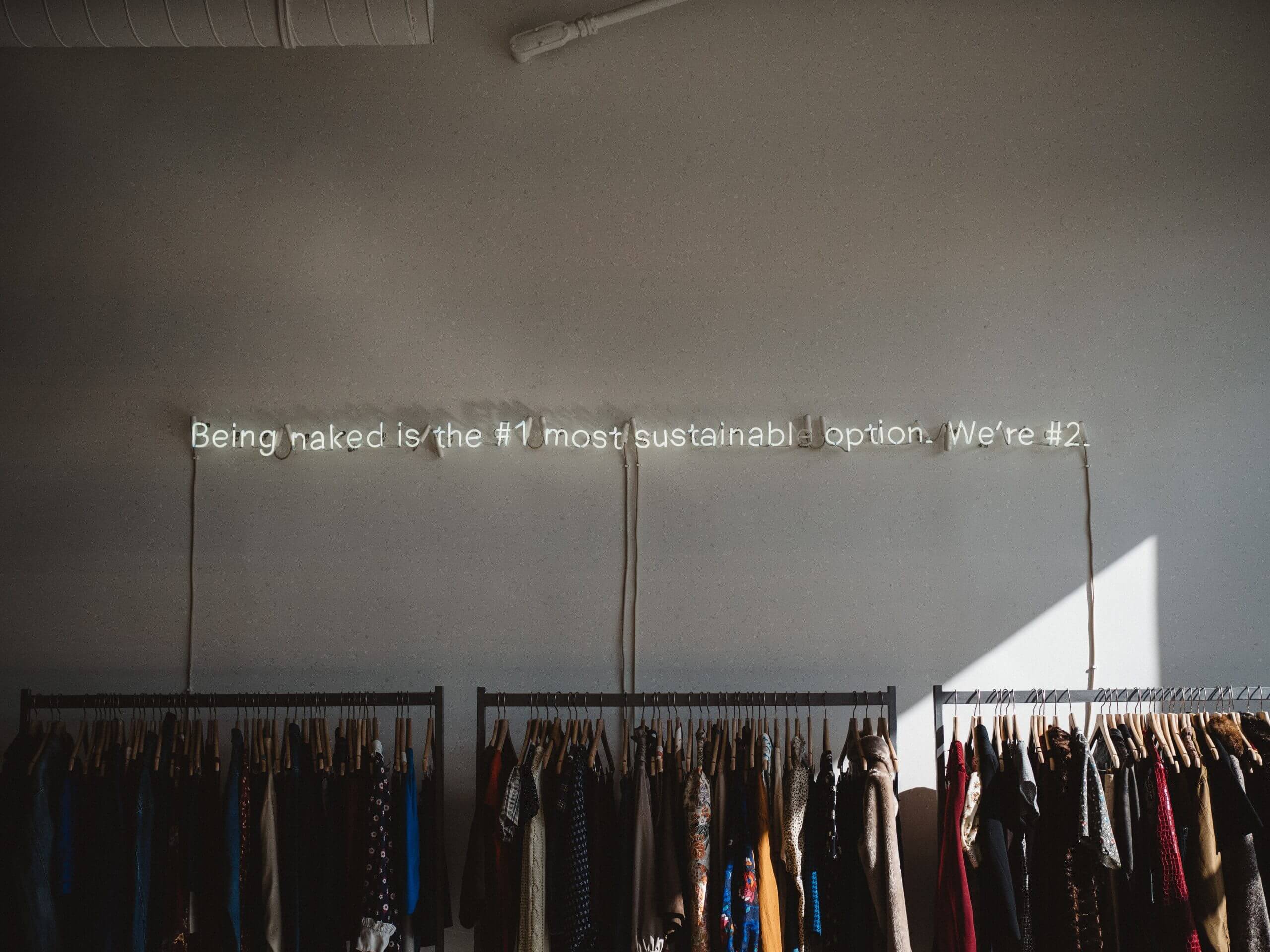
Sustainable clothing is widely availalbe. Image credit: charles-etoroma.
Trending these days are fantastic eco friendly and sustainable beauty brands like Wanderlightly, a plant-based beauty shop. If you are interested in creating sustainable products, they hold workshops.
After you have decided a gift, there comes the wrapping. It is a small aspect of gifting but going sustainable here is very beneficial for the environment. A healthy alternative would be to use newspapers to wrap your gifts.

Swedish newspaper wrapping is very vogue. But why not try your local Aussie variety? Image credit: Etsy
If you use the newspaper creatively, you can come up with beautiful and hip wrappers.
In reading about sustainability, it seems obvious enough even to say - do not use firecrackers. Apart from polluting the environment significantly, they also scare and harm animals and pets.

Image credit: No one should have a dog this sad. Dont use fireworks.
Choices - What you wear is how you act
Buying new clothes is culturally significant in our community during Diwali.
But have you wondered if the clothes that we wear are good for the environment?

Those pots look a lot more sustainable than that saree. Image credit Vivek Behgel
As part of growing up, I always saw silk being worn by people as a symbol of royalty while attending functions and during festivals like Diwali.
However, according to the International Wool Textile Organisation, signs of degradation appear in silk after about four years, making it extremely unsustainable for the environment.
These days, sarees are being developed using yarns of natural fibres extracted from plants such as jute, bamboo, banana, hemp, aloe vera which provide unique environmental quality that make them nature friendly.
According to a study, jute fibres are 100% processable, and there is no window of wastage when you yarn a saree out of this fabric.
Cotton too is comparatively a more environmentally friendly choice, which has been worn by our ancestors for the past 5000 years. Today, it is more prominent than ever that we follow in their footsteps. Clothing brands like No Nasties utilise Fair Trade certifications and manufacture organic and vegan clothes with little impact on the ecosystem
In terms of jewellery, many Indian brands such as Baka Jewelry are leading voices in reclycing or sustainably-made wearables.

You can also find recycled Indian jewellery made by brands such as Ba no Batwo and Ananda Soul Creations offers gemstones, blessed by priests, which are handcrafted and also ethically sourced.
You can also ask any local jeweller if the jewellery has a fair trademark or a Fair Minded Certification to know if it is sustainable.
Clean not only your house but the environment around you
Cleaning, a household activity that I'm sure my family is not the only one part of during Diwali.
The problem with products such as bleach is that it is a contributor polluting our air, primarily when factories use chlorine bleach which releases toxins in the air during the ventilation and exhaust processes.
Another problem in Australia is that cleaning products are not required to disclose a full list of ingredients, making choosing a safe product very challenging.
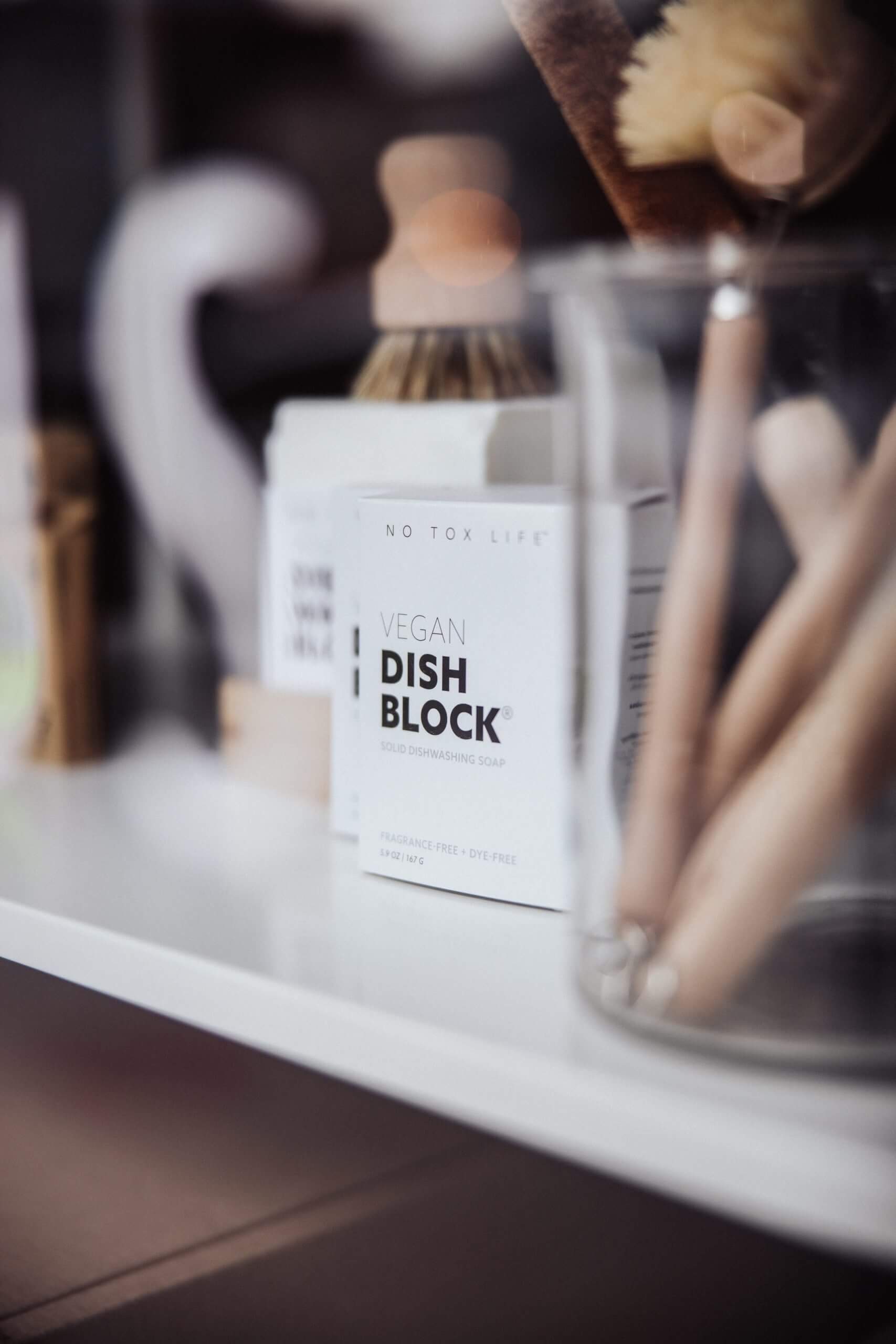
You can clean in a vegan way even if you eat meat. Image credit: Logan Weaver
Suppose a green cleaning product is equally effective as a conventional one (which they totally are!). Why would you want to clean your home with products containing labels such as "WARNING!" or "TOXIC CHEMICALS!" anyways?
For me, an eco-friendly cleaner is a non-toxic one, derived from natural and organic ingredients and most importantly is biodegradable.
When it comes to cleaning products, most of them get into our waterways, think dish soap and detergent, and I want to make sure that they break down quickly.
Biodegradability is essential when it comes to cleaning products because many of our products get into our waterways, think dish soap and laundry detergent. I want to make sure that my products are going to break down quickly and not hang around forever.
Companies like Koala Eco and Planet Luxe are currently selling a whole lineup of products which use all-natural locally-sourced cleaning agents that are biodegradable. These products can be found at your local retail store or ordered online.
Resparkle is another company that uses all-natural cleaning products, but are also committed to reducing plastic waste with their reusable bottles and aluminium refill pouches. These pouches then help create something more useful, such as a playground.
However, if you want to save money and effort, the best sustainable cleaning agents are already at your home!
My mom has been using white vinegar to remove dirt stains from places and clothes for ages. Cutting a lemon up and using it on stains has been an Indian tradition in every Indian household, and these days bi-carbonate soda works just as well.
These home remedies can save you a lot of money, and are also sustainable ways to clean.
Eating Healthy, Sustainably and Local
What we eat has changed the planet. Across the globe, forests have been devastated to make space to grow crops, while our oceans too have suffered.
Food production is the most significant driver of wildlife loss and a quarter of greenhouse gasses emissions are associated with food.
This Diwali, you can try a new way of eating sustainably while also protecting the environment.
As holy festivals go, people usually eat vegetarian food, however even as vegetarians, sadly, 75% of our local consumption comes from just 12 plants and five animal species; so diversity of eating is the key.
I remember as a child growing up in India; my mom used to always cook "Bhindi" or a typical Maharashtrian dish called "Misal" which uses Green Gram beans.
There are a lot of dishes that we have not made in a long time, due to our daily life stresses, why not cook something unique this Diwali?
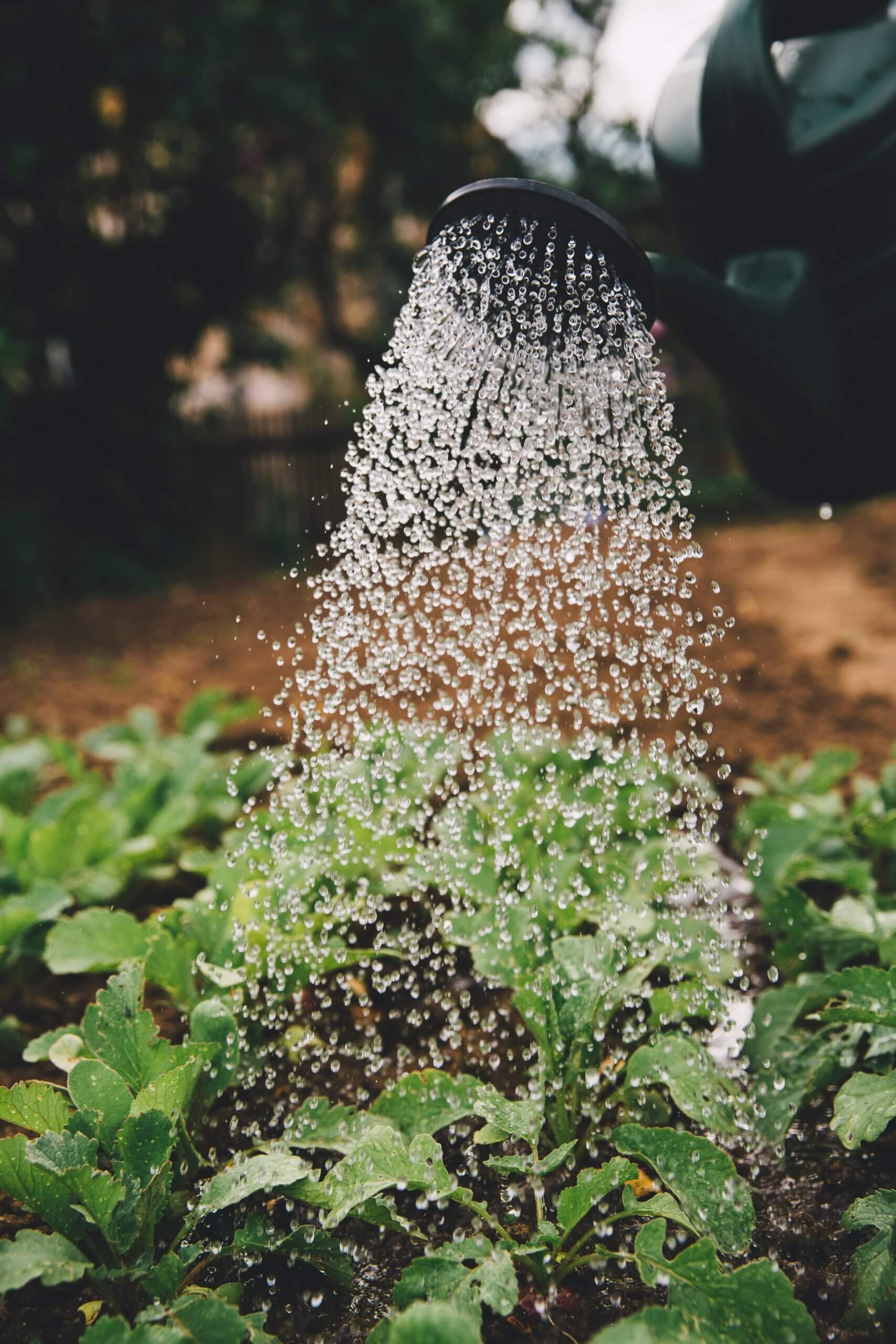
Try planting a garden as your Diwali present to yourself. Image credit: Markus Spiske
A better initiative would be to plant your garden. For the last two months, I have been growing fresh coriander and parsley. The pot cost me around 15$ and the seeds were as cheap as 0.5$ for 200 sourced from Bunnings.
Having a herb garden not only saves money, but it also creates a sustainable way of eating.
You can also download an App called Yuka, which helps you decide if the product is sustainable by just scanning a barcode. It shows you the carbon footprint of the product and also how healthy the product is.
Organic/Sustainable Gifts
During Diwali, it is usual to visit families and friends, and no visit is fulfilled in an Indian household without sweets being gifted and offered. Lately, chocolates have been a more eco-friendly option, but not all chocolates can be considered sustainable.
Make sure that you buy Fairtrade chocolates with no palm oil. Palm Oil grown under unsustainable conditions is a cause of exploitative practices and forced labour.
So buying Fairtrade chocolates ensures that you are taking a stand against deforestation, human trafficking and also exploitative work wages. Many stores such as Aldi, Coles, Chocolatier Australia sell these fairtrade chocolates.
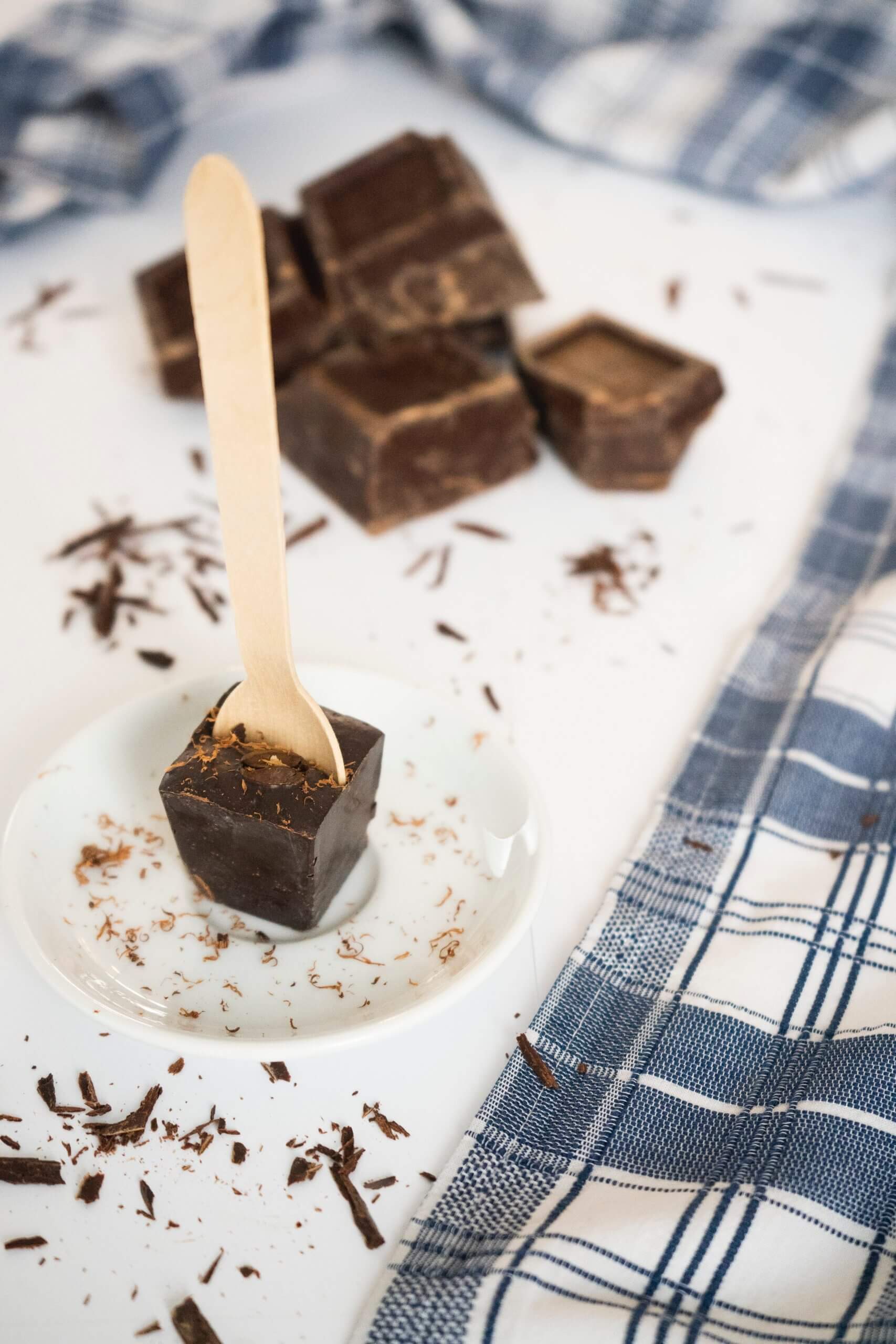
If it looks like, smells like and tastes like real chocolate - it is real chocolate! Just ethically produced. Image credit: Giordano Rossoni
As exchanging gifts is also a big part, maybe this year, try something that promotes sustainability like a mini-herb garden with flower seedlings or hand-made pouches.
You can also look at Etsy, EcoBella, Oz Fair Trade, Biome, Organic Earth Shop or Ethical Gifts to make sure that your gift is sustainable.
Diwali would also be a great time to visit local farmers and artisan markets across the city to support the local economy and buy 100% handcrafted products.
You can also buy biodegradable packaging, as most wrapping paper takes ages to decompose. Always look for packaging in more tin-foil and less plastic! You can also pack it in recycled cardboard and write a hand-written message on the gift wrap to make the gift more personal.
As mindless consumerism is slowly killing our spirit of Diwali, we should keep the festival to its real roots of traditional values while also respecting nature!
Connect with Nature
To celebrate the festival sustainably, it is crucial also to celebrate nature itself.
During Diwali, the family must stay around each other while also doing something meaningful.
You can always go on hiking trails or visit the royal botanical gardens to connect with the roots.
Many Hindu temples are also integrating reintroducing nature and environmental orientated themes into their rituals and worship services, which has been part of ways for millennia.
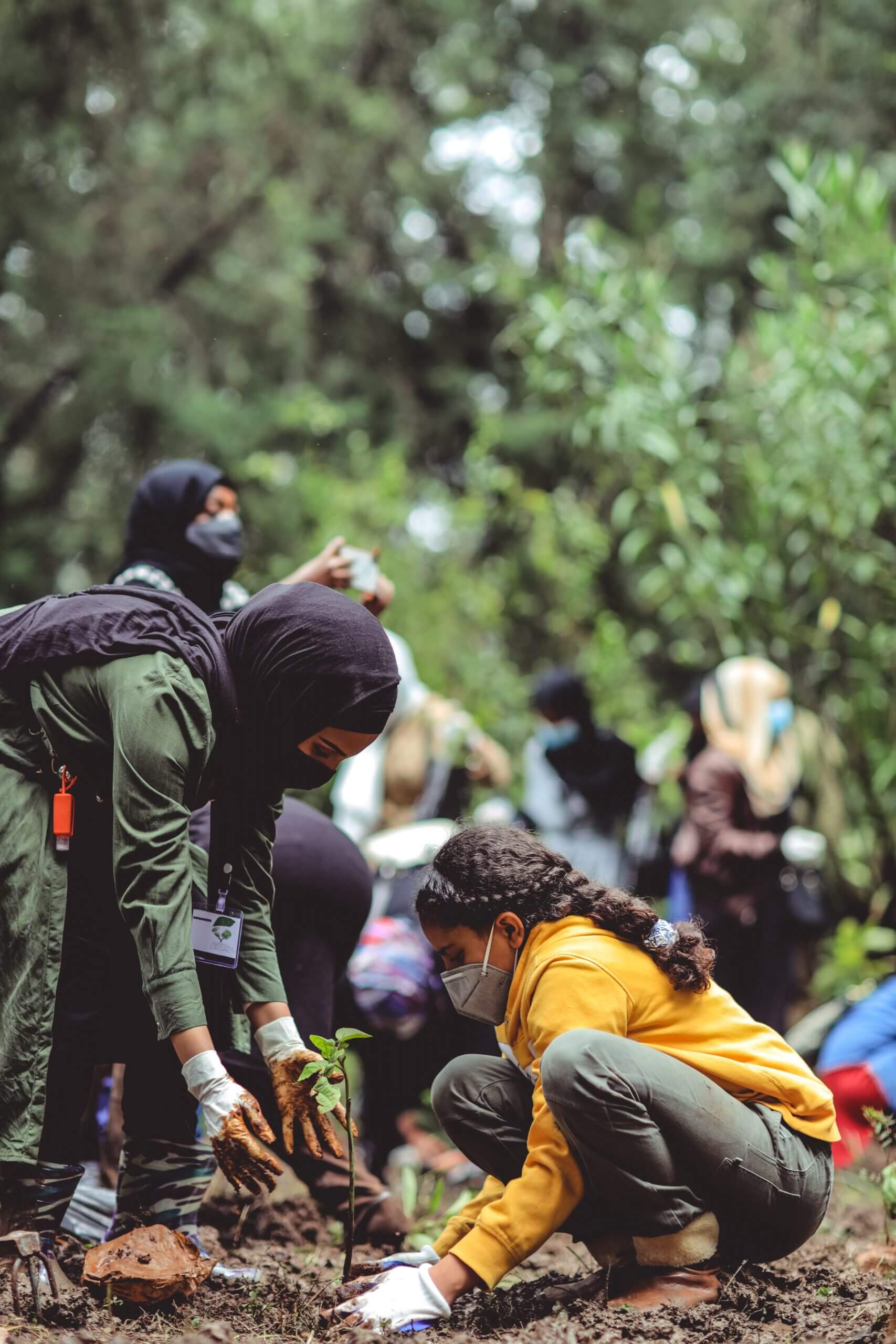
Planting trees in nature has become a way to give back to the Earth at Diwali time. Image credit: Eyoel Kahssay
You can also use these outdoor spiritual experiences to describe and share stories that link pollution to human health impacts and harmony with nature.
Lastly, a picnic at your local park never hurts anyone. There are many options for biodegradable plates, bowls and spoons that you can find at your local supermarket.
In Woolworths, you can buy a pack of 10 plates made from sugarcanes for only $3.5, and a bunch of sugarcane glasses for only $3.
Make sure this Diwali, you plan your activities being respectful towards the environment around you while also having the same fun you can have at home!
Celebrating Diwali is an experience and a time of excitement. Protecting the environment while enjoying your Diwali will be beneficial for you and the future generation.
This year has been a long one with global pandemic hitting. Celebrating eco-friendly Diwali can help us avoid another global emergency from hitting us. It’s the simple steps that count. And while you’re at it, plant a tree.
Diwali falls on November 14, 2020. Join the SAARI pledge to celebrate Diwali sustainably this year by sharing this image on your social media accounts!

Sheetal Singh, Nishant Kulkarni and Sandeep Varma are regular contributors to SAARI.