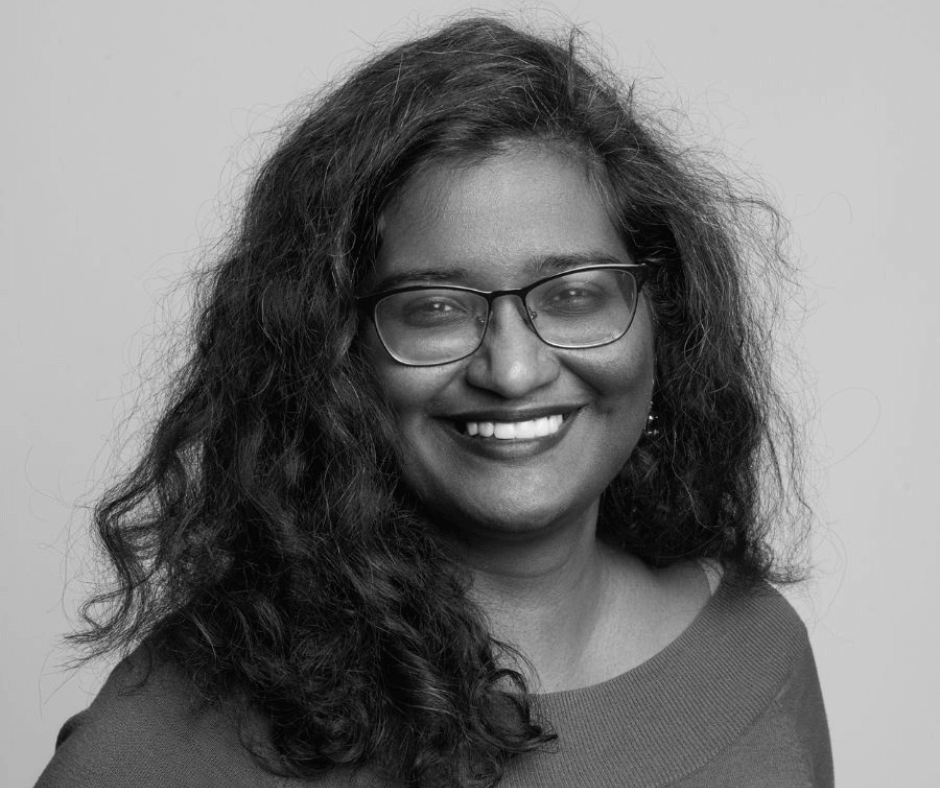
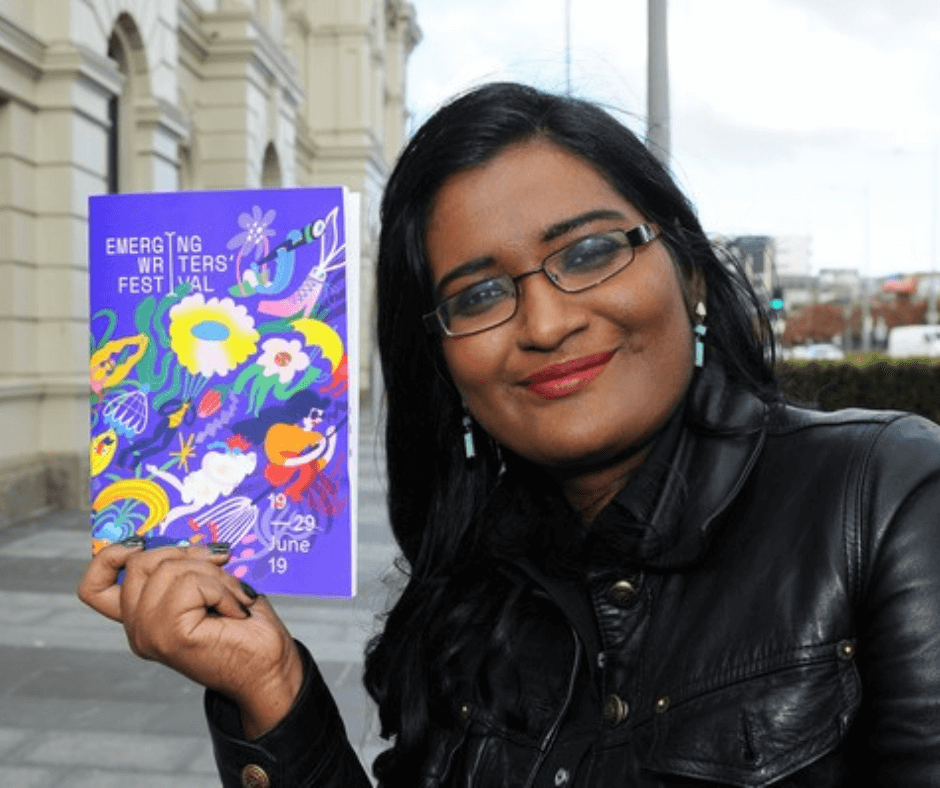
Marisa Wikramanayake, a talented Sri Lankan-born Australian writer and proud queer journalist, knows the deep sense of fulfillment that comes when our hard work and love for what we do are recognized.

Marisa’s first novel, Sedition, has been shortlisted for the prestigious 2024 Penguin Literary Prize. While this is a moment of high celebration, this significant recognition sometimes comes with a surreal feeling. Yet it’s that feeling which fuels Marisa’s drive and serves to propel them towards even taller achievements.
"I had not been shortlisted by any major publisher,” Marisa says.
"There were days when it felt more real and days when it didn't. It was exciting because it was a new thing that had not occurred before."
“I just wanted to enjoy the moment for a few days, forget about it, and focus on other things. I am keen to see what happens next because of the shortlisting," they say.
Marisa’s success was not borne overnight but is the culmination of 12 years of dedication. It also shows real evidence of their uncompromising commitment to craft and creativity.
"I wrote Sedition over 12 years, from 2005 to 2017-2018,” Marisa reflects.
“It took that long because so many other things were happening in my life. These things are settled now, so I have more time and energy," they say.
Beneath the author's geeky exterior lies a vibrant personality. They have diverse interests beyond writing and activism, with a soft spot for cats, a knack for games, and an insatiable sweet tooth for eclairs.
When asked about the inspiration behind their book Sedition, they revealed that it was not intended to be a single book but rather several different stories.
"At first, I thought I was writing three or four books because I wanted to tell certain stories. It took a while to simmer in my head, but at some point, it became one book.”
“I started with the queer experiences and creating characters, and then slowly, the other ideas found spaces in the story to settle into and wove themselves in."
In addition to writing the body of the book, the author also had to develop a title that aptly fits the story and its emotions and draws on the experience of queer South Asian identity.
"The title was chosen because when you discover who you are, you may find certain aspects of yourself that contradict what people have taught you or what society expects.”
“Sometimes, being true to yourself can feel like a betrayal because those aspects may go against the norm.”
“Depending on where you are, there may be legal implications to expressing your true self.”
“Sedition seemed like an appropriate word to describe that feeling."
"It prompts readers to question whether any of the characters were disloyal to society or others, despite their flaws and expectations," they describe.
An author's personal experiences significantly influenced their work. Marisa's bittersweet personal experiences as a migrant, as a queer Sri Lankan woman, and in Australia inspired and influenced their storytelling choices.
"As a migrant, I have had many unique experiences I would never have had if I had stayed in my home country.”
“I have met many people and been out of my comfort zone, which has been challenging and rewarding.”
“Everyone faces difficult situations at some point, and these experiences have helped me tell stories. The more you expand your worldview, the more beneficial it is for creating realistic characters and stories,” Marisa says.
“Although my observations of Sri Lankan society are rooted in my childhood, my understanding of power dynamics between people comes from my experiences as a migrant," Marisa reflects.
Despite living in two countries, Marisa was always surrounded by people who loved, supported, and cheered them on.
"My family was excited about my writing and have been waiting a long time for Sedition to come out so they could hire a venue for a celebration," Marisa says
"My cousin has been a staunch supporter from day one.”
“Over the years, many colleagues and friends have been involved with the writing of Sedition in some way. A couple of writer friends have helped by reading my work or putting me forward for things. One of my friends has become very excited about aspects of Sedition that they are already chatting about on social media.”
“That was before this book has even been published, so it means a lot.”
“I felt loved, and I am happy that if it does get out into the world in some form, whatever happens, people have stories that connect back to me working on this book."
Being an author, editor, and journalist is challenging and demanding. Marisa feels that a routine is essential to balance everything.
"You can't wait for inspiration to strike you. At the same time, I have a lot of commitments, so sometimes I have to find ways to manage work, activism, my personal life, and writing. There are more books to write. I aim to work much faster and am developing that skill."
“Sometimes, I have a writing routine within that time frame. I am trying to find time between 6 and 8 a.m. It takes work.”
“I am not a morning person at all," Marisa laughs.
Marisa takes a traditional approach to writing, preferring to draft their work by hand, in contrast to many modern writers.
"I also often write by hand first in a notebook.”
“Growing up, I was so used to doing this, and it helped me get down the main parts of a scene. When I type it up, I use what I have written as a reminder of the other things I wanted in each scene.”
“I type things up in ywriter7, a free piece of software.”
“When I know I need to redraft or rewrite something, I start planning things out a bit more because by then, I know I have ideas, characters, and plot points I want to keep.”
“I also don't edit as I write. That's a different job for a different phase.”
“Sometimes, I livestream as I write in case people wish to body double or see how it works," they said.
Writing fiction requires a different skill set from journalistic writing. When asked about their approaches to the two, Marisa says, "When I write fiction, I am immersed in the world of the story, and I am very visual, so I am behind a camera, occasionally directing things but mostly watching it play out in front of me and scribbling things down.”

“When I am a journalist, I am more objective.”
“I will ask questions, but I am reporting more as an observer. I have deadlines that I have to meet and research to do, and I have to be fast. There's time provided for that work, but I have to be quick, and I am meant to be more of a bearer of information than a creator of something."
But in both cases, even in fiction, Marisa says they "want to tell the truth and the things to be realistic and believable. And hopefully, you learn a bit too at the end."
Sedition is Marisa's first novel and second project. While it awaits its Penguin Award fate this June, Marisa continues to work on their crime fiction.
"In 2018, I started writing my current book, which is a crime fiction book. I wrote the first 10,000 words over a week as part of a writing retreat (thanks to the KSP Writing Centre), and now I am rewriting that first draft,” they reveal.
“I love crime fiction and wanted to write a story.”
“Gin and Tonic is the title, and it is set in Sri Lanka and features an Auntie Glossary and an Auntie Network.”
“I like humor in my stories, but all sorts of humor, from black humor to absurdism and puns.”
“It has the legs to become a series because my characters have run off to find themselves more cases to solve before I have finished writing the first book.”
“I also have another book idea, The Real Estate, a more speculative fiction novel. The characters there are also ready and waiting to be written, so I am way behind in my writing process,” Marisa says.
Marisa is a multi-hyphenate creator who speaks to the idea that we can be known by many but seen differently in our relationships and public perceptions. But the heart of each of these ways of being seen, from Marisa’s view, is a sense of deep and truthful inquisitiveness.
“People know me for different things.”
“Some know me as a union member, working on campaigns.”
“Some know me as a journalist or a book editor.”
“Some don't know I write; some don't know I am an activist.”
“I hope people remember me as kind and honest, which is what I want to be. So, striving for that is how I describe myself.”
“I am a journalist and a writer because I want to tell stories and tell the truth when I do so. I am an activist because I want better things for the people around me.”
“I am also stupidly curious.”
More information
Penguin Random House Australia will announce the winner of the Penguin Literary Prize on Thursday, June 6, 2024. The prize includes $20,000 and an option for the winner to publish with Penguin Random House Australia. The award, launched in 2017, was established to find, nurture, and develop new Australian literary fiction authors.
Radha Mishra is a seasoned journalist with over a decade of experience in newsrooms. Now practising independently, she is passionate about covering issues that matter. She strives to deliver accurate and impactful stories to audiences globally.