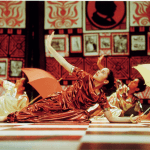
Counting and Cracking, in the words of playwright S. Shakthidaran, is a play that delves into reconciliation: between parents and children, neighbours and enemies, one's new home and old home, and society and its institutions.
This play, along with RISING’s 2024 festival, exemplifies how art, music, and performances can serve as vehicles for community education and reconciliation.
Similarly, young people in Sri Lanka have been driving movements that use creativity and storytelling as tools for change, reconciliation, and truth-telling.
Sri Lanka is a paradox in many regards. Beautiful postcard views, smiling hospitable people, and a warm sense of community are quintessential markers of the island nation.
However, behind these picturesque views lies a tumultuous history laden with conflict and corruption. Following a 30-year civil war, widespread corruption, and systemic government mismanagement that resulted in the economic crisis in 2022, young people in Sri Lanka have been forced to be agile, resilient, and adaptable in driving their future and social change.
As shown below, they have employed multiple forms of creative tools for change.
Grassroots Community Organisations
Young people in Sri Lanka have founded and continue to lead grassroots community organisations that mobilise people for change.
The Sisterhood Initiative, a youth-led, non-religious, and non-political group, was formed in 2020 following the Easter Attacks in Sri Lanka. After the attacks, Muslim women faced scrutiny and vilification, leading to the creation of the initiative.
Source: Sisterhood Initiative
The group provides a space for intra-faith dialogues and mobilises young Muslim women across Sri Lanka to be active participants in decision-making within their communities.
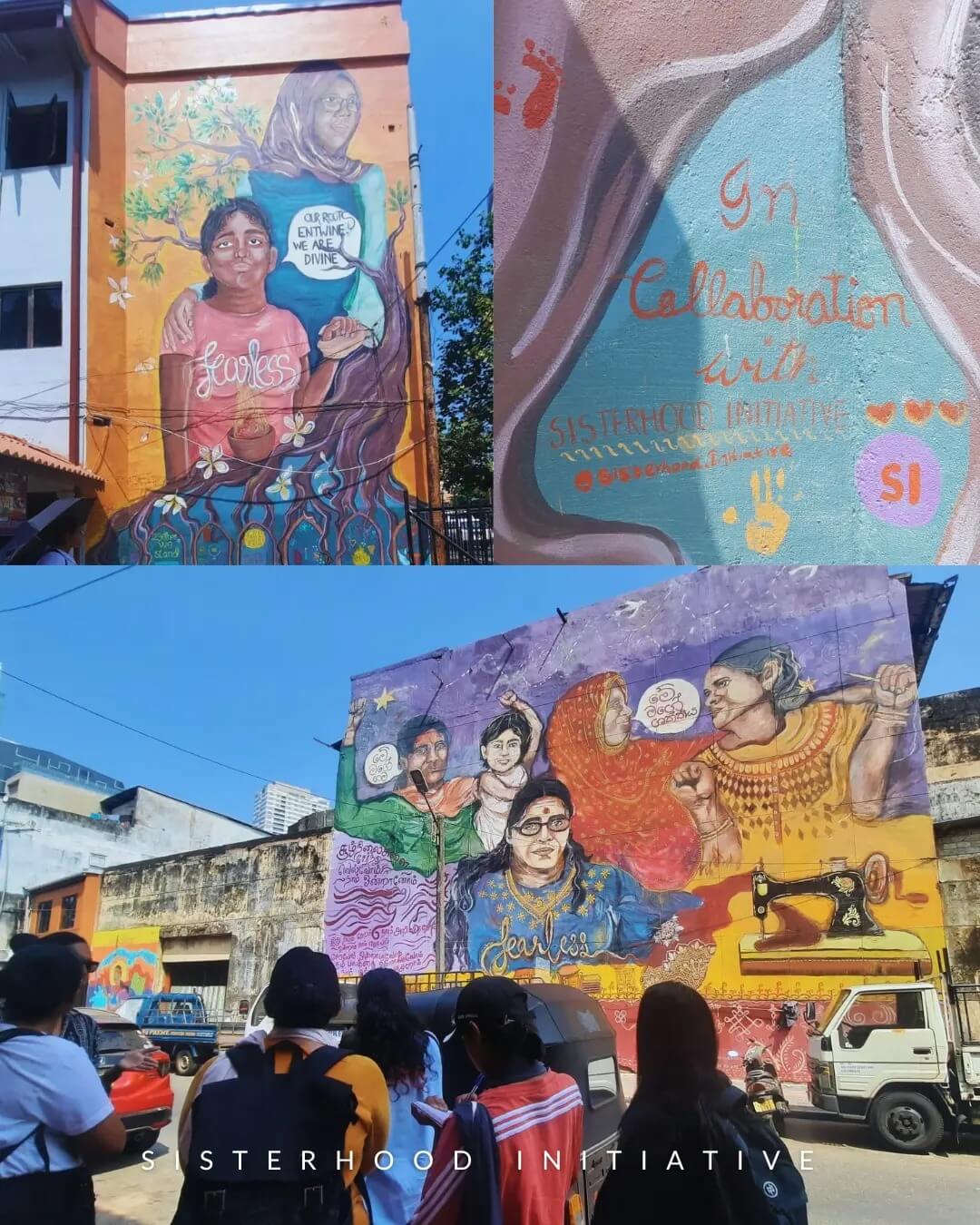
Using art as a tool for peacebuilding, the Sisterhood Initiative, in collaboration with the Fearless Collective, recently launched a public art project involving five artists, including two from Pakistan and India. The project resulted in a large mural on the back wall of the Salvation Army Building in Colombo. The mural was conceptualised based on what affects women and the struggles that represent the community in Sri Lanka.
“The mural depicts a Christian person and a Muslim girl holding hands, symbolising lifting each other up.”
“One girl seems to be pulling the other’s hand while the other hand is firmly rooting the other. This represents being rooted in our beliefs and helping each other out.”
“The figures in the mural are actual members of our organisation. We wanted to tell our stories ourselves,” says Nabeela Iqbal, Founder of the Sisterhood Initiative.
As the artists describe it, this mural is “an act of interfaith solidarity, rooted in the unique stories of resistance of a group of women who continue to create spaces, raise their voices, and hold up one another in the face of a deeply divisive environment.”
The mural is a reclamation of stories that have often been erased and vilified simply for existing, celebrating their agency, power, and sisterhood.
Online Creative Media
Art and creative media have also been used as tools for change online.
Patta History, drawing from the Sinhalese colloquial word “patta” meaning extending beyond the ordinary, is on a mission to use vibrant, funny, and engaging animated graphics to disrupt the status quo and distil complex topics to educate social media users about Sri Lanka’s history and current affairs, one animated story at a time.
Patta History began with the intention to answer a simple question: what does it mean to be Sri Lankan?
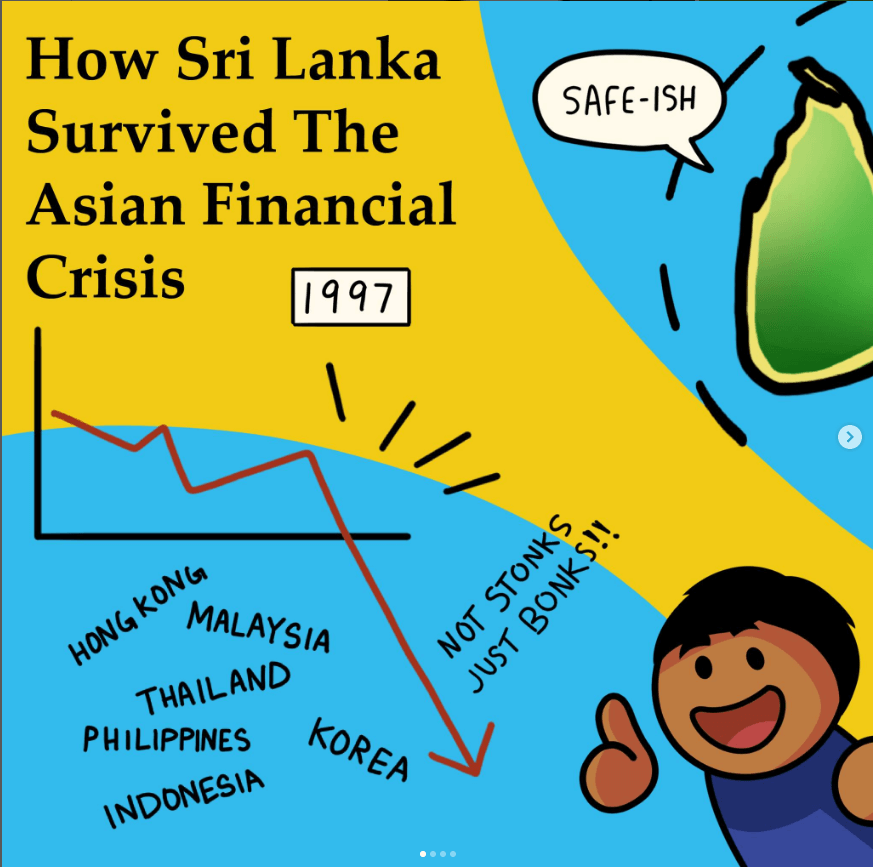
Source: Patta History Instagram where animations are used for education on Sri Lanka’s economic history
“Does it mean feeling your heart swell at the Lion flag?” Asks Patta History’s Instagram account. “Does it mean supporting the Sri Lankan cricket team, does it mean pride in a country that has long stood for free healthcare and education for its citizens or ancient kings who harnessed engineering prowess so masterfully that they diverted seasonal rains to man-made reservoirs as large as oceans?
“Or should I feel shame at the primitive politics that have split waters along religious and racial lines and rarely seek to find a common interest, leading to a 30-year conflict that killed over 100,000 people and left many missing?”
This is the question that drives Patta History to share and educate the community through animated storytelling.
Theatre for Social Change
On stage, the Stages Theatre Group uses creative expression as a tool for social change by transforming reality, society, and history into works of art that make people laugh, cry, reflect, and squirm.
Co-founded by Ruwanthie de Chickera as a youth theatre group, it has grown into a successful movement that allows space for reflection and conversation for the audience, making the arts a viable career choice for Sri Lankans, and ensuring high-quality theatre is accessible to a wider audience.
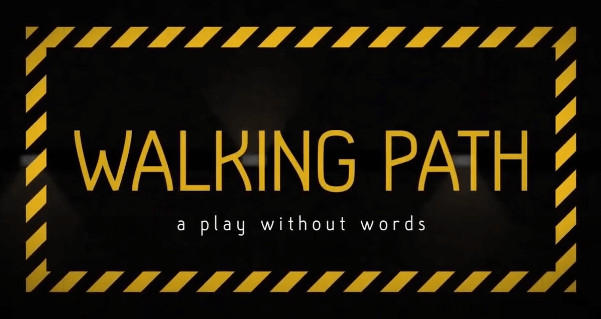
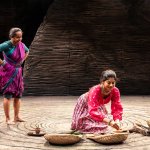
A recent play by Stages, The Walking Path, dramatised the aggressive urban beautification drive that overtook Colombo in the immediate post-war years.
This wordless play was created in response to the culture of unspoken intimidation that prevailed during this time in the country including the militarisation of city parks and the surveillance of the populace.
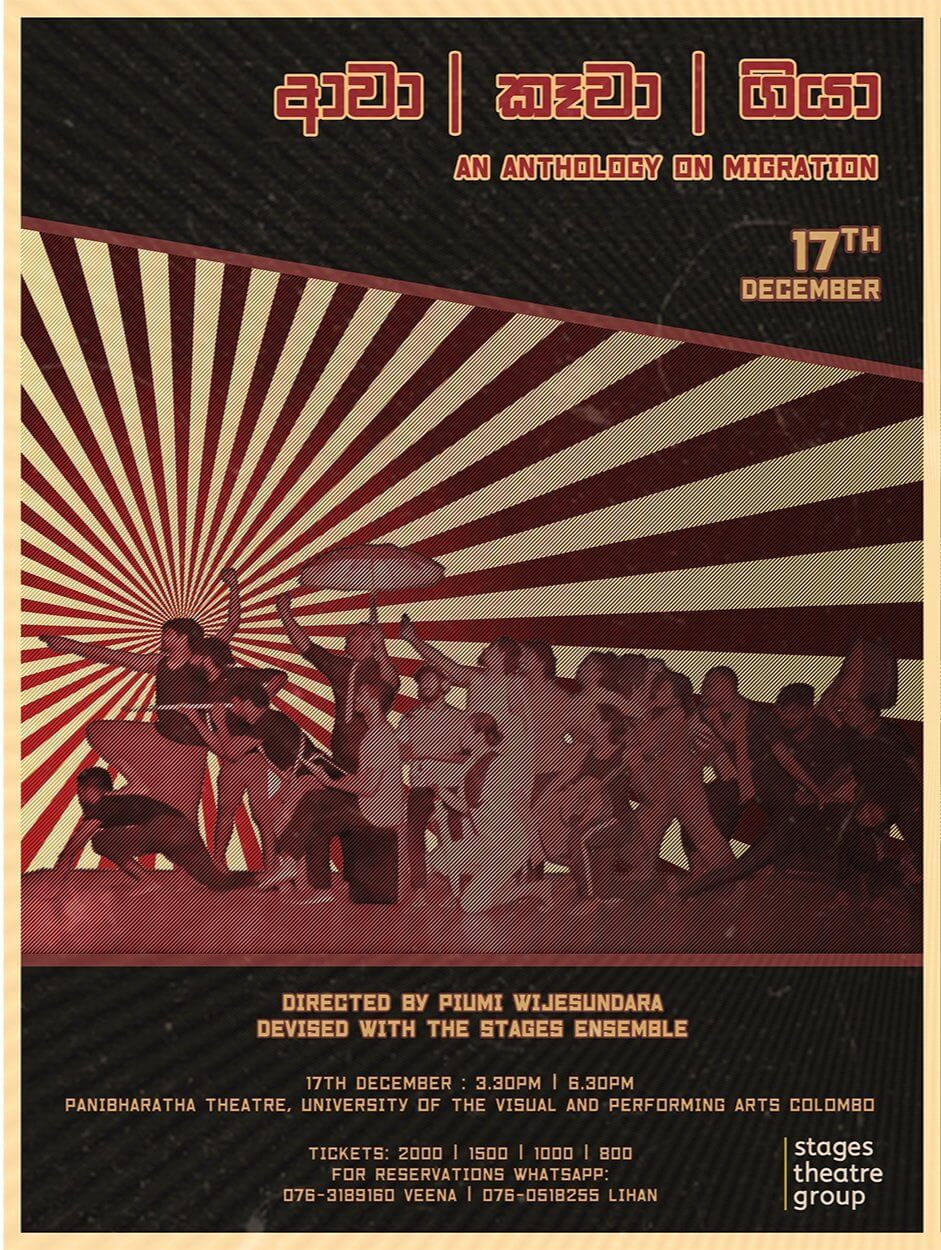
Another notable production, Awa| Kaawa| Giya: An Anthology on Migration, explored stories and circumstances of migration to and from Sri Lanka at a critical juncture during the socio-economic and political crisis of 2022, which triggered waves of both legal and illegal migration.
Music as a Unifying Force
Beyond theatre, youth groups have used music to bring various communities in Sri Lanka together.
Sri Lanka Unites was formed to unite the youth of Sri Lanka from all ethnic and religious groups in a movement that provides hope and facilitates reconciliation, paving the way for a peaceful and prosperous future.
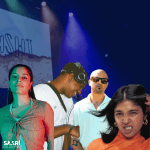
The project Beats of One Nation, launched by Sri Lanka Unites, engages broader audiences by bringing together celebrity musicians and diverse local talent to attract young people who might not otherwise attend an event focused on reconciliation, fostering a new generation that stands together across ethnic and religious lines.
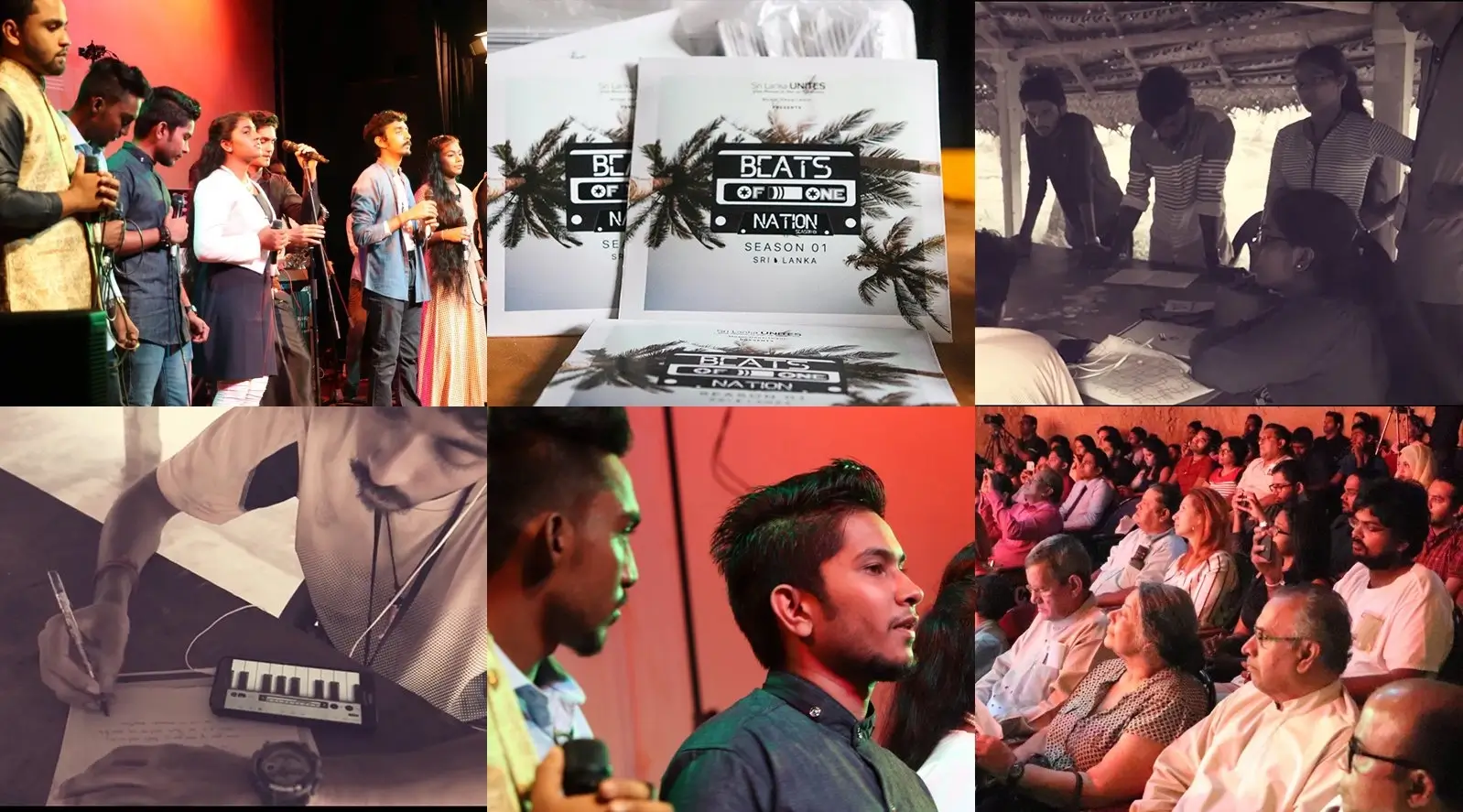
Source: Sri Lanka Unites
The dedication of young people in Sri Lanka, many of whom volunteer their free time, serves as a powerful catalyst for reconciliation, education, and truth-telling.
Their creative and storytelling initiatives are not just responses to present challenges but are also profound acts of resilience, hope, and unity.
These efforts remind us that even in the face of adversity, creativity can pave the way to peace building and an inclusive and harmonious future.
Counting and Cracking SAARI Community Tickets
S. Shakthidaran's Counting and Cracking plays a limited season at the University of Melbourne's Union Theatre from 31 May to 23 June as part of RISING.
In celebration of South Asian creativity in Melbourne, we are pleased to offer the SAARI Collective's community 20% off tickets for performances between 2 and 7 June. Simply use the code SAARI when booking at rising.melbourne.
SAARI is hosting an interngenerational lunch in Melbourne to support South Asian creativity and the premiere of Counting and Cracking. Bring your family and join the SAARI community on 2 June. Free tickets here.
Devni Wimalasena is a advocate for gender equality, anti-racism and access to justice - working primarily in Australia and Sri Lanka.
She is the recipient of the 2023 Australian South Asian Stellar Woman Award and a 2024 Global Citizen Youth Leader Award. Devni has recently completed a Bachelor of Arts and Juris Doctor from the University of Melbourne.