For many South Asian women, conversations about sex, relationships, and desire remain wrapped in silence. But Australian writer, journalist, and playwright Saman Shad is determined to change that.
Her latest novel, The Sex Lives of Married Women, with the word “sex” provocatively struck through, invites readers to rethink long-held taboos about intimacy, marriage, and personal agency.

With warmth, wit, and honesty, Shad’s book delves into the reality of life after ‘happily ever after’, something rarely explored in South Asian storytelling.
In this conversation, she discusses what inspired the book, the impact of digital distraction on relationships, and why South Asian women still have a long way to go when it comes to owning their stories and openly having conversations about sex.
Q: What inspired you to tell this story?
A: Just to go back a bit, I have a background in journalism and have worked in various editorial and journalistic capacities. I was really interested in the idea of what happens after “happily ever after.” That story doesn’t really get told.
I came across many stories, especially during COVID, when many partners were forced to be together in close quarters, navigating relationships in ways they hadn’t before. I heard from friends, family, and people I knew really well, and many were realising they were not actually happy in their relationships. That’s what inspired me to tell these stories. This started years ago.
My first novel, Matchmaker, was very much a rom-com—about two people meeting and falling in love. But as I continued writing, I felt my next book should explore what comes after “happily ever after”.
What does a relationship look like after 10 or 15 years? That’s what really inspired this book.
Q: Conversations around sex and relationships in the South Asian community, especially in the diaspora, are slowly shifting. We now see South Asian influencers like Seema Anand and others talking about intimacy. But cultural taboos remain deeply entrenched. Where do you see this shift happening, and what resistance still exists?
A: Oh, there’s so much resistance! Talking about sex is still taboo in our culture. But let’s be honest: there are billions of us, so clearly, we didn’t just magically appear.
There’s a lot of hesitancy in confronting and discussing these topics. I worried about how my big family and others in my community might take it.
But I also thought, if I don’t talk about it now, then when?
It’s important that we have these conversations because sex and intimacy are not discussed in our communities, especially in the diaspora—whether in Australia, America, or Canada.
It was actually really scary for me to write about this. I’m a grown woman with children, yet I still felt the need to talk to my parents about the title of my novel, just to make sure they were okay with it.
Thankfully, my parents are very forward-thinking—my dad’s a journalist, my mom’s a neuroscientist—so they were very supportive. That was really comforting.
Q: Are Asian people talking about this more openly now?
A: Yes and no. A friend in Hong Kong told me there are a few influencers discussing it, but overall, women talking about sex and intimacy is still rare. It’s still something we feel uncomfortable addressing.
For me, this book is fiction—it’s a story. I want people to come along for the ride with these three women, but I also hope it sparks broader discussions about sex in our community.
There are billions of us, and clearly, sex is part of our lives. Female pleasure is a big topic in my book—it’s not just about sex; it’s about pleasure for women.
Q: I loved how you cancelled out the word ‘sex’ in the title. It already says so much.
A: Yes! I was telling a friend about the title—The Sex Lives of Married Women—and she was like, “Shouldn’t it be No Sex Lives of Married Women?” There’s even a character in the book struggling in her marriage because she and her partner aren’t having sex. That scratched-out word says a lot.
Q: I read an excerpt where Meena is frustrated because her partner is constantly on his phone. Do you think mobile phones and technology are disrupting relationships?
A: Oh, 100%! Not just romantic relationships, but all relationships—family, friends, everyone. I was out for dinner and saw couples sitting together, both on their phones, not talking. What kind of impact does that have on a relationship?
We complain about loneliness, yet we’re glued to our screens instead of connecting with the people around us. In my book, one character’s partner is always distracted—by his phone, by work. These distractions allow them to avoid confronting the real issues in their relationships—until they no longer have a choice.
Q: Do South Asian women today feel more agency over their sexuality and relationships than previous generations?
A: We’re building on the progress of each generation, but we’re still not fully there.
Living in Australia, I have way more freedom than many of my female relatives in Pakistan. I can express myself, write this book, and walk freely in public. But we still have work to do.
I hope my children will have an even more open relationship with self-expression and desire than I do. Even as an adult, I still sought my parents’ approval for this book. There’s progress, but we need to keep pushing forward.
Q: Many South Asian women are told marriage is the ultimate goal. When should these expectations start being questioned?
A: From the start! Marriage is not the goal. I have a daughter, and I’ve never told her marriage is her life’s purpose. But growing up, I was told to do all the “right” things—go to university, get married. And I followed those steps. I got married in my early twenties.
But now, when I think about what I tell my daughter, I’d say, “Go explore yourself first.” Life is about so much more than just getting married and having kids. Those things are great, but they should happen when you feel ready, not because it’s expected.
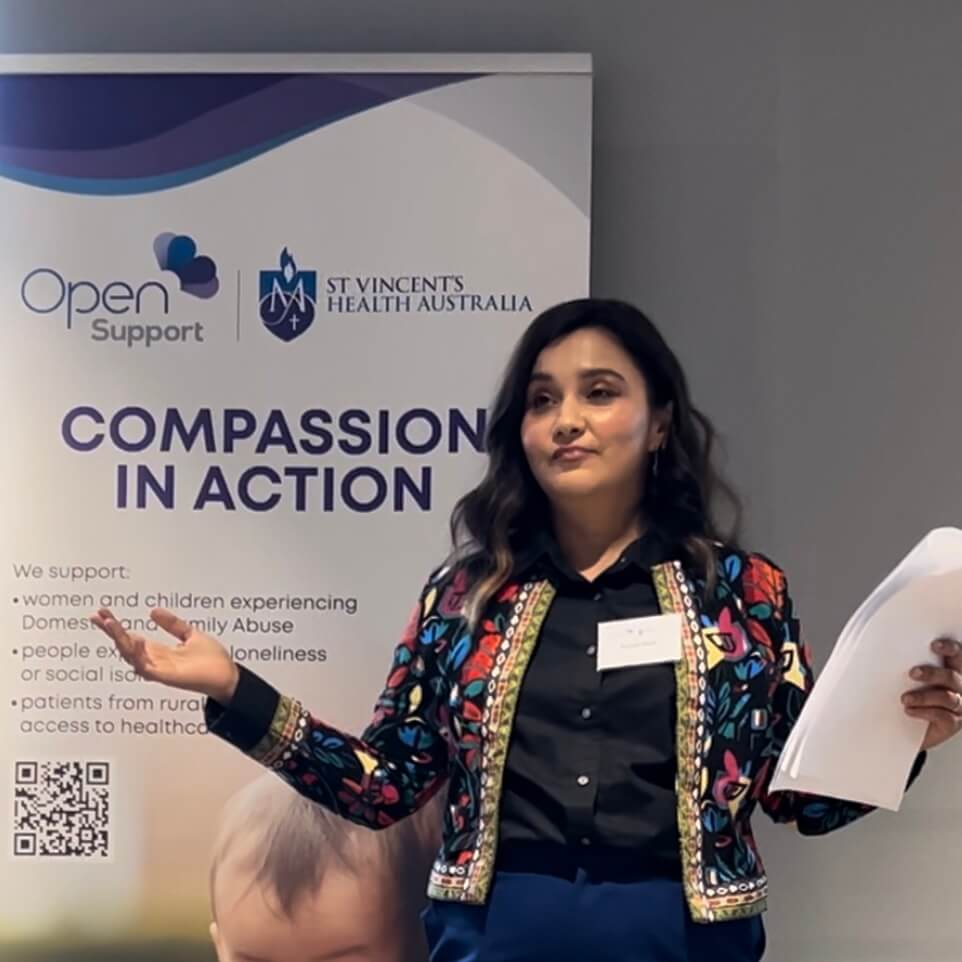
Q: What would you say to the statement, ‘Marriage is dead and no longer beneficial for women’?
A: I completely understand why people say that. In many marriages, women do everything—they carry the domestic and mental load.
We’re told we can “have it all,” but it’s a myth. Women are expected to juggle careers, kids, and household responsibilities, and it’s exhausting. Something has to give.
That’s why we see women rejecting marriage and children altogether. They don’t want to take on an additional burden without support. In my own marriage, my husband and I actively work toward equity in household duties. Without that, marriage can feel like an unfair arrangement for women.
Q: As an immigrant writer, who was born in Pakistan, grew up in the Middle East, UK and now Australia: how has your relationship with language evolved?
Urdu was my first language because I lived in Pakistan until I was four. I have very clear memories of speaking it fluently. But when I moved to the UK and started at a British school, English took over.
I remember telling my mum, “How am I going to talk to people?” But she reassured me, and of course, I picked it up quickly—kids’ brains are so open to language.
Later, in the Middle East, I learned Arabic because it was part of the school curriculum. But I lost most of it over time, just like I see happening with my own children and Urdu. My husband is Scottish, and we speak English at home. I tried speaking Urdu with my kids, but if you’re not consistent, language fades.
Moving so much has shaped my relationship with language—it evolves depending on where I am. But I also see how fragile it is. If you don’t use it, you lose it, and that’s something I’ve experienced firsthand.
Q: Before we let you go, what advice would you give to aspiring South Asian writers?
When I was writing Matchmaker, I kept adding explanations—like if a character mentioned a specific food, I’d put a little bracketed note explaining what it was. But my editor told me, stop explaining yourself. Just write. If readers don’t know something, they can Google it.
So my biggest advice is: don’t over-explain. Write as if your audience already understands your culture. Be in the moment, be honest. As an editor at SBS, I saw so many submissions, and what always stood out was writing that felt raw and brave.
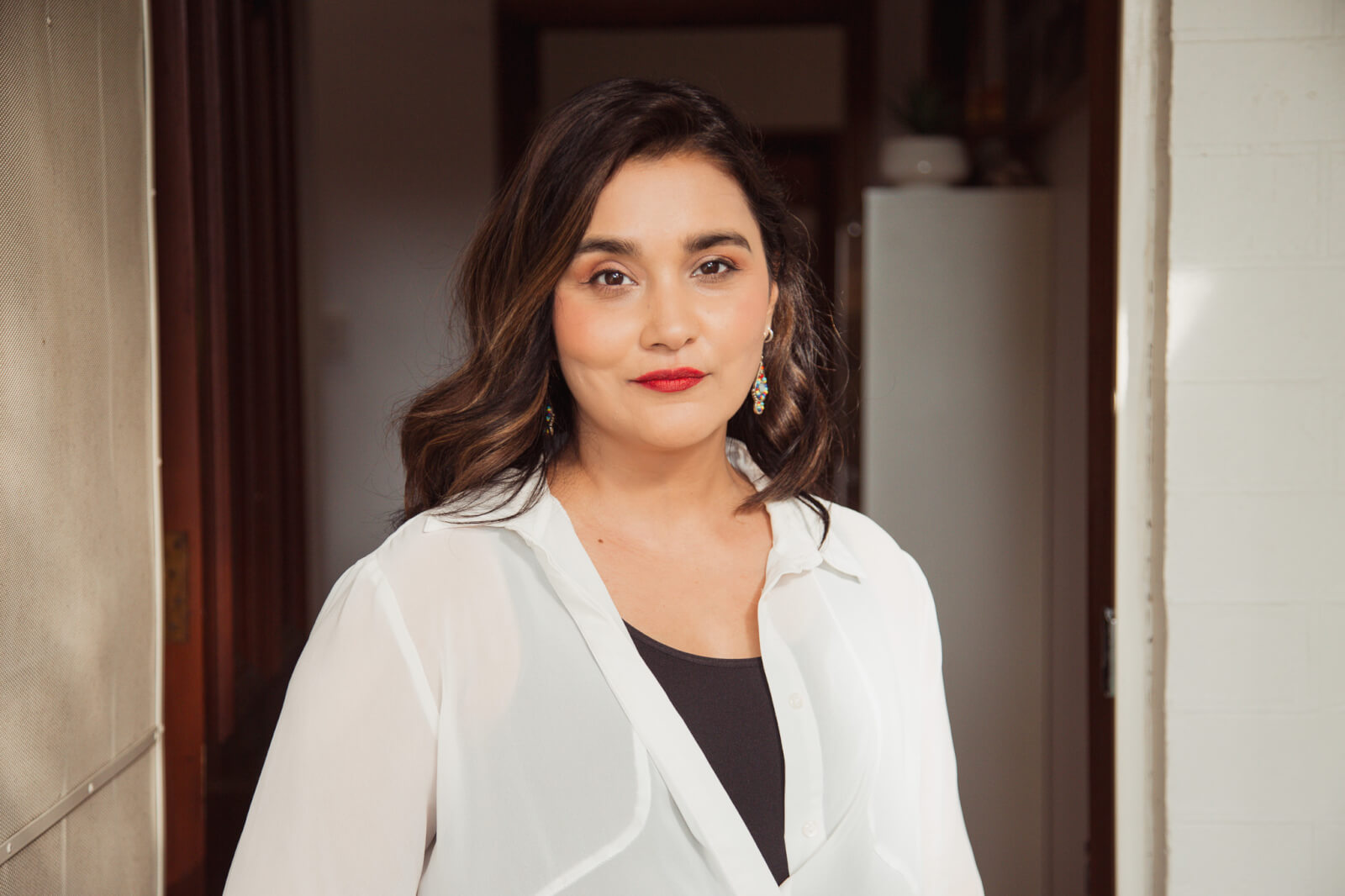
With The Sex Lives of Married Women, I was terrified—how would South Asian readers react? Would they accept it? But I realised that fear meant I was tackling something important, something that hadn’t been confronted before. And that’s the key: if it scares you, it probably needs to be written.
So write from the heart. Be yourself. Don’t soften your work to make it more palatable. Drop your readers right into the centre of the storm and go from there.
Q: Any parting words for our audience?
A: The Sex Lives of Married Women is releasing on April 1 through Penguin Australia. Even if the topic makes you uncomfortable, I encourage you to seek it out.
It’s a funny, engaging book about friendship, relationships, and being an immigrant in Australia.
We need to support South Asian writers telling our stories.
When our books succeed, it proves there’s an audience, making it easier for more of us to be published.
Book Deal
Grab your copy of The Sex Lives of Married Women by Saman Shad here.
Dhwani Pathak is a media professional with extensive experience in storytelling, content strategy, and communications. Based in Canberra, with a keen eye for human interest stories, she aims to contribute meaningfully to the evolving media landscape. Connect with her on LinkedIn.