As a parent of teenage boys, I always come home from work with a mild sense of apprehension. More often than not, I’m not disappointed.
As my kids segue into their 20s and particularly after getting my head into a surprising level of calm over the past year, I’ve picked up a few techniques that help us maintain a precarious balance between sanity and chaos.
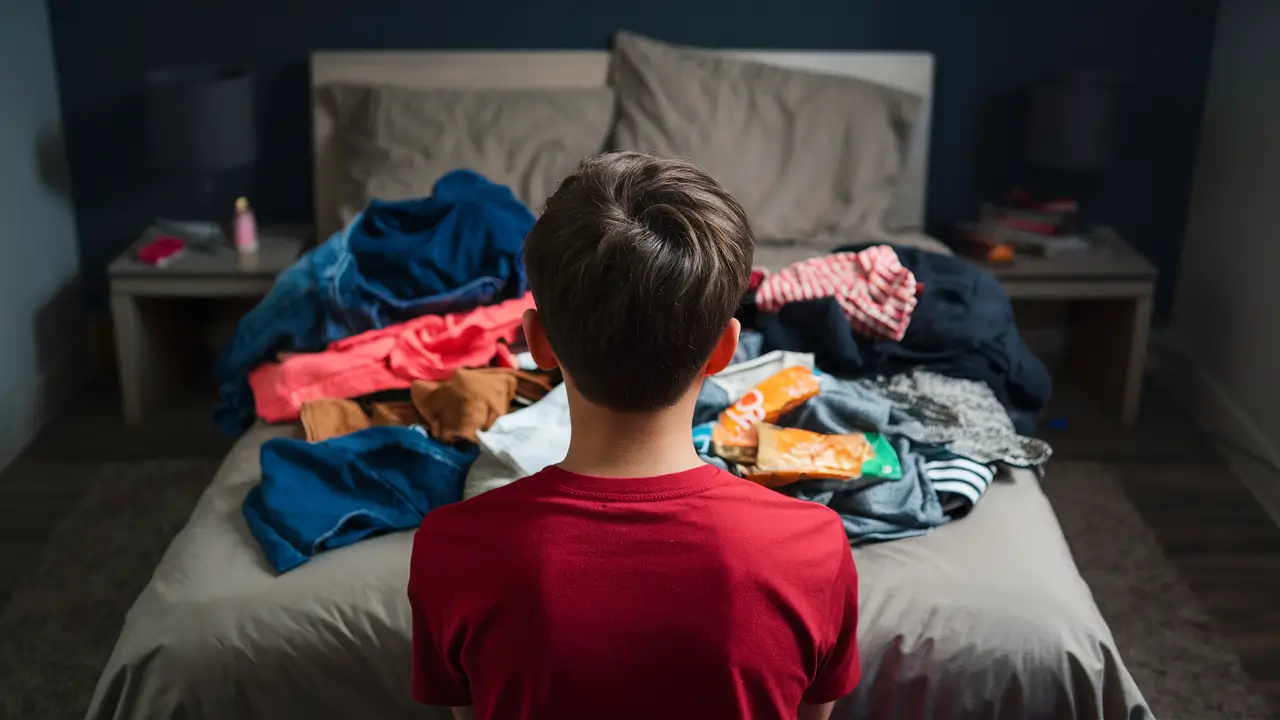
AI generated image
But first, let me explain the scenario I faced many times.
The living room is usually a mess, gym bags, jackets and shoes strewn across the floor, dishes piled up on the kitchen counter and if I’m lucky, one child will be sprawled on the couch eating an ice block in front of a squawking TV.

Photo credit: Unsplash
He’ll stare at me in bemusement as if I’m some stranger he thinks he should recognise, then proceeds to casually greet the dog.
A year ago I would have had a meltdown of mammoth proportions but now I take a deep breath and put my stuff away, thinking, but not vocalising, unkind thoughts.
Looking back in perspective I feel that my parenting through the years has been cloaked in a fog of irritability, tiredness and stress. If it hadn’t been for resurrecting moments of humorous relief provided by my kids, I would possibly have been one of the grumpiest mums alive.
But about a year ago, I looked at myself in the mirror with dislike and decided to change. I was sick of myself, my constant whingeing, overthinking, anxiety and felt that there’s got to be a better way of existing.
I went seeking, and found a bit of myself. And so began the slow journey towards changing for the better. That’s a story for another time.
So I take my time, lunchbox in the sink, handbag tucked away, until my ragged breathing slows down to normal. I have time until the ice block is finished. To avoid the injured look and indignant response, “I’m eating!”.
I anticipate the next act in this farcical drama and wait in the wings for my cue. The TV is switched off with a casual flick of the wrist and he makes a run for the stairs.
I’m ready! “Hang on,” I yell in my ‘firm mum’ voice and his progress is arrested at the third step, before he heads into the murky realms of his teen cave where only the brave dare venture, while smartly leaving the chores to me.
He reluctantly retraces his steps and stands before me feigning indifference and looking for an excuse to scarper. Before he can pull the ‘studying’ card, I say firmly, “This place is a mess, I need help cleaning it up.”
So we go over the demolition site, chucking shoes in the shoe cupboard which is about six inches from the pile of shoes. But opening the door is an effort, right?
Glasses and plates are placed in the sink, jackets are bundled and kept near the stairs to be taken up when he finally escapes. Once he’s chucked away the recycling, he’s released. A minute later I have to yell for him to take the jackets upstairs. He doesn’t answer so I call him. He doesn’t answer so I message him.
Putting down my phone, I survey the house with some satisfaction. It isn’t perfect but will do, respectable enough for me to start with dinner, without a headache.
I always sigh with relief and nod in agreement when talking with other mums of teens, because most have the same experience. I feel better knowing that it’s standard behaviour for teenagers to be sloppy, untidy, hormonal, rude, belligerent, argumentative, annoying and smelly.
But they can also be funny, kind, empathetic, helpful, considerate and masterful with tech. So it’s a fine balance, but that’s better than just being grubs all the time.

Photo credit: Unsplash
Managing this cocktail of fluctuating emotions can challenge even the most patient, understanding, loving of parents and it's a rare one that doesn’t ever lose their temper or feel a sense of despair or surprise at the things their teens say or do.
I haven’t reached even the lowest rung of parenting perfection, if such a concept exists, but I have honed my technique down to a few simple self-rules that have made parenting my teens a much more sensible, practical and enjoyable experience.
Here’s my hard-won advice.
Losing my s*it
Literally! In the sense that I got rid of my anger. I get justifiably annoyed, irritated or sulky, but I don’t get batsh*t mad!
Anger is a complete and utter waste of time, I’ve realised. This understanding came to me a year ago, after playing the ‘who can yell loudest and get the maddest’ game for as long as I can remember.
Anger is purposeless, only puts everyone in a shockingly bad mood, and that’s not counting the unkind things one’s mouth says without consulting the brain. It's not worth the distress and angst, and controlling it is a huge win for any person.
Controlling my temper has been the hardest challenge of my parenting journey. Through years of trial and error, I’ve found the most simple technique that works for me is just shutting up. The angrier I get the quieter I become, simply because if I talk in those moments of fury, I’ll say the most hurtful, mean and stupid things that I’ll surely regret for the next ten years or more.
The moment passes eventually and when I’m calmer, I invariably feel relieved and a teeny bit proud at having controlled myself. Works for me!
Not my last word
Arguing has pretty much the same outcome as anger, and while both combatants think they’ve won by the logic of their dialogue or getting in the last word, the truth is, there’s no winner.
There’s a fine line between disrespect and proving that you as a parent are irrational, incompetent and a muddled, partially senile elderly person. My kids are very good, I’ve noticed, at making this point through words and spectacular eyerolls.
In the past I’ve argued back, eager to make a point and the outcome has always been yelling matches, shouting and slammed doors, and hurt feelings. Our home is filled with an oppressive vibe that takes a while to disperse.
So now I just keep stumm and say nothing at all, even if it means biting my tongue and having to hear long, specious arguments that trigger me. Being silent calms me down until I am coherent again, and lets people around me know that I’m well and truly mad. But also that I’m making a huge effort to calm down.
After a few hours when everyone’s settled, I ‘have a chat’, which is the teen equivalent of the adult ‘we need to talk’. Be afraid, dear teen!
We share our different points of view in a civilised, adult conversation, occasionally agree to disagree, politely acknowledge the other person’s perspective and generally clear the air. Apologies are traded, the peace pact is re-signed and all’s well in our world.
Doing what works
Many years ago as a sleep deprived, near-hysteric first time mum almost falling apart with exhaustion, I confessed to a visiting midwife that I really didn’t know what to do. I was inundated with well-meaning but impractical advice from the family back home in India, my mum’s group and well-wishing friends who had no kids.
“Do what works for you,” was all she said after hearing my litany of excuses. I had a think about that and took her words to heart. I did listen to advice; even tried it occasionally. If it worked, that was great. If it didn’t, it was back to experimenting and writing our own set of parenting guidelines.
My husband being the more practical one, balanced out my moments of indecision and worry, and was supportive through child-rearing that involved a fussy eating, temperamental attitudes, school dramas and all the million little challenges that parents face.
Now my kids are in their late teens and I allow myself the option of feeling just a bit smug until I trip over a gym bag!
We are influenced by so many different moving parts in our mum and dad roles, the way we were parented, ‘helpful’ family and friends, peer influences, the never-ending stream of advice on social media and in our rapidly evolving world, let’s face it, there will always be no end to information and advice.
Growing up in India, I remember keeping my teenage tantrums; mainly because of a deeply ingrained sense of duty and wary respect for my parents. We had an affectionate but formal relationship, while my kids are way more open with us. Seen through a wider lens, I prefer our easy, laid back kind of parenting that is instinctive and practical, because that works for us.
To me the simple rule is, as long as your children feel loved, safe and happy in your company and home environment, you’re being a good parent. Yes, there will be a few ructions, but that’s life.
And building that sense of trust so that they know you’ll support them to the best of your ability is all the assurance they need, as they head towards adulthood.
Making love your mantra, adding humour and a good dollop of patience, certainly makes the parenting of teens experience less stressful and challenging.
Sheryl Fernandes Dixit is a marketing professional with a passion and flair for writing. People, animals, absurdity and humour are her forte and she enjoys creating stories from memories and life. She is part of the Parenting Hub at SAARI Collective.