This article is aimed towards parents of children aged 0-8
I could hear their squeals of joy as I swung my child higher and higher on the swing. I asked in Punjabi, “Upar jaana?” (Want to go up?).
They responded with a nod.
I repeated “Upar?” again and they stopped responding, their enthusiasm waning. My mind was in turmoil.
Don’t they want to learn Punjabi?, I asked myself. How will I teach them Punjabi?
That became: Do they even need to learn Punjabi? Everyone speaks in English, mostly, and I use it constantly too. But, then I thought to myself: Yes, but what if I could make it fun for them?
Then the BIG one.
Why am I teaching them Punjabi? This made me pause and reflect.
Language is a huge part of any heritage. Not only is it an instant connector and a road map into culture but it also helps to build connections and bridge worldviews. I want my child who is an Australian and Indian and brought up here to appreciate their diversity, be confident in who they are as a South Asian Australian, and be able to converse with their relatives all over the world in their own mother tongues.
Learning Punjabi and Tamil as I am Punjabi and my husband is Tamil, would make all that possible. Some words just sound better in our mother tongues. No translation can do them justice.
For example, saying ‘A sweet treat that is made by deep-frying flour batter in pretzel or circular shapes, which is then soaked in sugar’ sounds really complicated.
But saying jalebi instantly transports our mouths and minds to deliciousness.
As this raucous cacophony of savaal-javaab (questions and answers) grew in my mind, my years of work as an educator kicked in to settle my thinking. I recalled reading about the benefits of multilingualism for children, especially from an early age, if taught using play.
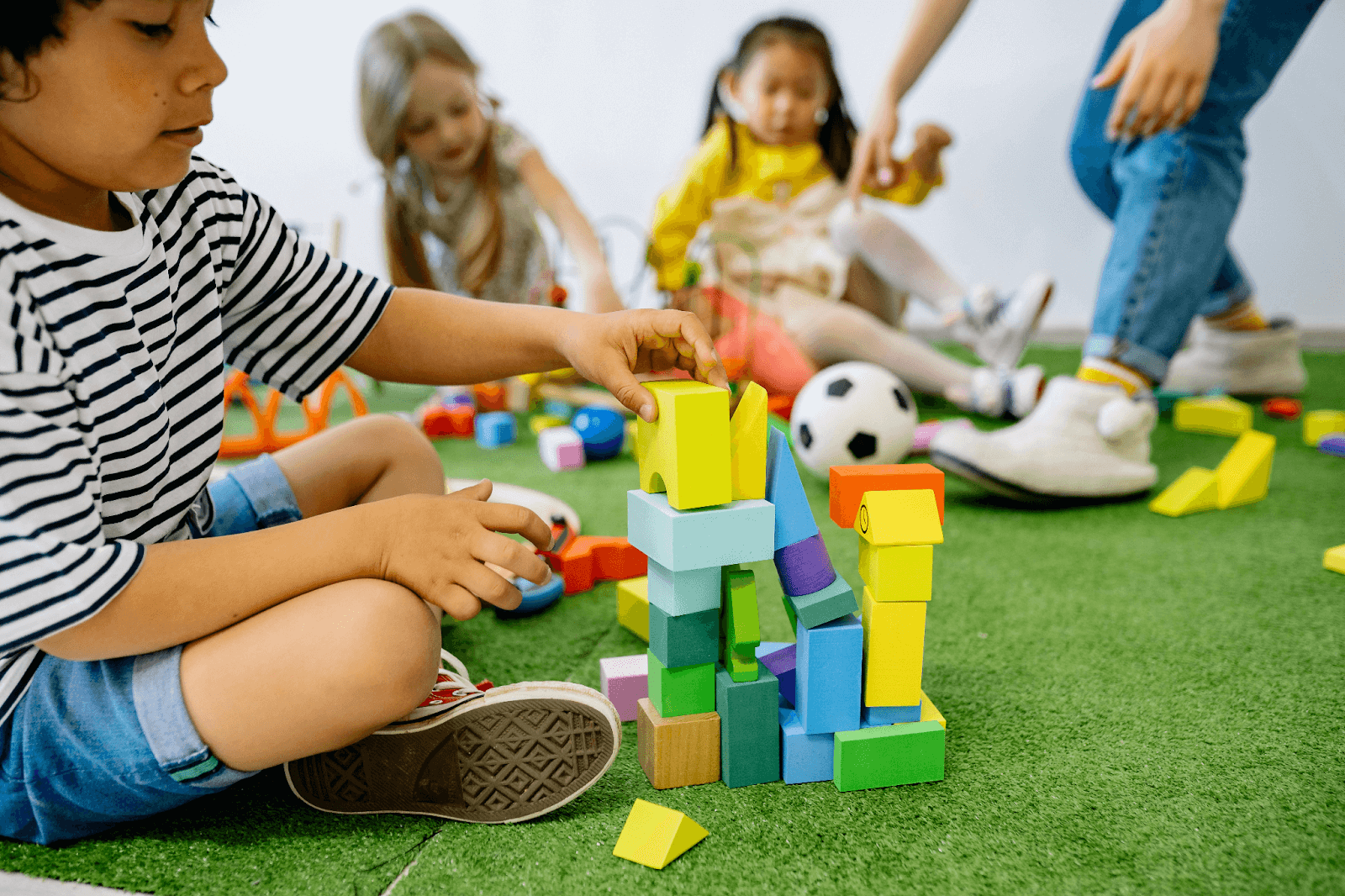
Image by Yan Krukau via Pexels
Bilingualism/Multilingualism has been shown to provide greater openness to other languages and to new learning itself; and it also increases brain plasticity, which can have long-term positive effects and protect the brain from dementia.
So I decided that I was going to use play-based ways to embed the many mother tongues in our home. I was going to find ways to make it seem natural and fun for my little learner, and be encouraging. I decided, as a parent, that instead of wrestling with doubts that I would be fearless and go at it with an attitude of playfulness, and just start communicating with them.
“This is it!” I thought, “Just start. I can do this! I want to do this.”
I also understood that language acquisition was going to take a few steps, especially as a multilingual and multicultural family who had two mother tongues, Punjabi and Tamil as well as Hindi, to embed successfully into our home.
The three steps to fun multilingual learning
Step 1: Spoken Language immersion
When I began the journey, my child only knew a couple of words in Punjabi, so I was essentially starting with a blank slate. The possibilities were endless. I remember reading that an immersion in mother tongue languages helps to preserve cultural heritage and also equip children with success.
So I decided to incorporate both mine and my partner’s mother tongues into our daily lives by speaking them as much as I could. I even got my extended family to speak to them in these with my children, and luckily they’re close by so this happens regularly.
I’ve made an effort toward conscious repetition of simple words like “titli (butterfly)” “doodh (milk)” etc because repetition of words in the early years acts like a melodic rhythm, weaving through a child's mind, imprinting sounds and meanings that form the foundation of language acquisition and fluency.
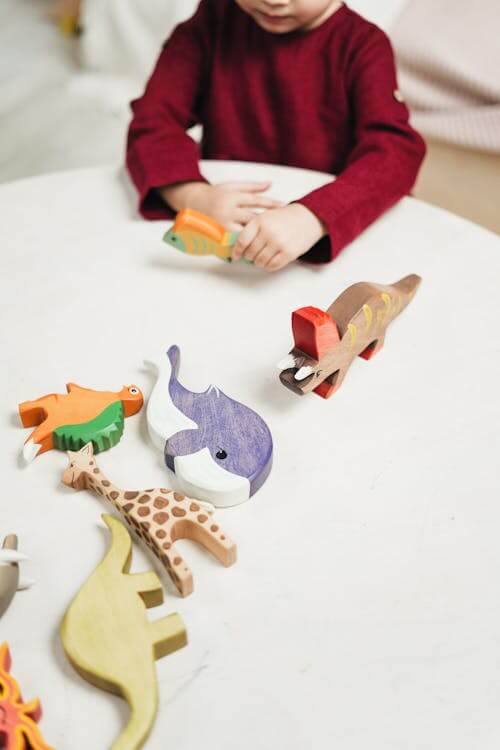
Image by cottonbro studio via Pexels
This has slowly translated to more words being added to their vocabulary and has also meant that my child will now say words like “pu” for flower (in Tamil) or “chidi” for bird (in Punjabi) when we are walking outside together.
Whilst they aren’t speaking fluently as yet after a few months of immersion as a toddler, the fact that they are using some words that have stuck is so meaningful to our family because it’s a great start in their language acquisition journey.
Step 2: Music aids memory
To add to their vocabulary, I decided to bring music into the mix. My child loves music and nursery rhymes are a wonderful way to introduce children to language as it teaches them how language works and improves memory and thinking skills.
First, we listened to and sang childhood favourites together in both Tamil and Hindi. These included “Kaaivisama, Dosa Amma Dosa” and “titli udi” and “machli jal ki rani hai”. One day when we went out, we saw a butterfly and I brought their attention to it and said “titli” and then my child repeated “titli” and then I started to sing the song “titli udi” (butterfly flew) and my child joined along. Being able to share childhood nursery rhymes with them has brought with it greater memory recall and a huge sense of joy.
Then I decided to try an experiment and translate well-known English nursery rhymes they were fond of into Punjabi and Tamil. Here is an example : Head, shoulders, knees and toes became sar, kandha, ghutna, paer and Thalai, Thol, Mutti, Kal. This helped them to learn about body parts in an entertaining way and right now whenever I say “sar”, my child will immediately point to their head and say “sar” or they will come and touch my mouth and say “muh”.
To be able to creatively explore music and language acquisition with my child has brought so much joy into our lives because we can witness the difference it is making and the cache of words is truly increasing.
Step 3: A Print-Rich Home
Apart from hearing language, it is also necessary to see language to help with language acquisition. I remembered the research on language learning pointing to having a print-rich home as an enabler for children to score better in writing, reading and maths.
I decided to create a “print-rich” multilingual environment at home. What this means is an environment where children are surrounded by a variety of printed materials that support literacy development. These could include books, flashcards, posters and interactive displays.
To provide visual cues, I bought bilingual books, puzzles and flashcards in Punjabi, Hindi and Tamil and displayed these around the house.
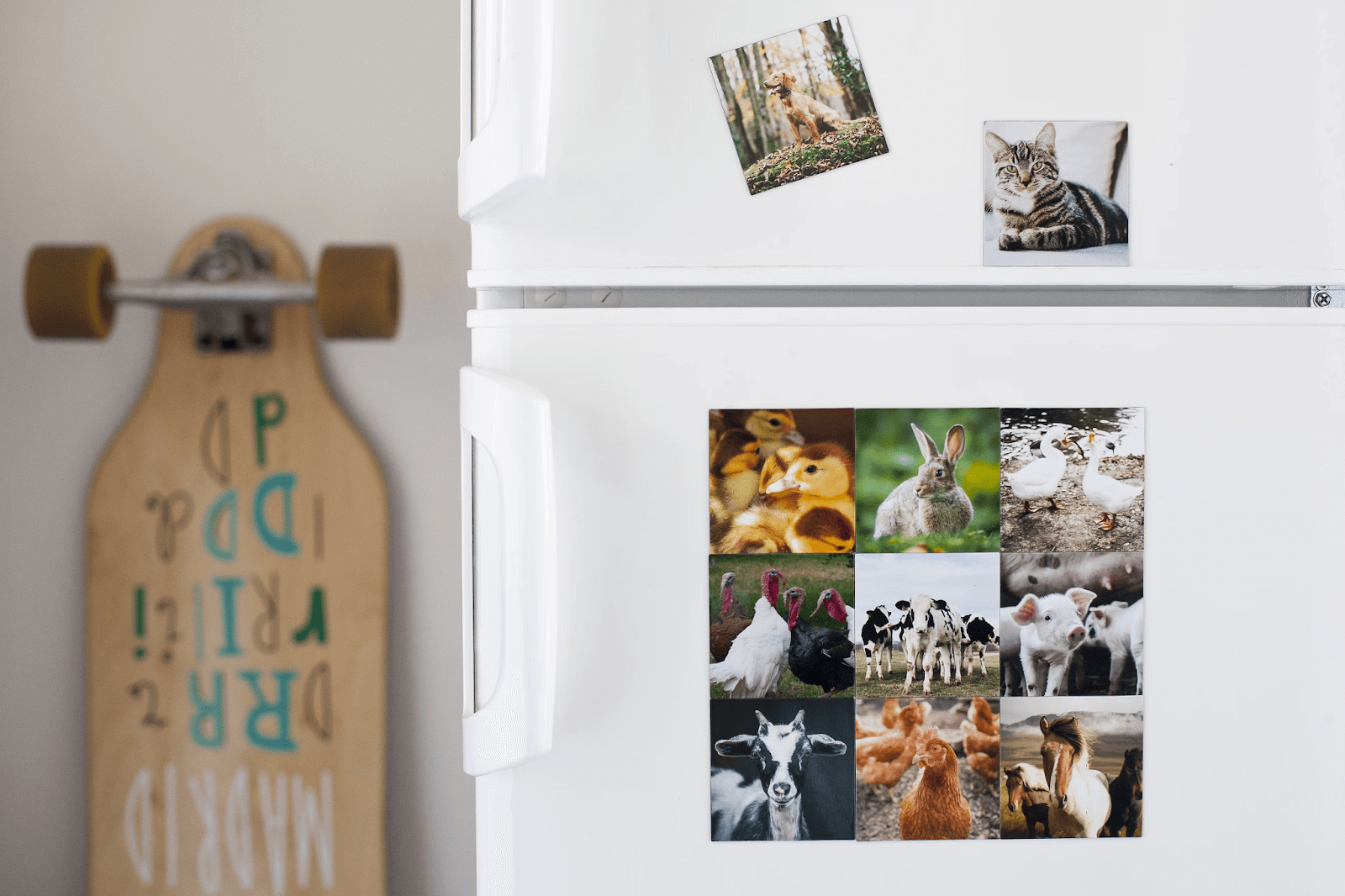 Image by Kristyna squared.one via Unsplash
The My first words book series in Punjabi and Tamil are huge favourites in the house. My child is constantly going back to it and bringing the book for me to read it.
Most of the time, we go through the book together and I will point out the words in English and then in Punjabi. Sometimes they will repeat the words after me, other times, they just listen.
I remember vividly an instance that happened recently, when my child brought over the Hindi-English colour book to me and proceeded to point to the blue and then said “bluuuuuuu” and then pointed to the colour red and said “laal” in Hindi and I was so excited. I remember thinking: they are starting to remember the colours!
In addition, I also read Bilingual books to my child in their many mother tongues. Reading books in children’s mother tongues helps provide a deeper understanding of their family's language history, culture, and traditions.
Some of their favourite books include “Chugaloo Bugaloo” and “P for Poppadoms”. As I am fluent in Punjabi, I also translate their favourite English storybooks in Punjabi. Sometimes they enjoy the reenactment of the book in Punjabi and repeat some words back to me. Other times, they just want to hear it in English.
Reflections
I continue to see great moments of language skills building in my child. The bright spark is that they are starting to use some of the vocabulary of their mother tongues in sentences like “I want khana (I want food)” or “Dosa garam (Dosa is hot) ” or “Haathi play (elephant is playing)” . Furthermore, their understanding of these languages has definitely expanded and this is seen in moments like me saying “jooti pa lo (put your shoes on)” and they will proceed to bring me their shoes.
The not so bright spark is that they are not always responding back in these languages or will only use English when communicating. Furthermore, they are still developing their fluency when speaking. This is of course because they are surrounded by mostly English and also because I myself speak in English during different moments of the day whether it is to friends, parents and even my husband and they hear this.
This has made me come to two realisations:
1) language acquisition of the mother tongue language where the dominant language is English doesn’t happen overnight.
2) There needs to be a tapestry of consistent speaking of the mother tongues woven in with playfulness and an acceptance of a bit of mixing, combined with gentle guidance, encouragement and patience.
For my child, I believe that the above realisations will enable them to enjoy the process, keep them engaged, build their confidence and I believe and hope to see a future where they are having confident conversations with their grandparents and other humans who speak Punjabi, Tamil or Hindi.
Practical Suggestions for Families
Books:
You can buy these and many other books on Amazon:
Chugaloo Bugaloo by Alankrita Amaya
Ek Naya Din by Anuja Mohla
My First Book of Hindi English Books
My First Book of Tamil English Books
P is for Poppadoms
You can also borrow multicultural books from libraries or go to a bookstore. There is a multicultural bookstore in Melbourne called “Lost in Books“.
Puzzles:
Alphabet Puzzle by The Heritage Supply (In Australia)
Hamaro Kids Puzzle
Media:
Watch Bluey and Peppa (Eg) in Heritage Languages
Watch Cartoons like “Chota Bheem” on Netflix, Prime etc
Listen to Nursery Rhymes on Youtube or other Media
Tools:
LingoDodo - Interactive Punjabi and Hindi Pad
Website:
https://www.globallanguage.com.au/
Neha J is an educator and an entrepreneur. She is a mum of two and is a writer at SAARI Collective. She loves all things Indian movies and enjoys creating workshops and learning experiences for parents and their littles. Follow her on LinkedIn and Instagram.