Breast milk is often likened to gold for its unparalleled nutritional value for a baby. In South Asian culture, breastfeeding is emphasised as a mother's duty, as the ultimate source of nourishment. However, the emotional and physical journey of a mother during this process is seldom discussed.
The Beginning of the Journey
It was a Tuesday afternoon; I was in the hospital birth suite with my newborn daughter. She was tiny and pink, her soft skin and adorable cry was melting my heart the moment I held her for the first time. It was love at first sight.
I was exhausted after a strenuous labour of 12 hours, but it all faded away when I saw my little human. My husband and I were cherishing the moment of joy, and it was just slowly starting to sink in that we were parents now.
Immediately, the nurse asked, "Do you prefer to breastfeed your baby, or would you like us to give her a bottle?"
Until that moment, I hadn't realised this was a choice—my choice.
The Unexpected Challenges
Like many South Asian mothers, I was determined to breastfeed, believing it was my duty and the best for my baby. But nobody had prepared me for the difficulties. Latching issues, sore nipples, and the constant worry about whether my baby was getting enough milk made the initial days extremely stressful. It is expected that the moment you have your baby, breastfeeding will be a natural progression. But that’s not always true.
The societal pressure to succeed at breastfeeding added another layer of anxiety. It constantly kept spinning in my head: Am I going to sail through this?
It is very different when you run a company and work in a company. Taking a break might not be something you would want. It was indeed a hard battle to pick a break over business. On one end my body needed rest and I wanted to cherish the beautiful moments with my second child; on the other end, I wanted to get back to work and look at my other baby (my business).
The most important question that pestered me was: Will I be able to manage my work along with giving the best to my child?
Babies need to breastfeed often, at least eight times through the 24 hours of a day. This makes sure there is plenty of milk and helps to stop mum's breasts from becoming too full and uncomfortable. Night waking is normal but very tiring.
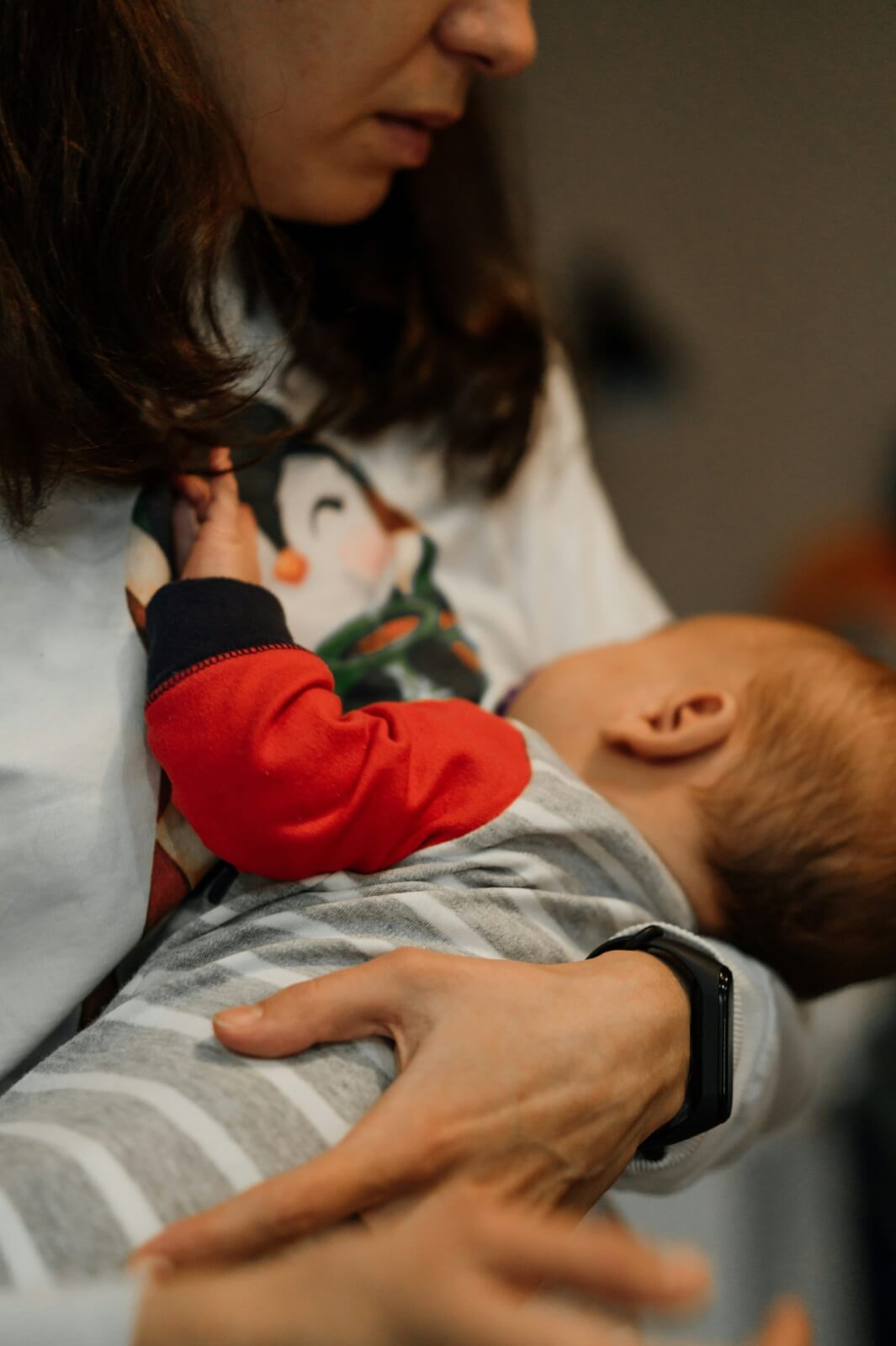
Image by Hanna Balan via Unsplash
Breastfeeding is quite tiring and is compared to doing a full-time job. So, when you are already working full-time and simultaneously breastfeeding your child, it's almost like doing two jobs!
Working mum and advocate for women in tech, Ann-Louise Strandberg writes about the unspoken challenges of breastfeeding while working full time, “1,800 hours of breastfeeding are nearly equivalent to a year of working a typical 40-hour work week.”
The initial days were incredibly challenging. Feeding on demand left me utterly exhausted, and sleep deprivation made it difficult to even glance at the flood of congratulatory messages on my phone. I longed to capture every moment with my beautiful newborn, but every time I looked at myself in a selfie I was about to take, I saw a tired face staring back at me.
I felt so different from the glowing, expectant mother I had been. It was as if I was experiencing a rebirth, transitioning into a new version of myself amidst the overwhelming fatigue and joy.
Seeking Support
When you have too much advice, you get confused.
That was my state of mind during the initial weeks after I delivered my first child. There were people giving advice on what to eat to get the milk supply to ramp up. For example, one of my friends asked me to eat a lot of garlic; then there was my grandma who said drink less water or it will make you feel bloated.
One thing I made sure of was to follow my instincts, and as it is rightly said, “Nothing is stronger than motherly instincts.” It helped me navigate through these challenges and eat what I was comfortable with and enjoyed eating.
Breastfeeding is not as easy as it looks. I found it difficult to feed in some positions (front hold position) and then some positions such as the lying-down position made it a piece of cake. Constantly sitting and feeding on demand was indeed so hard. It is very easy to get soreness around your nipples which makes it painful.
I remember in the initial days when my friends came over to meet the baby, I would mostly be inside a room feeding the baby. It sometimes made me feel low, that I was not able to enjoy the fun conversation happening in the living room.
Then I chose to express and store the milk. The worst part is nobody ever mentions that the more you express, the more difficult it gets. The pump was easy to use but the after-effects were hard. It made my breast get heavier and sometimes it was hard like a rock until I pumped and got the milk out. Storing the milk was like a new routine on its own - labeling it with the date and having a separate space in the fridge to store it.
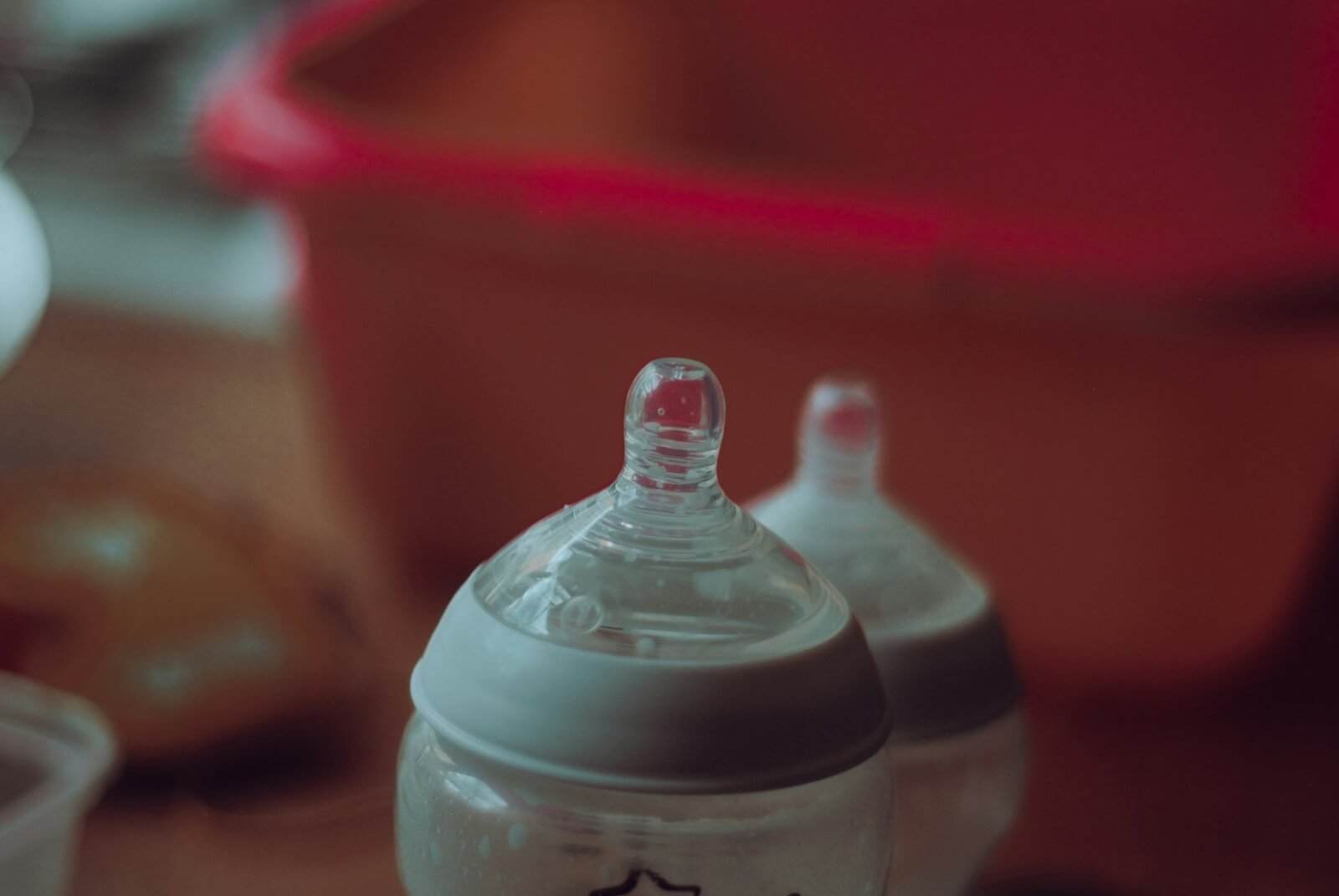
Image by Hanna Balan via Unsplash
It’s a real job filled with ups and downs. I started to look online about breastfeeding.
I soon realised I wasn't alone. Many mothers in our community face similar struggles but often remain silent due to cultural expectations. One of my friends was having difficulty with breastfeeding, her family said it's normal to have breastfeeding issues. The one statement she got was, “We all have breastfed our kids and never said anything. You are lazy to complain about everything.”
When she shared this with me, I realised how many people might be undergoing similar struggles. I started talking to my friends who were in the same boat and shared my stories along with references from the studies supporting the issue. Sharing my experiences with other mothers provided a sense of solidarity and support.
Regular visits with the MCH (Maternal Child Health) nurse gave me a lot of valuable information, and I looked forward to those sessions. The best part was the MCH’s 24-hour helpline, where I could reach out for any questions whenever I had a doubt. I was experiencing pain and discomfort due to excess supply, so I was referred to a lactation consultant.
Lactation consultants and support groups became invaluable resources, offering practical advice and emotional encouragement. I never wanted to waste the extra pumped milk, so I had a chance to donate it to someone who needed it. It was a proud feeling, not just nourishing my child but being able to feed another little human.
One of the best forms of support I received was being introduced to a mothers’ group. This group consisted of women living nearby, each with babies around the same age as mine. I loved meeting these mothers, hearing their stories, learning from them, and enjoying our fun meetups. The best part is that I found some great friends in this group. It’s been four years now, and our kids have become friends too.
The Journey Continues with Baby Number Two
Another big battle was weaning off my first child when I got pregnant with the second one, who arrived when my first one was three years old. It took real effort and time to slowly talk her through the process. The journey with my second child was very different, though the breastfeeding struggles remained quite similar. Excessive supply was still a concern.
This time, I had more responsibilities and less time to focus on breastfeeding. So, I made up my mind to start formula for my second child when he was three months old. This decision helped me take care of my health and get back to work early. I was back in business when my second one turned three months old.
Balancing Expectations and Reality
Over time, I learned to celebrate small victories and accept setbacks without judgment. My bond with my baby grew stronger, and I realised that being a good mother wasn't solely defined by breastfeeding.
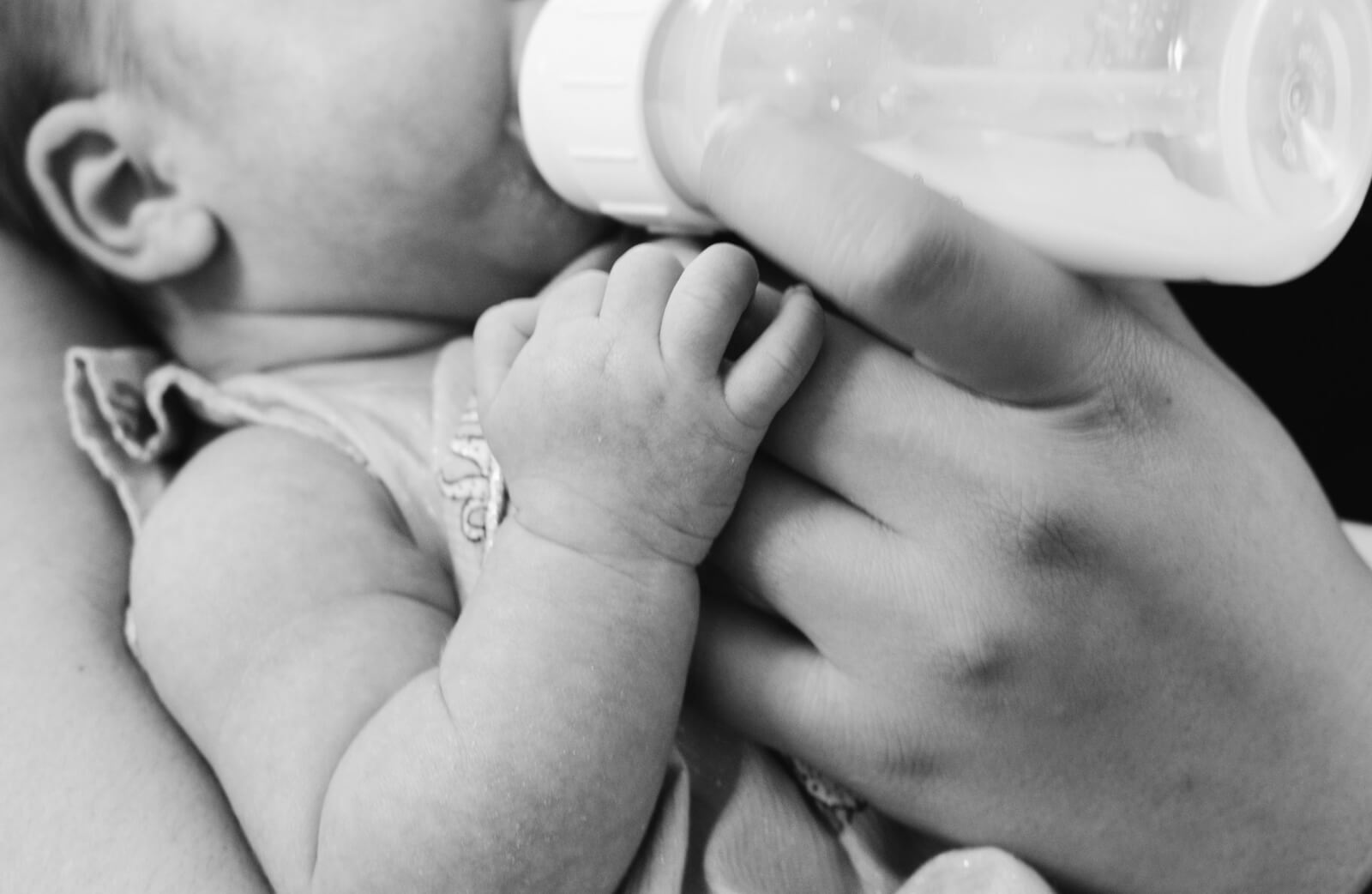
Image by Kelly Sikkema via Unsplash
Balancing traditional expectations with the realities of breastfeeding was demanding. A decision not to breastfeed draws criticism and frowns. South Asians, in general, never really embrace opting for formula over breast milk. But for some, this may not be a choice.
I felt guilty about considering formula as a supplement but understanding that my well-being was crucial for my baby's health helped alleviate that guilt. Each mother's journey is unique, and what works for one may not work for another.
Embracing My Journey
The experience with my second child reinforced the importance of flexibility and self-compassion. This time I was more clear about what to expect and this reduced the stress of unknown elements. But saying that, things don’t always go as planned. I was happy to introduce formula along with breastfeeding. This helped me mitigate the struggles that I had with breastfeeding my first child. I was able to get back to work and at the same time focus on my child.
Breastfeeding is a deeply personal journey filled with highs and lows. For South Asian mothers, acknowledging and discussing these challenges is essential to create a supportive community.
The traditional and emotional attachment to practices like breastfeeding are deeply rooted in South Asian culture, and indeed in many cultures worldwide. Some traditions are like collective wisdom passed down through generations from great grand mothers and grand mothers, down to us.
One of the things that I remember hearing from my grandmother who had 14 children, was that she never breastfed her kids beyond two months. It was purely her choice. She had to take care of her kids and didn’t actually have the time and energy to breastfeed. The best part was she used to acknowledge the efforts of breastfeeding and always supported my mother in this journey. My mother spoke about her challenges with her mother-in-law and she guided her in the right direction without judging her.

Image by Felipe Salgado via Unsplash
It helped me to make my choice of breastfeeding my kids and not just do it because it’s bound by tradition. Also, it was easy for me to reach out to my loved ones when I needed help. There were nights when I had to feed my child every hour and the next morning I was totally drained. Luckily, my husband took the morning shift of taking care of my child so that I could catch up on my sleep. Sometimes small gestures are all you need from your loved ones which make the process easy.
So, as societal norms evolve and awareness of individual choice and autonomy grows, there is a shift happening towards recognising breastfeeding as a mother's choice rather than solely a duty prescribed by tradition. There can be several reasons why a mother chooses not to breastfeed and I believe we should respect them.
Srividhya Venkatesan is a Mompreneur, Co-founder & CEO, and a parenting writer with SAARI Collective. She has co-authored three children’s books and is passionate about the arts, books and nature. She also paints in her spare time. You can follow her on LinkedIn.